

市場洞察
SpaceX Stock Falls 35% After Nasdaq-100 Debut
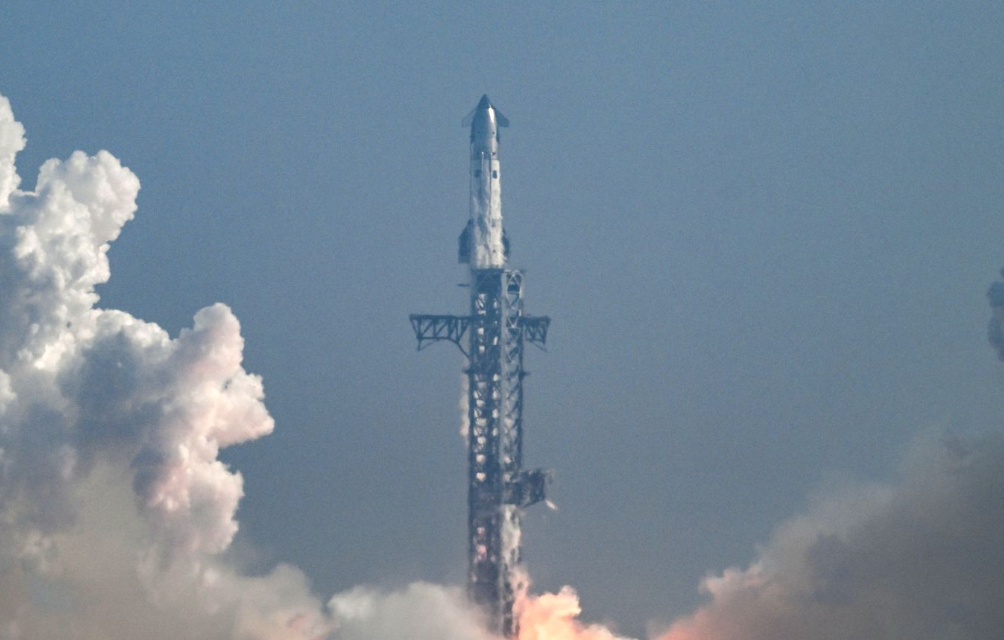 SpaceX Stock Falls 35% After Nasdaq-100 Entry
The recent decline in SpaceX stock has quickly become one of the most discussed developments across US equity markets. Just one day after joining the Nasdaq-100 Index, SpaceX stock retreated roughly 35% from its recent high, surprising investors who had expected the company's inclusion to provide additional support for its share price.
The move has renewed debate over whether enthusiasm surrounding artificial intelligence, space technology, and high-growth companies has pushed valuations too far ahead of fundamentals. While the company remains one of the market's most closely watched innovators, the sharp pullback suggests investors are becoming increasingly selective when pricing future growth.
Interestingly, the decline occurred despite no major deterioration in SpaceX's long-term business outlook. Instead, the market reaction appears to reflect changing investor expectations after an extraordinary rally.
Why SpaceX Stock Declined
For months, SpaceX stock had benefited from strong momentum driven by optimism surrounding commercial space launches, satellite services, government contracts, and expanding artificial intelligence infrastructure.
Its recent addition to the Nasdaq-100 represented another milestone. Companies entering major benchmark indices often attract additional buying from index funds and exchange-traded funds that replicate the index.
However, market history shows that inclusion alone does not guarantee continued gains.
Following the announcement, investors began locking in profits after an extended rally. Higher valuations naturally invite greater scrutiny, especially when expectations become increasingly difficult to exceed. As buying momentum slowed, selling pressure accelerated, leading to one of the sharpest declines seen among recent Nasdaq-100 additions.
Market participants also pointed to the company's premium valuation. Even after the recent correction, SpaceX stock continues to trade at levels that assume years of strong revenue growth and expanding profitability.
Valuation Becomes the Central Question
Valuation has become the primary issue surrounding SpaceX stock.
High-growth companies often command premium multiples because investors expect significant earnings expansion in the future. That approach works well while confidence remains high. Yet when expectations begin to moderate, even slightly, expensive stocks tend to experience larger price swings.
According to Motley Fool, the recent decline does not necessarily indicate weakening operations. Rather, it reflects a reassessment of how much investors are willing to pay for future growth.
Let that sink in. A company can continue executing successfully while its share price declines if valuation expectations adjust faster than business performance.
This dynamic has appeared repeatedly throughout previous technology cycles.
Nasdaq-100 Inclusion Does Not Eliminate Volatility
Many investors associate Nasdaq-100 membership with stability and long-term institutional demand. While inclusion generally increases visibility and liquidity, it does not remove market risk.
Index funds tracking the Nasdaq-100 automatically purchase newly added constituents. At the same time, active fund managers remain free to reduce exposure whenever valuations appear stretched or market conditions change.
That balance often creates periods of elevated volatility immediately after index changes.
For SpaceX stock, the timing coincided with broader caution across technology shares. Investors have recently become more disciplined in distinguishing companies with sustainable earnings growth from those whose valuations depend heavily on future projections.
Broader Market Sentiment Is Shifting
The recent performance of SpaceX stock also reflects a broader shift in investor behaviour.
Throughout the past year, artificial intelligence and advanced technology companies have dominated market leadership. Capital flowed aggressively into businesses viewed as long-term winners of the AI revolution.
Recently, however, investors have shown greater interest in balancing portfolios rather than concentrating exclusively on high-growth technology names.
Rising geopolitical uncertainty, evolving monetary policy expectations, and periodic profit-taking have encouraged a more cautious approach. As a result, companies carrying premium valuations have become increasingly sensitive to even modest changes in sentiment.
This changing environment does not necessarily signal the end of technology leadership. Instead, investors appear to be placing greater emphasis on valuation discipline.
What Investors Are Watching Next
Several developments could influence the next move in SpaceX stock. According to Reuters, market watchers are focusing on the following areas:
- Quarterly earnings: Investors will continue monitoring financial performance for evidence that revenue growth remains consistent with current market expectations.
- Operational milestones: Commercial launch activity, Starlink expansion, government contracts, and progress across new aerospace initiatives will remain key drivers of long-term valuation.
- Sector rotation: Broader conditions within the technology sector cannot be ignored, as shifting appetite for growth stocks could benefit or pressure the company alongside other innovation-focused businesses.
Conversely, if markets continue rotating toward more defensive sectors, premium growth stocks may remain vulnerable to additional volatility.
Analysts therefore believe future performance will depend less on headline excitement and more on measurable execution.
A Reminder About Market Expectations
The recent decline in SpaceX stock serves as an important reminder that strong companies and strong investments are not always the same at every price.
Successful businesses can experience substantial share price corrections without any fundamental deterioration. Likewise, major milestones such as joining the Nasdaq-100 may already be reflected in market prices before they officially occur.
The latest movement in SpaceX stock illustrates this principle clearly. Although the company continues to occupy a leading position within the aerospace and technology industries, the market is now placing greater emphasis on valuation, earnings visibility, and sustainable long-term growth rather than momentum alone.
As financial markets continue evolving through 2026, investors are likely to remain focused on balancing innovation opportunities with disciplined risk assessment. According to Bloomberg, that approach may ultimately determine whether recent weakness in SpaceX stock proves to be a temporary correction or part of a broader repricing across high-growth technology stocks.
DISCLAIMER: Derivative products carry high risk and may result in the loss of your entire invested capital. Before trading, ensure you fully understand the legal framework, product characteristics, and your broker’s trading rules. Always trade responsibly and with caution.
RISK WARNING: Margin trading with leverage is not suitable for all investors due to its high risk. THERE ARE NO GUARANTEED RETURNS in trading. Beware of any claims promising assured profits. Only use capital you can afford to lose. Before engaging in any transaction, ensure you understand the risks and assess both your experience and risk tolerance.
