

市場洞察
UK Basic Bank Accounts Under Scrutiny as FCA Pressures Major Banks
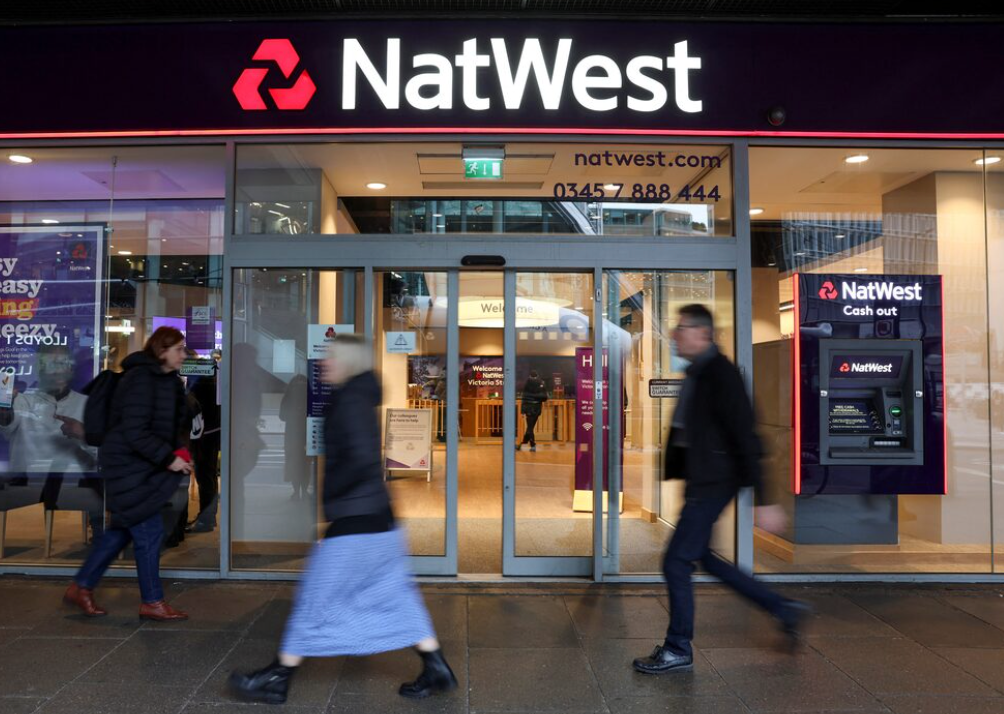
Britain's banking industry is facing fresh regulatory scrutiny after the Financial Conduct Authority (FCA) criticised several major lenders for failing to provide appropriate access to UK basic bank accounts for vulnerable customers.
According to Yahoo Finance, the regulator found that some banks directed homeless individuals and people experiencing financial hardship towards unsuitable online applications instead of offering UK basic bank accounts, which are specifically designed to provide essential banking services for customers who may not qualify for traditional current accounts.
Following the review, nine major UK banks and building societies have agreed to improve how they offer UK basic bank accounts, simplify the application process, and provide greater support for customers with complex personal circumstances.
The findings place financial inclusion back at the centre of the UK's retail banking agenda while reinforcing the growing regulatory focus on customer outcomes.
FCA Calls for Better Access to UK Basic Bank Accounts
The FCA's review found that access to UK basic bank accounts remains inconsistent across the banking sector despite these accounts being available at all major high street banks.
Unlike standard current accounts, UK basic bank accounts are intended for individuals with poor credit histories, those who have been declared bankrupt, customers on debt management plans, or people facing other barriers to mainstream banking.
More than four million people across the UK currently rely on UK basic bank accounts, underlining their importance within the country's financial system.
"Bank accounts are important for financial inclusion, and this is about making sure the very people who could benefit from basic bank accounts are not missing out," said FCA Director of Retail Banking Emad Aladhal.
Mystery Shopping Reveals Service Gaps
The regulator based its findings on a mystery shopping exercise involving 298 interactions conducted through bank branches and telephone enquiries.
The results revealed notable inconsistencies. Only 28% of customer experiences were rated as good or very good, while 38% were considered fair. Meanwhile, 20% were rated poor and 14% were classified as very poor.
Interestingly, some of the weakest experiences involved customers without a permanent address. According to the FCA, staff sometimes failed to offer UK basic bank accounts even when applicants appeared eligible. Others encouraged vulnerable customers to complete online applications for products that were unsuitable for their circumstances.
The findings suggest the issue is not the availability of UK basic bank accounts, but whether they are consistently recommended to the customers who need them most.
Major UK Banks Agree to Improve Access
Following discussions with the regulator, all nine providers of UK basic bank accounts have agreed to strengthen their application processes and improve customer support.
The institutions involved include:
- Barclays
- The Co-operative Bank
- HSBC
- Lloyds Banking Group
- Nationwide Building Society
- NatWest Group
- Santander UK
- TSB
- Virgin Money
The participating banks have committed to:
- Offering the correct account at the first point of contact.
- Making it easier for customers without standard identification to open UK basic bank accounts.
- Improving access for customers with no fixed address.
- Providing alternatives to online-only applications for vulnerable individuals.
Peter Tyler, Director of Personal Banking at UK Finance, acknowledged that more can be done to improve customer outcomes and highlighted the Breaking the Cycle initiative, developed with housing charity Shelter to improve banking access for homeless individuals.
Financial Inclusion Remains a Regulatory Priority
The FCA's latest action demonstrates that UK basic bank accounts have become more than simply a retail banking product.
Access to banking services affects employment, housing, government benefit payments, and participation in the wider economy. Without a bank account, many everyday financial activities become significantly more difficult.
Let that sink in. Access to UK basic bank accounts often determines whether financially vulnerable individuals can participate fully in modern economic life.
For policymakers, ensuring fair access to UK basic bank accounts supports broader efforts to reduce financial exclusion while strengthening economic participation across the UK.
What This Means for UK Banks and Investors
The latest findings may not materially affect bank earnings in the short term, but they reinforce an important trend within financial regulation.
Investors are increasingly monitoring governance, consumer protection, and operational conduct alongside traditional financial metrics.
Key areas likely to remain in focus include:
- Future FCA supervisory reviews.
- Compliance and staff training costs.
- Customer satisfaction.
- Financial inclusion initiatives.
- Retail banking reforms.
For major listed lenders including Lloyds Banking Group, Barclays, HSBC, and NatWest, maintaining public trust has become an increasingly important component of long-term business performance. Enhanced regulatory oversight may encourage further investment in customer support, compliance systems, and frontline staff training.
Consumer Confidence Stays in Focus
The FCA's review of UK basic bank accounts reflects growing expectations that banks should provide fair and accessible services to every customer, particularly those facing financial vulnerability.
Rather than introducing new regulations, the regulator has focused on improving how existing products are presented and ensuring eligible customers receive the right banking solution from the outset.
For financial markets, the latest developments demonstrate that regulatory attention increasingly extends beyond profitability and capital strength. Consumer outcomes, transparency, and responsible banking practices continue to shape the long-term resilience of the UK's banking sector.
As the agreed improvements are introduced, investors and consumer groups alike will be monitoring whether access to UK basic bank accounts becomes more consistent across Britain's largest financial institutions.
DISCLAIMER: Derivative products carry high risk and may result in the loss of your entire invested capital. Before trading, ensure you fully understand the legal framework, product characteristics, and your broker’s trading rules. Always trade responsibly and with caution.
RISK WARNING: Margin trading with leverage is not suitable for all investors due to its high risk. THERE ARE NO GUARANTEED RETURNS in trading. Beware of any claims promising assured profits. Only use capital you can afford to lose. Before engaging in any transaction, ensure you understand the risks and assess both your experience and risk tolerance.
