

市場洞察
Gold Price Extends Gains as Weak US Jobs Data and Lower Oil Prices Support Safe-Haven Demand
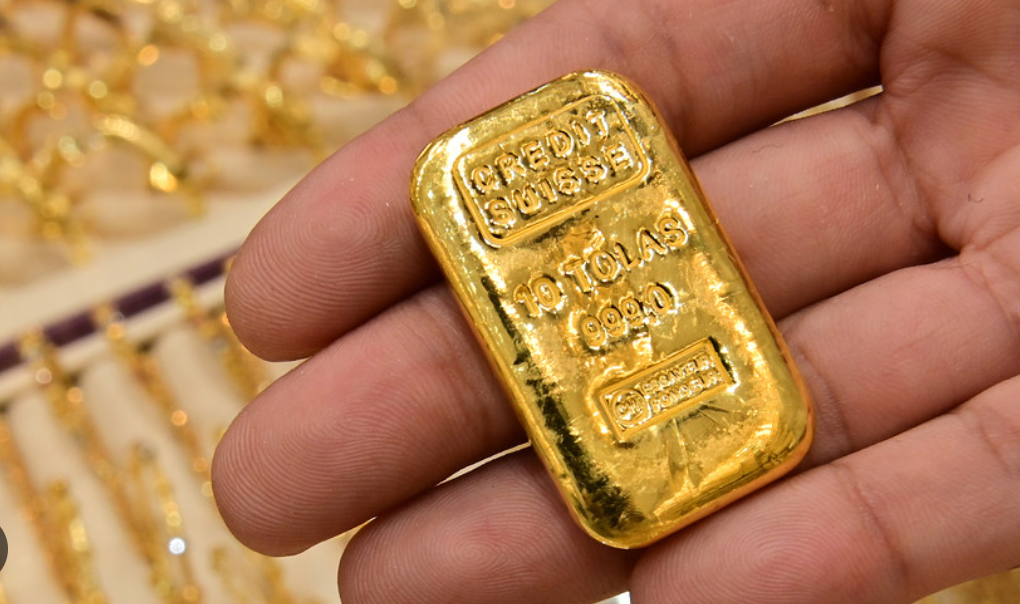 Gold Price Rises as Weak Jobs Data Fuels Fed Rate-Cut Bets
The gold price continued to strengthen on Thursday after a fresh round of weaker-than-expected US employment data reinforced expectations that the Federal Reserve could move closer to cutting interest rates. At the same time, declining oil prices eased inflation concerns, providing additional support for the precious metal.
Spot gold rose during Asian trading after the latest ADP National Employment Report showed private-sector hiring slowed sharply in June. The data added to growing evidence that the US labour market may be losing momentum, prompting investors to reassess the outlook for monetary policy. According to Reuters, spot gold climbed toward the US$3,350 per ounce level, while US gold futures also advanced. Market participants are now closely watching the official US nonfarm payrolls report for further confirmation of the employment trend.
Softer economic indicators are once again improving sentiment toward gold, even as investors wait for further confirmation from official data.
Weak Employment Data Strengthens Gold's Appeal
The biggest catalyst behind the latest gold price rally came from the US labour market. The ADP report showed that private employers unexpectedly cut jobs in June, marking the first monthly decline in more than two years. Economists had anticipated moderate job growth, making the weaker reading a surprise for financial markets.
Employment figures carry significant weight because they influence expectations for Federal Reserve policy. A cooling labour market generally reduces inflationary pressure, giving policymakers greater flexibility to lower interest rates if economic conditions continue to soften.
For gold, this matters. Gold does not generate interest or dividends. When borrowing costs decline, the opportunity cost of holding gold also falls, making the metal relatively more attractive compared with interest-bearing assets such as government bonds.
A single employment report rarely changes the entire policy outlook. However, a series of weaker economic releases can gradually reshape market expectations, and that appears to be unfolding once again.
Lower Oil Prices Ease Inflation Concerns
Another important factor supporting the gold price is the recent decline in crude oil prices. Oil prices have retreated after concerns over supply disruptions eased, reducing fears of another inflation spike.
Lower energy costs generally help moderate consumer prices over time, allowing central banks to adopt a less restrictive stance if broader inflation continues to cool. Throughout the past year, persistent inflation has delayed expectations for interest rate cuts.
- Falling oil prices reduce headline inflation pressure
- Lower inflation supports the case for future rate cuts
- Reduced borrowing costs increase the appeal of non-yielding assets like gold
As oil prices move lower, investors increasingly believe inflation could continue easing during the second half of 2026, a shift that has encouraged renewed buying in precious metals.
Investors Focus on the Federal Reserve
The gold price remains closely tied to expectations surrounding Federal Reserve policy. Following the latest employment figures, futures markets increased the probability that policymakers could begin lowering interest rates before the end of the year if economic conditions continue to weaken.
Several Federal Reserve officials have maintained that future decisions will remain data dependent. Inflation, employment and consumer spending will continue to guide policy decisions over the coming months.
US Dollar Movement Also Matters
The gold price is also influenced by movements in the US dollar. Gold is priced globally in US dollars, meaning a weaker dollar often makes bullion more affordable for international buyers.
While the dollar remained relatively stable following the ADP report, expectations of future interest rate cuts have limited its upside. Currency traders are carefully balancing weaker economic data against the broader resilience of the US economy.
Should the official nonfarm payrolls report confirm further weakness, pressure on the dollar could increase — a scenario that may provide another source of support for gold prices in the near term. However, stronger-than-expected payroll data could produce the opposite effect, reminding investors that volatility remains elevated.
What Traders Are Watching Next
Attention now turns to the official US employment report, which could become the next major catalyst for the gold price. Markets will be watching several figures closely:
- Headline job creation numbers
- The national unemployment rate
- Wage growth data
Together, these indicators provide a more comprehensive picture of labour market conditions than the ADP report alone. Investors are also monitoring Treasury yields, inflation expectations and comments from Federal Reserve officials.
If economic data continue to soften while inflation remains under control, confidence in future rate cuts could strengthen further — an environment that would generally remain supportive for gold. On the other hand, any upside surprise in employment or inflation could quickly alter expectations and trigger renewed volatility across financial markets.
The Bigger Picture for Gold
The latest advance in the gold price reflects a combination of economic and market forces rather than a single event. Softer employment data, easing oil prices and growing confidence that monetary policy may become less restrictive have combined to improve sentiment toward the precious metal.
Gold continues to serve its traditional role as both a defensive asset and a hedge against economic uncertainty. While short-term price movements will remain heavily influenced by incoming US data, investors are increasingly focused on whether the Federal Reserve is approaching a turning point in its interest rate cycle.
The coming days could provide greater clarity. Until then, gold is likely to remain firmly on investors' radar as one of the market's most closely watched safe-haven assets.
DISCLAIMER: Derivative products carry high risk and may result in the loss of your entire invested capital. Before trading, ensure you fully understand the legal framework, product characteristics, and your broker’s trading rules. Always trade responsibly and with caution.
RISK WARNING: Margin trading with leverage is not suitable for all investors due to its high risk. THERE ARE NO GUARANTEED RETURNS in trading. Beware of any claims promising assured profits. Only use capital you can afford to lose. Before engaging in any transaction, ensure you understand the risks and assess both your experience and risk tolerance.
