

Phân Tích Thị Trường
Oil Prices Head for Sharp Weekly Gains as US-Iran Tensions Raise Supply Risks
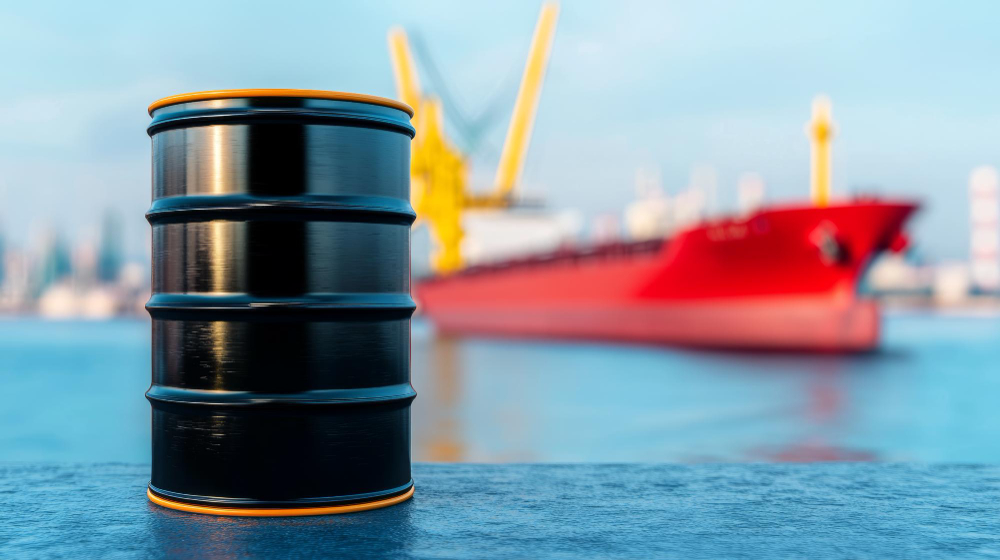
Oil Prices Head for Sharp Weekly Gains as US-Iran Tensions Raise Supply Risks
Oil prices remained elevated on September 4 as escalating tensions between the United States and Iran kept investors focused on the risk of potential supply disruptions across the Middle East. Brent crude traded near $96 per barrel, while US West Texas Intermediate remained above $91, putting both benchmarks on track for their strongest weekly gains since mid-July.
The latest rally highlights how quickly geopolitical developments can reshape commodity markets. Although large-scale disruptions to global oil supply have not yet materialised, traders are increasingly pricing in the possibility that a prolonged conflict could affect energy infrastructure, tanker movements, or shipping routes connected to the Strait of Hormuz.
US-Iran Tensions Keep Supply Risks in Focus
The recent escalation in tensions has increased uncertainty surrounding energy flows through the region. Market participants are particularly focused on the possibility of further disruptions involving commercial vessels and energy infrastructure.
The Strait of Hormuz remains one of the most important areas for investors to monitor. Any prolonged restrictions, delays, or increased risks to commercial shipping could tighten supply conditions and raise transportation costs throughout the global energy system.
Brent and WTI Record Strong Weekly Gains
The latest market movements demonstrate the scale of investor concern. Brent crude traded near $96 per barrel, while WTI remained above $91, with both benchmarks heading for strong weekly gains.
The rally comes after several weeks of increased volatility across energy markets, as traders attempted to balance geopolitical risks against concerns about global economic growth and future demand.
At the moment, the supply-risk narrative appears to be dominating.
The Strait of Hormuz Remains a Critical Market Risk
For investors, developments surrounding the Strait of Hormuz could become one of the most important short-term drivers for oil prices.
Any escalation affecting commercial shipping could influence:
- Global crude supply flows
- Tanker availability and transportation costs
- Shipping insurance premiums
- Energy-importing economies
- Inflation expectations
- Central bank policy expectations
The consequences could extend well beyond the energy sector. Higher oil prices can gradually feed into transportation, manufacturing, logistics and consumer costs.
Iraq Exports Provide Some Supply Support
While geopolitical risks have pushed prices higher, supply developments elsewhere have provided some counterbalance. Increased exports from Iraq have helped offset part of the broader supply concerns.
This illustrates an important point for oil investors: geopolitical headlines are only one part of the pricing equation.
Oil markets are constantly balancing:
- Supply disruptions and geopolitical risks
- Production increases from major exporters
- Global economic growth expectations
- Changes in energy demand
- OPEC+ production policy
- Inventory levels and transportation conditions
Higher Oil Prices Could Renew Inflation Concerns
One of the broader implications of the current rally is the potential return of inflation concerns.
Higher crude prices can increase fuel costs for transportation companies, airlines, manufacturers and logistics providers. Businesses then face a choice: absorb those higher costs or pass them on to consumers.
If companies absorb higher costs, profit margins may come under pressure. If costs are passed through to consumers, inflation could remain elevated for longer.
This relationship is particularly important while global investors continue reassessing the future direction of interest rates and monetary policy.
Energy Stocks May Benefit, but Broader Markets Face Pressure
Higher oil prices do not affect all sectors equally. Energy producers can benefit from stronger crude prices, potentially supporting revenue expectations for major oil companies and energy-related businesses.
However, higher energy costs can create pressure on airlines, transportation companies, logistics providers, manufacturing businesses and consumer-facing companies with high distribution costs.
Broader equity markets may also become more cautious if investors believe higher energy prices could slow economic growth or delay future interest-rate easing.
What Investors Are Watching Next
The next direction for oil prices will likely depend on several developments.
- Whether US-Iran tensions escalate further or move toward de-escalation
- Shipping conditions and commercial vessel activity around the Strait of Hormuz
- Supply responses from major oil-producing countries
- Broader economic data and expectations for global energy demand
If tensions ease and supply remains uninterrupted, part of the recent oil rally could moderate. However, further escalation or disruption to critical shipping routes could keep energy prices elevated and increase volatility across commodities, currencies and global equity markets.
A Market Driven by Geopolitical Uncertainty
Oil prices are currently being shaped by a powerful combination of geopolitical risk and supply uncertainty. The strong weekly gains in Brent and WTI demonstrate that investors are increasingly willing to price a higher risk premium into crude markets as tensions between the United States and Iran remain unresolved.
For now, supply flows have not experienced a major widespread disruption. However, markets are looking ahead rather than focusing only on current conditions.
That is why developments involving the Strait of Hormuz, commercial shipping and regional energy infrastructure could remain major drivers in the days ahead.
DISCLAIMER: Derivative products carry high risk and may result in the loss of your entire invested capital. Before trading, ensure you fully understand the legal framework, product characteristics, and your broker’s trading rules. Always trade responsibly and with caution.
RISK WARNING: Margin trading with leverage is not suitable for all investors due to its high risk. THERE ARE NO GUARANTEED RETURNS in trading. Beware of any claims promising assured profits. Only use capital you can afford to lose. Before engaging in any transaction, ensure you understand the risks and assess both your experience and risk tolerance.
