

Phân Tích Thị Trường
Electric Car Prices Fall in Germany Despite Rising New Vehicle Costs
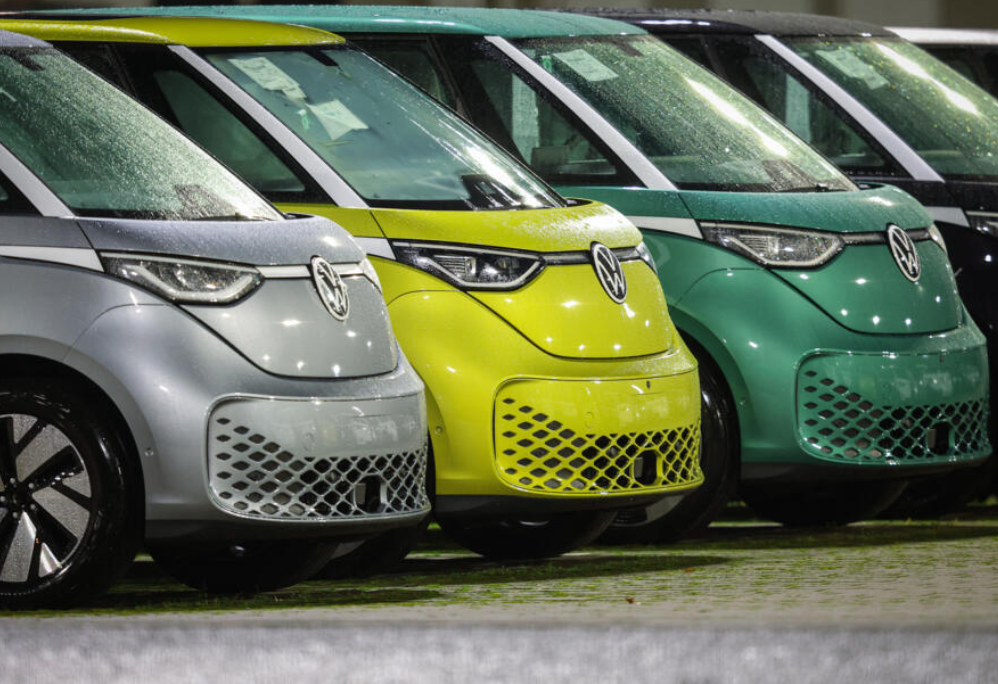 Electric cars became cheaper in Germany despite rising average prices
The electric car prices Germany story took an unexpected turn on 20 July 2026 after new industry data showed battery-powered vehicles became more affordable even as the average price of new cars continued to increase.
According to Germany's Federal Statistical Office, the average price of electric cars fell by 1.5% in the first half of 2026 compared with a year earlier. During the same period, the overall price of new passenger vehicles increased by 0.8%, highlighting a growing gap between electric vehicles and the broader automotive market.
The figures suggest that Germany's electric vehicle market is entering a new phase. Instead of becoming more expensive alongside inflation and higher manufacturing costs, many electric models are becoming increasingly competitive on price. For consumers, that could make the decision to switch to an electric vehicle easier than it was only a few years ago.
Electric Car Prices Germany Continue to Move Lower
The latest data reflects an important shift in the country's automotive industry.
For several years, electric vehicles generally carried a noticeable price premium over comparable petrol or diesel models. Battery costs, limited production volumes, and supply chain disruptions all contributed to higher retail prices.
Today, the picture looks different.
The decline in electric car prices Germany appears to be driven by stronger competition among manufacturers, increased production capacity, and a broader selection of affordable electric models entering the market. As more automakers compete for customers, pricing has become a major tool to stimulate demand.
Interestingly, this price adjustment is occurring while many conventional vehicles continue to become more expensive because of higher labour costs, stricter environmental regulations, and rising component prices. The contrast highlights how rapidly the electric vehicle market is evolving.
Competition Is Intensifying Across Europe
Germany remains Europe's largest automotive market, making pricing trends particularly significant for the global industry.
Major manufacturers competing aggressively for market share include:
- Volkswagen
- BMW
- Mercedes-Benz
- Tesla
- Renault
- Hyundai
- BYD and several Chinese brands
New model launches have accelerated over the past year, giving consumers more options across different price categories. Greater competition usually benefits buyers.
Manufacturers are increasingly offering discounts, promotional financing packages, and more competitively priced entry-level models. While government purchase incentives have been reduced in some markets, competitive pricing has partially filled that gap.
As a result, the electric car prices Germany trend could influence pricing strategies across other European countries. According to Reuters, several analysts believe Germany often serves as an early indicator for broader developments within the European automotive sector.
Lower EV Prices Could Support Demand
Affordability remains one of the biggest barriers to electric vehicle adoption.
Although charging infrastructure continues to improve, purchase price has traditionally been one of the main concerns for potential buyers. Lower prices may therefore encourage more consumers to consider switching from combustion engine vehicles.
A price decline of just over one percent may appear modest, yet when combined with lower operating costs and improving battery technology, the overall ownership equation becomes much more attractive.
Demand also tends to strengthen when buyers believe pricing has become more reasonable. If manufacturers continue adjusting prices while introducing longer driving ranges and improved charging speeds, adoption could accelerate further.
The electric car prices Germany trend may therefore extend beyond a simple pricing story. It could signal another step towards broader electric vehicle adoption across Europe.
Challenges Still Remain
Despite falling prices, several challenges continue to shape the market.
- Charging infrastructure remains uneven across different regions, particularly outside major cities.
- Battery material costs remain vulnerable to global commodity price movements.
- Geopolitical tensions can still disrupt supply chains.
Consumer confidence also plays an important role. Higher interest rates across Europe have increased financing costs for vehicle purchases, making affordability a broader issue beyond sticker prices alone.
Some buyers also remain cautious about battery longevity, resale values, and charging availability during long-distance travel. These concerns continue influencing purchasing decisions, even as electric car prices Germany become more competitive.
Meanwhile, manufacturers face pressure to balance lower retail prices with profitability. Price reductions may boost sales volumes, but they can also squeeze already thin operating margins, particularly in a highly competitive market.
What Investors Are Watching
For investors, the latest pricing data offers several important signals.
Lower electric vehicle prices could support stronger sales volumes, especially if consumer demand improves during the second half of 2026. Higher unit sales may offset narrower profit margins for manufacturers capable of scaling production efficiently.
Automotive suppliers may also benefit if production volumes continue rising. Battery manufacturers, charging infrastructure providers, semiconductor companies, and raw material suppliers all remain closely connected to the growth of electric mobility.
A Market Entering Its Next Stage
The latest electric car prices Germany data reflects a market that is gradually becoming more mature.
Electric vehicles are no longer positioned solely as premium products. Instead, pricing is becoming increasingly competitive as manufacturers fight for customers in a rapidly expanding market.
Whether this trend continues will depend on production costs, battery technology, consumer demand, and competitive dynamics throughout Europe. Even so, the direction is becoming clearer. Lower prices are making electric vehicles more accessible, while traditional vehicle prices continue moving higher.
For both consumers and investors, Germany's latest pricing data offers another indication that the European automotive industry is entering a new chapter where affordability may become just as important as innovation.
DISCLAIMER: Derivative products carry high risk and may result in the loss of your entire invested capital. Before trading, ensure you fully understand the legal framework, product characteristics, and your broker’s trading rules. Always trade responsibly and with caution.
RISK WARNING: Margin trading with leverage is not suitable for all investors due to its high risk. THERE ARE NO GUARANTEED RETURNS in trading. Beware of any claims promising assured profits. Only use capital you can afford to lose. Before engaging in any transaction, ensure you understand the risks and assess both your experience and risk tolerance.
