

Phân Tích Thị Trường
US Imposes 25% Tariffs on Brazil as Trade Tensions Escalate
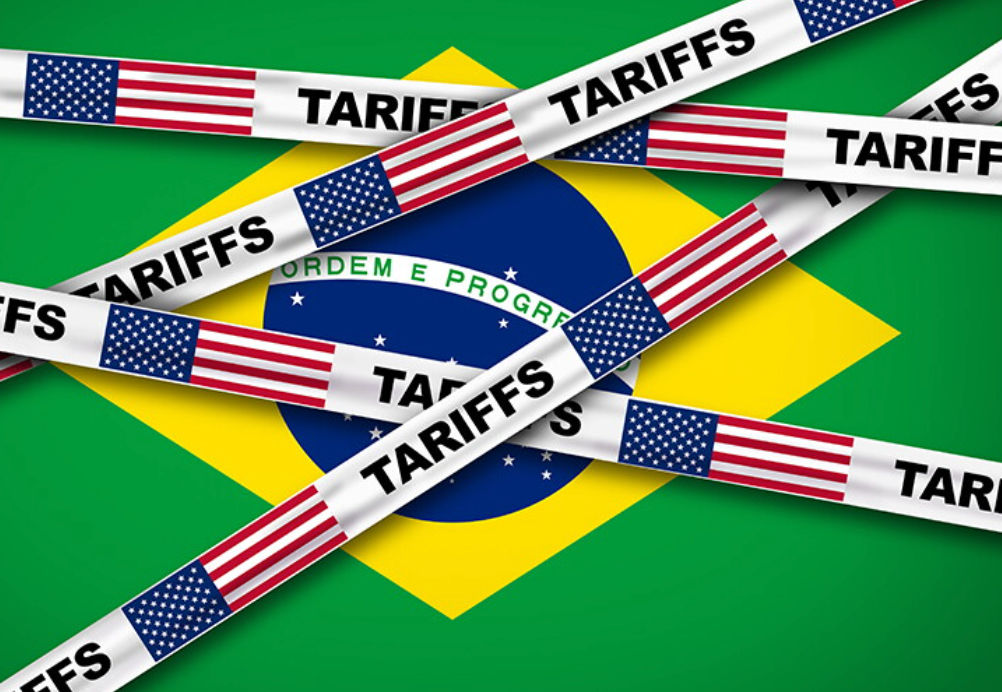 US Tariffs on Brazil: New 25% Duty Sparks Trade Tensions
The United States has announced new US tariffs on Brazil, introducing a 25% import tariff on selected Brazilian goods after accusing the country of maintaining unfair trade practices. The decision marks another escalation in global trade tensions and has immediately drawn attention from businesses, investors, and policymakers who are closely monitoring the potential impact on international commerce.
Trade disputes between major economies are nothing new. Yet each new tariff announcement has the potential to reshape supply chains, influence commodity prices, and alter investment decisions. This latest round of US tariffs on Brazil arrives at a time when markets are already navigating geopolitical uncertainty, inflation concerns, and slowing global economic growth.
Interestingly, Brazil is one of the United States' largest trading partners in Latin America. That makes this development significant not only for the two countries involved but also for companies operating across global supply chains.
Why Is the US Introducing Tariffs on Brazil?
According to CNN, the new US tariffs on Brazil are intended to address what officials describe as unfair trade practices that disadvantage American businesses and manufacturers.
Tariffs are taxes placed on imported goods. When imported products become more expensive, governments hope domestic producers become more competitive.
In this case, selected Brazilian exports entering the United States will now face a 25% tariff, increasing costs for importers and potentially affecting prices paid by businesses and consumers.
Officials argue that stronger trade measures are necessary to encourage fair competition and protect domestic industries.
Brazil, however, has rejected the accusations and may consider responding through diplomatic negotiations or its own trade measures.
Which Industries Could Be Affected?
Brazil exports a wide range of products to the United States, including agricultural goods, metals, industrial materials, energy products, and manufactured items.
While the final list of products covered under the US tariffs on Brazil will determine the full economic impact, several industries are expected to monitor developments closely. These include:
- Agriculture
- Steel and metals
- Mining
- Manufacturing
- Logistics and shipping
Let that sink in.
When tariffs increase the cost of imported goods, businesses often face difficult decisions. Some absorb the higher costs, others pass them on to consumers, while some may look for alternative suppliers in different countries.
Each option has consequences for prices, profitability, and investment decisions.
What Does This Mean for Global Trade?
Trade policies rarely affect only two countries.
Modern supply chains stretch across multiple regions, with manufacturers sourcing raw materials, components, and finished products from different parts of the world.
That is why the latest US tariffs on Brazil are attracting attention far beyond Washington and Brasília.
Companies with international operations may need to reassess procurement strategies if import costs rise. Exporters could also explore alternative markets should demand from the United States weaken.
Interestingly, many economists believe uncertainty itself can become an economic risk. Businesses often delay investment decisions when future trade policies remain unclear.
Financial Markets Are Watching Closely
Investors generally respond quickly whenever major economies announce new trade restrictions.
According to Reuters, the announcement of US tariffs on Brazil has prompted analysts to evaluate possible effects on commodity prices, emerging market currencies, and corporate earnings.
Brazil is a major exporter of soybeans, coffee, iron ore, sugar, beef, and other commodities.
If trade flows change, global commodity markets could experience periods of increased volatility.
Currency markets may also react. The Brazilian real could face additional pressure if export demand slows, while sectors heavily exposed to Brazilian imports may experience higher operating costs.
For equity investors, much will depend on whether the tariffs remain limited to specific products or expand into a broader trade dispute.
Could Consumers Feel the Impact?
Although tariffs are imposed on imported goods, their effects often extend throughout the economy.
Importers typically pay the tariff when products enter the country. Those additional costs may eventually appear in wholesale prices, retail prices, or corporate profit margins.
Consumers may not notice immediate changes. However, over time, products affected by the US tariffs on Brazil could become more expensive if businesses decide to pass higher costs to customers.
The extent of that impact depends on market competition, available substitutes, and consumer demand.
Brazil's Response Will Be Important
Attention is now shifting toward Brazil's next move.
Governments facing new tariffs generally have several options. They may:
- Negotiate directly with trading partners
- Challenge measures through international trade mechanisms
- Introduce reciprocal tariffs on imported goods
At this stage, officials from both countries are expected to continue discussions. Whether the dispute escalates or moves toward negotiation will largely determine its long-term economic impact.
Investors are likely to watch future announcements closely, particularly if additional sectors become involved.
Trade Policy Remains a Key Market Driver
The announcement of US tariffs on Brazil serves as another reminder that trade policy continues to influence global financial markets.
While interest rates and inflation often dominate headlines, international trade decisions can reshape supply chains, alter investment strategies, and affect economic growth across multiple regions.
According to Bloomberg, markets have become increasingly sensitive to geopolitical developments over the past several years. As a result, tariff announcements are no longer viewed simply as political decisions. They are also important economic events that investors consider when assessing future risks.
Whether negotiations eventually ease tensions or additional trade measures follow, the latest US tariffs on Brazil are likely to remain an important topic for businesses and financial markets in the weeks ahead.
DISCLAIMER: Derivative products carry high risk and may result in the loss of your entire invested capital. Before trading, ensure you fully understand the legal framework, product characteristics, and your broker’s trading rules. Always trade responsibly and with caution.
RISK WARNING: Margin trading with leverage is not suitable for all investors due to its high risk. THERE ARE NO GUARANTEED RETURNS in trading. Beware of any claims promising assured profits. Only use capital you can afford to lose. Before engaging in any transaction, ensure you understand the risks and assess both your experience and risk tolerance.
