

Phân Tích Thị Trường
Strait of Hormuz Tanker Attack Raises Fresh Energy Market Concerns
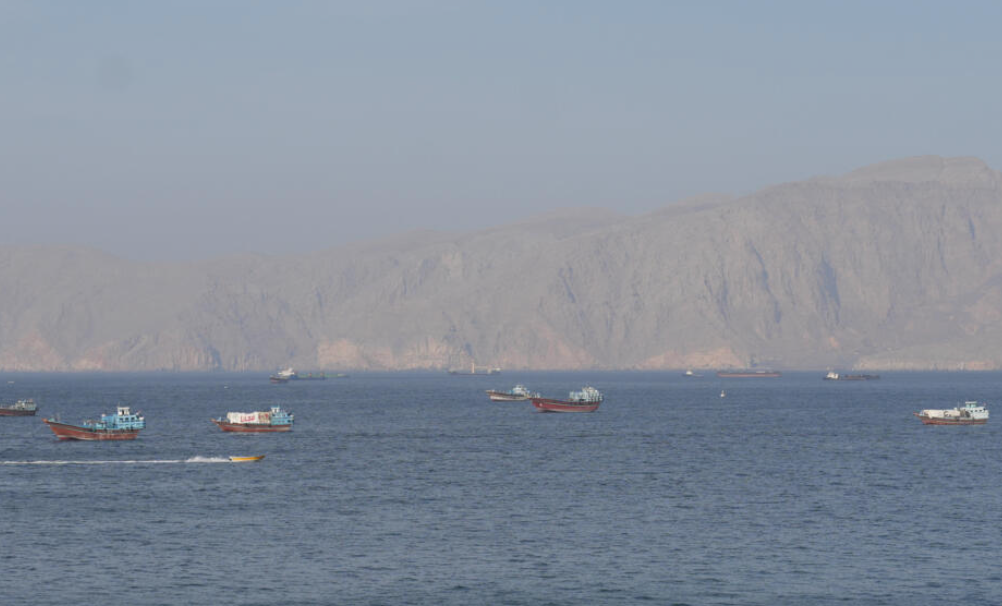
Global energy markets are once again focusing on the Strait of Hormuz after a commercial tanker caught fire off the coast of Oman on 7 July 2026. According to Al Jazeera, the vessel was struck by a projectile while sailing near one of the world's busiest maritime trade routes, prompting an emergency response and raising fresh concerns about regional security.
The latest Strait of Hormuz tanker attack comes at a time when geopolitical tensions across the Middle East remain elevated. Although investigations into the incident are still ongoing and responsibility has not been officially confirmed, the attack has renewed market attention on the security of global oil shipments passing through this vital maritime corridor.
For investors, developments involving the Strait of Hormuz often extend well beyond regional headlines. They can influence crude oil prices, shipping costs, inflation expectations, and overall market sentiment within hours.
Why the Strait of Hormuz Matters
The Strait of Hormuz tanker attack has drawn immediate attention because of the strategic importance of the shipping lane. The Strait of Hormuz connects the Persian Gulf with the Gulf of Oman and the Arabian Sea, serving as one of the world's most important energy corridors.
Roughly one-fifth of global oil consumption passes through the Strait of Hormuz every day. Major exporters including Saudi Arabia, Iraq, Kuwait, the United Arab Emirates, and Iran depend on this route to transport crude oil and liquefied natural gas to international buyers.
Even isolated security incidents in the Strait of Hormuz can increase market volatility because traders carefully monitor any risk to shipping activity or supply chains.
"Security developments in the Strait of Hormuz continue to attract global attention because of the waterway's importance to international energy markets."
Details of the Latest Incident
According to Al Jazeera, the commercial vessel was travelling near Oman's coastline when it was hit by a projectile that triggered a fire onboard. Emergency crews responded quickly while maritime authorities began investigating the circumstances surrounding the Strait of Hormuz tanker attack.
Interestingly, early reports indicated that the crew managed to respond to the emergency, although officials continue assessing the extent of the damage. At the time of writing, authorities have not publicly identified those responsible, and investigations remain ongoing.
Shipping companies operating near the Strait of Hormuz are continuing to monitor regional security updates while assessing potential operational risks.
Oil Markets React to Rising Geopolitical Risk
Whenever the Strait of Hormuz becomes the focus of global headlines, oil traders naturally begin reassessing supply risks. While physical crude oil exports may remain uninterrupted, financial markets often price geopolitical uncertainty well before actual supply disruptions occur.
This explains why crude oil prices frequently respond to developments in the Strait of Hormuz, even when production volumes remain unchanged.
Shipping companies may review navigation routes, insurance providers could adjust risk premiums, and freight costs may increase if tensions around the Strait of Hormuz continue to escalate.
Let that sink in. A single incident involving one vessel can influence expectations across global commodity markets because confidence remains a major driver of energy pricing.
Shipping and Insurance Costs Could Rise
Beyond oil prices, the latest incident near the Strait of Hormuz may also affect international shipping operations. Commercial vessels travelling through higher-risk waters often face increased insurance premiums and stricter security requirements.
Shipowners may choose additional naval escorts, enhanced onboard security procedures, or alternative routes where practical. These adjustments increase transportation costs, which may eventually filter through global supply chains if security concerns around the Strait of Hormuz persist.
While no widespread disruption has been reported, shipping companies remain alert as they continue evaluating operational risks.
Safe Haven Assets Return to Focus
Periods of geopolitical uncertainty frequently encourage investors to reassess portfolio risk. The latest developments near the Strait of Hormuz have once again placed traditional safe-haven assets under the spotlight.
Gold typically attracts demand during periods of geopolitical instability, while the US Dollar may strengthen as investors seek defensive positions. Equity markets, particularly sectors with high energy costs, could also experience additional volatility if oil prices remain elevated.
Energy producers, meanwhile, sometimes benefit from stronger crude prices when supply concerns linked to the Strait of Hormuz intensify.
Key Developments Investors Are Watching
Financial markets will continue monitoring several important developments following the latest Strait of Hormuz incident.
- Whether shipping activity continues without interruption.
- The outcome of official investigations.
- Any response from regional governments.
- Changes in naval security operations.
- Oil price movements during upcoming trading sessions.
Each of these factors could influence investor sentiment beyond the energy sector. Markets often react not only to confirmed disruptions but also to expectations regarding future risks surrounding the Strait of Hormuz.
A Critical Maritime Corridor Remains in Focus
The latest incident involving the Strait of Hormuz serves as another reminder of the strategic importance of one of the world's busiest maritime corridors. Although global energy markets have diversified over recent years, the Strait of Hormuz continues to handle an enormous share of international oil exports.
That reality ensures every security incident receives close scrutiny from governments, shipping companies, energy producers, and financial markets alike.
For investors, developments involving the Strait of Hormuz deserve careful attention. Even when immediate supply remains unaffected, geopolitical uncertainty can influence oil prices, inflation expectations, transportation costs, and broader market sentiment within a very short period.
As investigations continue, the latest Strait of Hormuz tanker attack reinforces how closely global financial markets remain connected to events occurring along critical international trade routes.
DISCLAIMER: Derivative products carry high risk and may result in the loss of your entire invested capital. Before trading, ensure you fully understand the legal framework, product characteristics, and your broker’s trading rules. Always trade responsibly and with caution.
RISK WARNING: Margin trading with leverage is not suitable for all investors due to its high risk. THERE ARE NO GUARANTEED RETURNS in trading. Beware of any claims promising assured profits. Only use capital you can afford to lose. Before engaging in any transaction, ensure you understand the risks and assess both your experience and risk tolerance.
