

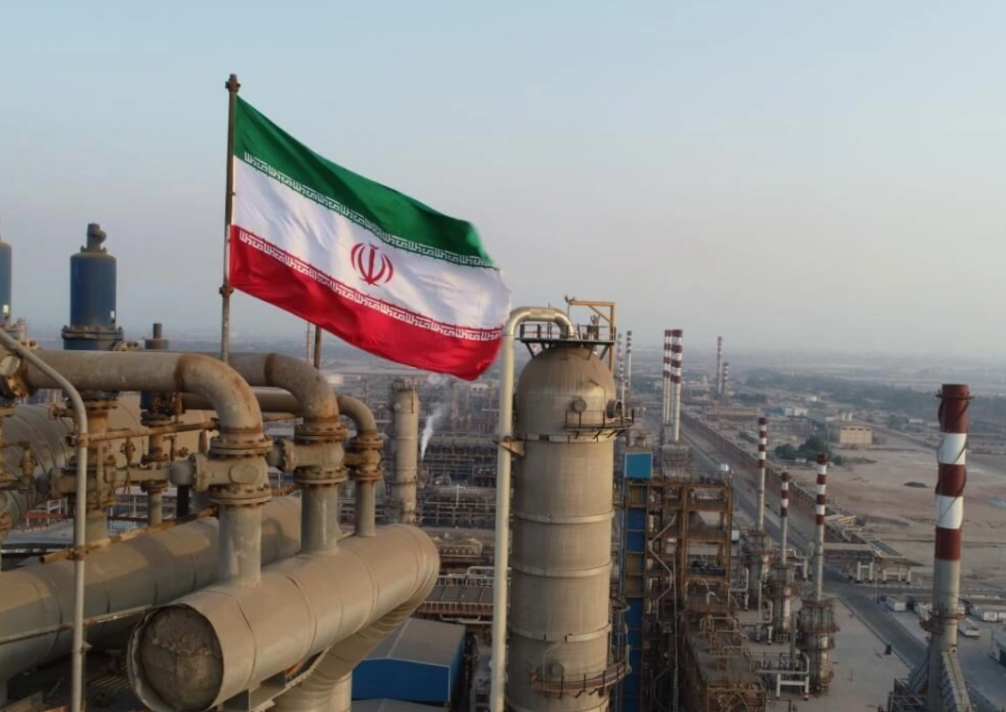
 Iran Oil Exports to Japan Under Fresh Discussion
Fresh discussions surrounding Iran oil exports have returned to the spotlight after reports indicated that Tehran is exploring the possibility of resuming crude oil sales to Japan. At the same time, Japanese buyers are seeking a longer sanctions waiver that would allow them to purchase Iranian crude with greater certainty.
The development reflects a gradual shift in the global energy landscape following recent diplomatic efforts aimed at easing regional tensions. While no formal agreement has been reached, the renewed dialogue highlights how governments and energy companies are reassessing supply options as geopolitical risks begin to stabilise.
For energy markets, the possibility of renewed Iran oil exports to one of Asia's largest economies could influence crude supply expectations and reshape regional trade flows.
Iran Oil Exports Could Return to the Japanese Market
According to Reuters, Iranian officials have approached Japanese refiners regarding the potential resumption of Iran oil exports if sanctions exemptions can be extended.
Japan was once a significant buyer of Iranian crude before US sanctions effectively halted most imports several years ago.
Since then, Japanese refiners have relied on alternative suppliers from the Middle East while maintaining interest in eventually restoring commercial ties with Iran.
Interestingly, industry participants believe Iranian crude remains attractive because of its compatibility with existing refinery configurations and its competitive pricing compared with alternative grades.
However, any return of Iran oil exports depends heavily on regulatory approvals rather than commercial demand alone.
Sanctions Waiver Remains the Biggest Obstacle
The central issue is the duration of sanctions exemptions. Japanese buyers are reportedly seeking longer-term waivers that would provide sufficient certainty for planning crude purchases, shipping schedules and refinery operations.
Short-term exemptions create considerable uncertainty because refiners must secure cargoes months in advance while managing contractual obligations with suppliers.
- Extended waiver duration for long-term planning
- Predictable shipping and insurance arrangements
- Clear payment mechanisms outside restricted banking channels
Without greater clarity, companies may hesitate to commit to significant volumes of Iran oil exports, even if political conditions improve.
Why Japan Is Exploring Additional Supply Sources
Japan imports nearly all of the crude oil it consumes, making energy security a long-standing national priority. Diversifying suppliers helps reduce dependence on individual exporting countries while strengthening supply resilience during periods of geopolitical uncertainty.
The potential return of Iran oil exports would provide Japanese refiners with another source of medium-grade crude while increasing flexibility across their procurement strategies.
Although Saudi Arabia and the United Arab Emirates remain Japan's largest energy suppliers, expanding sourcing options has become increasingly important as global energy markets continue evolving.
The renewed discussions therefore extend beyond simple trade negotiations. They also reflect broader efforts to strengthen long-term energy security.
What It Means for Global Oil Markets
From a market perspective, additional Iran oil exports could gradually increase available global crude supply if sanctions restrictions continue easing. Greater supply availability generally reduces upward pressure on oil prices, particularly if global demand remains relatively stable.
That said, analysts caution that any meaningful increase would likely occur gradually rather than immediately.
- Infrastructure upgrades and terminal readiness
- Shipping and logistics coordination
- Payment mechanism approvals
- Formal regulatory sign-off
As a result, energy markets have responded cautiously, viewing the discussions as a potential future development rather than an immediate supply shift.
Diplomatic Progress Continues to Shape Energy Trade
The renewed interest in Iran oil exports follows broader diplomatic efforts that have contributed to easing tensions across parts of the Middle East.
While significant political challenges remain, recent negotiations have encouraged governments and businesses to reassess commercial relationships that were previously considered unlikely.
Diplomatic progress often influences commodity markets well before physical trade resumes. Investors frequently adjust expectations based on anticipated policy changes rather than waiting for confirmed commercial agreements.
That explains why discussions surrounding sanctions waivers can affect market sentiment even before a single cargo changes hands.
Investors Are Watching Both Politics and Supply
Energy markets increasingly recognise that geopolitical developments and economic fundamentals move together. Oil prices are influenced not only by production levels but also by sanctions, international relations, shipping security and government policy decisions.
The possibility of expanded Iran oil exports therefore represents one of several variables investors continue monitoring alongside OPEC+ production decisions, US crude inventories and global demand trends.
Should sanctions waivers become more predictable, additional Iranian crude could contribute to a more balanced global supply outlook over the medium term. However, uncertainty remains substantial until regulatory frameworks become clearer.
Energy Markets Await Greater Policy Clarity
The discussions between Iran and Japanese buyers, as reported by Bloomberg, highlight how rapidly geopolitical developments can reshape energy markets. Although no immediate agreement has been announced, the willingness of both sides to explore renewed cooperation suggests that commercial opportunities are gradually re-emerging following years of restrictions.
For investors, the future of Iran oil exports will depend less on production capacity than on diplomatic progress and sanctions policy. Those factors will determine whether discussions translate into actual shipments and whether Japan once again becomes a meaningful destination for Iranian crude.
Until clearer decisions emerge, market participants are likely to continue treating developments surrounding Iran oil exports as an important indicator for both regional energy security and the broader outlook for global oil supply.
