

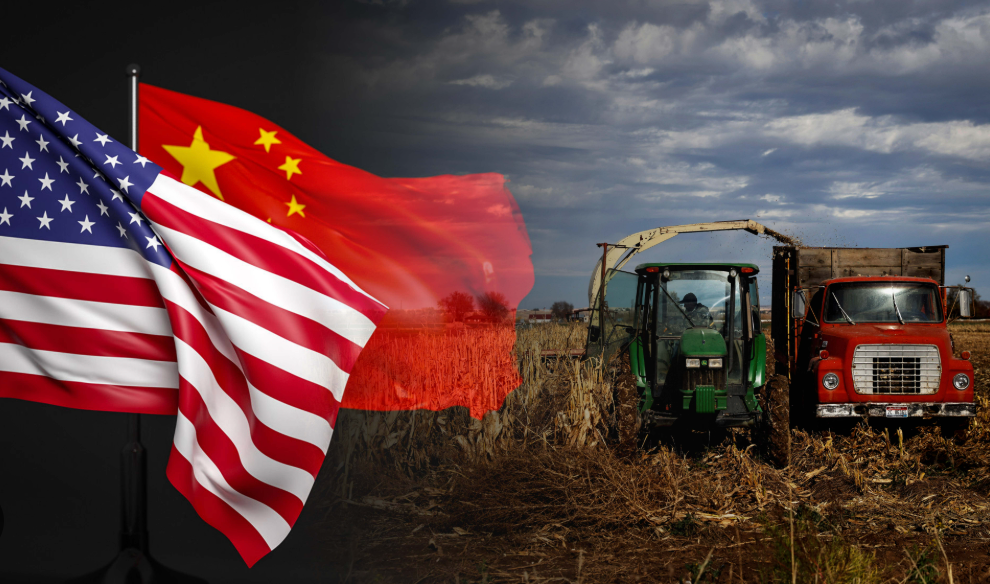
 Fresh Optimism Emerges for US-China Agriculture Deal
Fresh optimism emerged across agricultural and commodity markets on 15 May 2026 after U.S. officials indicated that a new US-China agriculture deal following the recent Trump-Xi summit could be worth "double-digit billions" of dollars.
The comments quickly attracted attention from investors, commodity traders, and agricultural exporters worldwide. Why? Because trade relations between the United States and China continue to play a major role in shaping global demand for soybeans, corn, wheat, and other agricultural products.
Interestingly, the market reaction extended beyond agriculture itself. Broader investor sentiment also improved slightly as traders interpreted the potential US-China agriculture deal as another signal that tensions between Washington and Beijing may be easing, at least temporarily.
Trump-Xi Summit Raises Expectations for Trade Progress
According to Reuters, U.S. officials said expectations for the US-China agriculture deal increased after talks between former U.S. President Donald Trump and Chinese President Xi Jinping.
Although specific details of the agreement have not yet been fully disclosed, officials reportedly expect the potential agriculture trade package to reach tens of billions of dollars. The proposed deal could involve major Chinese purchases of American agricultural goods, including:
- Soybeans
- Corn
- Wheat
- Meat products
For U.S. farmers and exporters, that possibility immediately revived memories of previous large-scale agricultural purchase agreements between the two countries during earlier phases of trade negotiations.
Markets responded accordingly. Soybean futures attracted renewed attention, while broader agricultural commodity sentiment improved during trading sessions. Analysts noted that stronger Chinese demand for U.S. farm products could support commodity prices if negotiations continue moving in a positive direction.
At the same time, traders remain cautious. Similar negotiations in previous years often experienced delays, political disagreements, or sudden reversals. Still, the latest Trump-Xi summit appears to have reopened discussions that many investors feared had stalled completely.
Why the US-China Agriculture Deal Matters Globally
The importance of a US-China agriculture deal extends far beyond farming. China remains one of the world's largest importers of agricultural commodities, while the United States continues to rank among the biggest agricultural exporters globally.
Trade activity between both nations therefore influences:
- Supply chains and logistics networks
- Shipping demand across Pacific routes
- Commodity pricing mechanisms
- Currency movements and exchange rates
A large-scale US-China agriculture deal could potentially impact everything from soybean futures in Chicago to shipping activity across Asia and Latin America.
Corn and wheat markets are also closely watching developments surrounding the US-China agriculture deal. Increased Chinese purchases could tighten supply expectations globally, especially if weather-related production risks emerge later in the year.
Commodity analysts noted that any confirmed agreement may support agricultural prices during the second half of 2026.
Investor Sentiment Improves Across Commodity Markets
Beyond agricultural commodities, the broader market interpreted the potential US-China agriculture deal as a sign that communication between both governments remains active despite ongoing geopolitical tensions.
That distinction is important. Investors have spent months navigating concerns surrounding tariffs, technology restrictions, semiconductor disputes, and slowing global economic activity. In that environment, even partial diplomatic progress can influence market psychology significantly.
Asian markets traded with cautious optimism after the news emerged. U.S. equity futures also reflected modest gains as investors assessed whether improving trade discussions could eventually benefit global growth expectations. Meanwhile, commodity-linked currencies and agricultural stocks remained in focus throughout the trading session.
The market reaction was measured rather than euphoric. Traders appear increasingly aware that trade negotiations between the United States and China often evolve gradually, with political considerations influencing outcomes at every stage.
That realism may explain why investors continue balancing optimism with caution as they monitor progress on the US-China agriculture deal.
Agricultural Exporters Could Benefit From Stronger Demand
If finalized, the US-China agriculture deal could provide meaningful support for American agricultural exporters facing softer demand conditions in certain global markets.
Large grain traders, food exporters, logistics firms, and farming equipment companies could all benefit indirectly from stronger trade activity between the two countries. Shipping demand may also rise if China increases imports of U.S. agricultural products over the coming quarters.
For rural American economies, the timing could be particularly significant. Higher export demand often supports:
- Farm income and profitability
- Transportation and logistics activity
- Commodity pricing stability
- Agricultural equipment sales
At the same time, Chinese buyers may benefit from securing stable agricultural supply sources during a period of ongoing global market uncertainty.
Several analysts also pointed out that improving agricultural trade could serve as a stepping stone toward broader economic discussions between Washington and Beijing in the future.
Uncertainty Remains in Trade Negotiations
Still, substantial uncertainty remains surrounding the US-China agriculture deal. Trade negotiations involving the United States and China frequently involve political considerations beyond economics alone.
Issues tied to technology, national security, tariffs, and regional influence continue to shape the broader relationship between both nations. Previous negotiations have often stalled or reversed course due to diplomatic tensions or shifting political priorities.
For now, however, the prospect of a multibillion-dollar US-China agriculture deal has provided financial markets with another reason to closely monitor developments between Trump and Xi Jinping.
And in today's market environment, even cautious optimism can move prices.
