

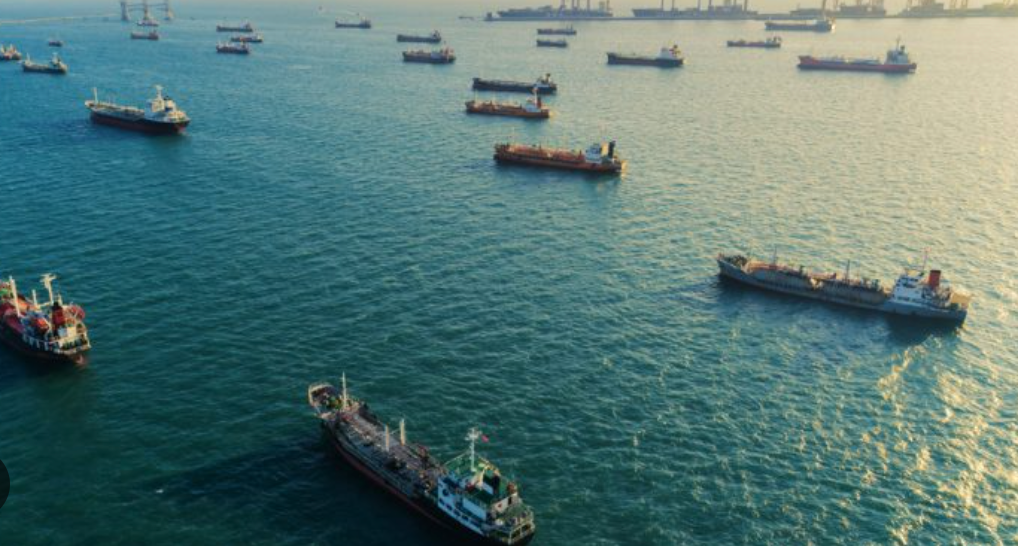
 Strait of Hormuz Shipping Disruption Impact
Meta Description: Strait of Hormuz shipping disruption raises global oil supply risks as traffic remains halted. Markets react to rising geopolitical uncertainty.
Introduction to the Strait of Hormuz Crisis
The Strait of Hormuz shipping disruption has quickly become one of the most closely watched developments in global markets. Reports published on April 21, 2026, indicate that shipping traffic through the Strait of Hormuz remains largely halted following escalating regional tensions. This narrow waterway, responsible for transporting a significant portion of the world's oil, now sits at the center of renewed geopolitical risk.
Interestingly, market reactions have been swift but measured. Oil prices have shown upward pressure, yet traders remain cautious, weighing both the scale and duration of the disruption. A single chokepoint affecting global energy flows has once again reminded markets how fragile supply chains can be.
Why the Strait of Hormuz Matters
The Strait of Hormuz shipping disruption is not just a regional issue. It carries global implications. Roughly one-fifth of the world's oil consumption passes through this corridor daily, linking major producers in the Middle East to international markets.
When Strait of Hormuz shipping is halted, even partially, the immediate concern centers on supply shortages. Refiners, importers, and governments begin reassessing inventories. Energy traders adjust positions. Volatility creeps in.
More importantly, disruptions here tend to ripple across multiple asset classes:
- Oil markets react first to Strait of Hormuz supply concerns
- Currencies tied to energy exports or imports follow
- Equity markets, particularly in sectors sensitive to fuel costs, begin to adjust
- Broader financial sentiment shifts based on geopolitical developments
Market Reaction to the Shipping Disruption
Oil markets have responded predictably to the Strait of Hormuz shipping disruption. According to Reuters, prices for Brent and WTI crude have edged higher as traders factor in potential supply constraints.
However, the reaction has not been overly aggressive. Why? Because markets are still trying to assess whether this Strait of Hormuz disruption is temporary or structural. Short-term halts can be absorbed. Prolonged blockages create a very different scenario.
Gold, often seen as a safe-haven asset, has also drawn attention. A stronger US dollar has limited its upside, yet underlying demand remains supported by geopolitical uncertainty. Meanwhile, equity futures have shown signs of caution, reflecting broader risk sentiment. Currency markets add another layer of complexity to the Strait of Hormuz crisis.
Supply Chain Pressure and Energy Security Concerns
The Strait of Hormuz shipping disruption highlights a deeper issue. Global energy supply chains remain highly concentrated. A disruption in one location can trigger widespread consequences affecting international commerce and energy availability.
Shipping companies have reportedly paused or rerouted vessels, increasing transportation costs and delivery times. Insurance premiums for vessels navigating the region have also risen, adding further pressure to already strained logistics networks connected to Strait of Hormuz operations.
Governments are now monitoring strategic reserves. Some may consider releasing stockpiles if the Strait of Hormuz disruption persists. Others are exploring alternative routes, though options remain limited in the short term.
The broader concern lies in energy security. As tensions continue around the Strait of Hormuz, the risk of prolonged instability cannot be ignored. Markets tend to price in worst-case scenarios quickly, even when outcomes remain uncertain.
Broader Implications for Global Markets
Beyond oil, the Strait of Hormuz shipping disruption is influencing overall market sentiment. Investors are becoming more risk-aware. Volatility, while still contained, shows signs of building across multiple sectors sensitive to energy costs.
Equity markets, particularly in sectors reliant on stable energy costs such as airlines and manufacturing, may face headwinds if oil prices climb further. The following sectors are particularly vulnerable:
- Commercial aviation and transportation
- Manufacturing and heavy industry
- Chemical and petrochemical production
- Shipping and logistics services
On the other hand, energy stocks could benefit from sustained price strength related to Strait of Hormuz supply constraints. There is also a policy angle. Central banks, already navigating inflation concerns, may need to reassess projections if energy prices rise sharply. Inflation expectations could shift. Interest rate outlooks might follow.
Geopolitical Developments and Market Uncertainty
Geopolitical developments often evolve quickly. One headline can change the narrative around the Strait of Hormuz situation. For now, markets remain in a state of cautious observation, monitoring whether the Strait of Hormuz blockade continues or resolves.
According to Reuters and other major financial news outlets, the situation remains fluid. Traders are not reacting blindly to the Strait of Hormuz disruption. They are analyzing probabilities, monitoring developments, and adjusting strategies accordingly. The key question remains unresolved: Will shipping resume soon, or is this the beginning of a longer disruption?
The Critical Role of the Strait of Hormuz
The Strait of Hormuz shipping disruption serves as a reminder of how interconnected global markets truly are. A localized event can influence oil prices, currencies, equities, and policy expectations all at once. The Strait of Hormuz remains one of the world's most strategically important waterways, and any disruption carries outsized consequences.
That uncertainty is what keeps markets on edge. As updates continue to emerge, attention will remain firmly fixed on the Strait of Hormuz. The outcome will shape not just oil markets, but the broader financial landscape in the weeks ahead.
Traders are analyzing the situation carefully. The duration and resolution of the Strait of Hormuz disruption will ultimately determine whether price movements are temporary adjustments or the beginning of a sustained shift in energy markets and broader asset allocation strategies.
