

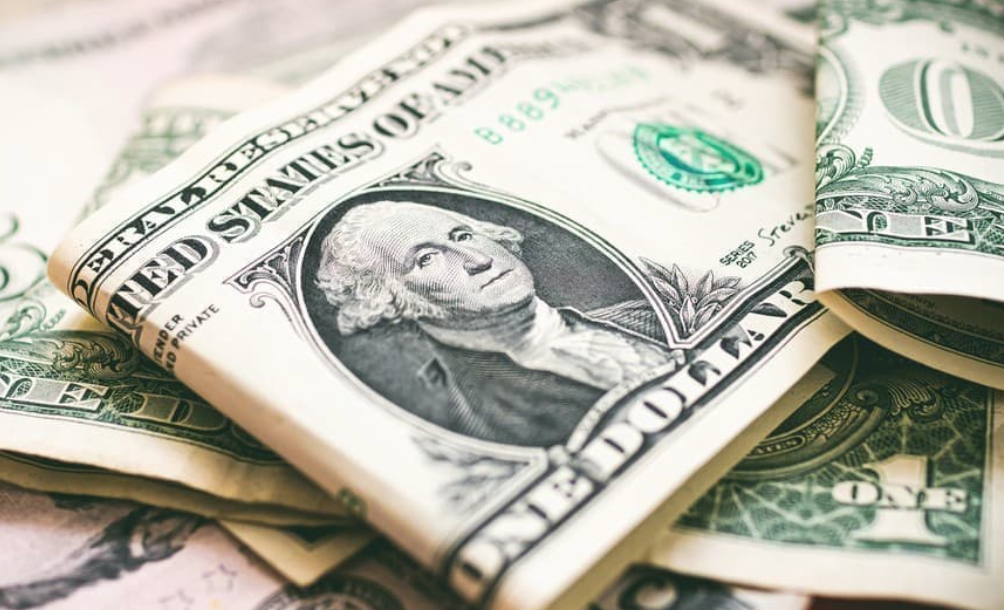
 Dollar Surges as Iran Conflict and Oil Prices Shake Global Markets
The dollar surges across global currency markets as geopolitical tensions intensify following the escalation of conflict involving Iran. Investors reacted swiftly to the unfolding developments in the Middle East, triggering a wave of risk-off sentiment that pushed capital toward traditional safe-haven assets.
According to market reports published by Reuters on 9 March 2026, the dollar surges while oil prices simultaneously moved above $100 per barrel after renewed hostilities raised concerns about global energy supply. The rapid movement reflects how closely currency markets respond to geopolitical shocks, particularly when the stability of a major energy region is at stake.
Currency traders and institutional investors quickly adjusted their portfolios as the situation evolved. Interestingly, the dollar surges even as other markets experience heightened volatility. That pattern has appeared repeatedly during periods of global uncertainty.
Why does this happen so consistently? The answer lies in the role of the US dollar within the global financial system.
Safe-Haven Demand Strengthens the US Dollar
When geopolitical tensions rise, investors typically shift capital into assets perceived as stable and liquid. The US dollar remains the world's dominant reserve currency, making it a natural destination during periods of uncertainty.
As tensions surrounding Iran intensified, the dollar surges against several major currencies including the euro, yen, and emerging market currencies. The US Dollar Index, which measures the dollar's strength against a basket of currencies, recorded a noticeable increase during the latest trading sessions.
Interestingly, currency markets often react faster than equity markets during geopolitical events. Foreign exchange traders continuously assess global risk conditions, adjusting positions within minutes of new developments.
The reason is straightforward. The dollar surges whenever investors prioritize liquidity and stability. US Treasury markets, supported by the depth of American financial institutions, provide a level of security that few alternatives can match.
Oil Prices and Currency Markets Move Together
Another key factor behind the recent dollar surge is the rapid rise in oil prices. As conflict involving Iran intensified, energy markets reacted immediately.
Oil prices breaking above the $100 mark have far-reaching implications. Higher energy costs increase inflation risks and can influence monetary policy expectations across multiple economies.
When oil prices rise sharply due to geopolitical tensions, the dollar surges partly because the United States is one of the world's largest oil producers. Stronger energy prices can support US economic resilience compared with regions that rely heavily on imported energy.
Currency markets interpret this imbalance quickly. As oil prices climb, traders often expect energy-importing economies to face greater economic pressure. That expectation reinforces the movement toward the US dollar.
At the same time, the dollar surges as global investors reduce exposure to risk-sensitive assets. Emerging market currencies and commodity-linked currencies frequently experience the opposite effect during these episodes.
- Oil prices surpassed $100 per barrel following renewed hostilities
- Energy-importing economies face increased inflation pressure
- US oil production supports relative economic resilience
- Emerging market currencies weakened against the dollar
Market Volatility Returns to Global Forex Trading
The sudden dollar surge also reflects a broader return of volatility to currency markets. In recent months, foreign exchange movements had remained relatively stable as inflation slowed in several major economies.
Geopolitical developments can quickly change that environment.
The dollar surges not only because investors seek safety, but also because global financial institutions adjust hedging strategies when uncertainty rises. Currency hedging, energy exposure, and trade flows all influence the direction of forex markets during geopolitical events.
According to Reuters, analysts noted that traders are carefully monitoring developments around key oil shipping routes in the Middle East. Any disruption to supply chains could amplify both oil price movements and currency volatility.
Interestingly, financial markets often treat currency movements as early warning signals. When the dollar surges sharply, it often reflects rising global anxiety about economic stability.
Central Banks and the Currency Outlook
The current dollar surge also intersects with ongoing monetary policy debates among major central banks. Rising energy prices can complicate inflation management, forcing policymakers to reassess interest rate strategies.
If oil prices remain elevated due to the Iran conflict, inflation pressures may persist longer than expected. That scenario could support continued dollar strength if investors anticipate higher US interest rates relative to other economies.
However, currency markets rarely move in straight lines. While the dollar surges during periods of geopolitical stress, any improvement in diplomatic conditions could reverse the trend just as quickly.
Currency traders therefore remain focused on both geopolitical headlines and economic indicators. The following factors will shape the next phase of currency market movements:
- Inflation data from major economies
- Central bank interest rate statements
- Energy market supply and demand signals
- Diplomatic progress or further escalation involving Iran
Global Markets Adjust to Rising Uncertainty
The latest episode in currency markets highlights a familiar pattern in global finance. When geopolitical risk intensifies, capital tends to flow toward perceived stability.
The dollar surges because of its role as the world's primary reserve currency and the depth of US financial markets. At the same time, rising oil prices reinforce this trend by increasing uncertainty about global economic conditions.
Financial markets now face a period of heightened sensitivity to geopolitical news. Developments surrounding Iran, oil supply routes, and diplomatic negotiations could all influence the trajectory of currency markets in the coming weeks.
For investors, the recent episode where the dollar surges offers a reminder that geopolitics continues to shape financial markets in powerful ways. Currency movements often reveal shifts in global sentiment long before broader economic trends fully emerge.
