

Bozor tahlili
Oil Prices Near $100 as Stagflation Fears Return to Global Markets
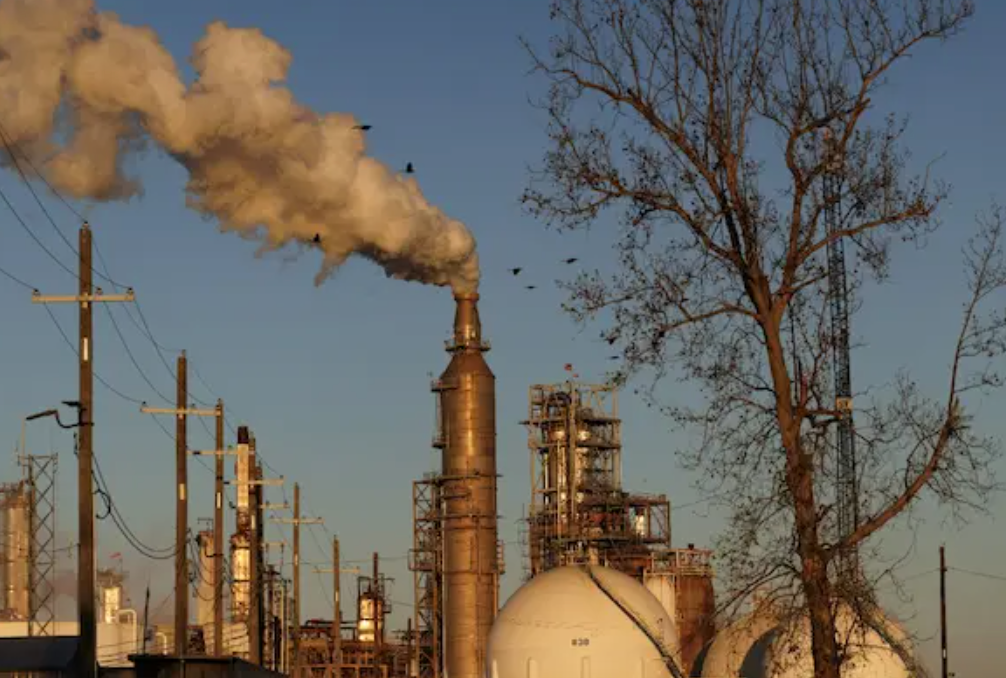 Oil Prices Near $100 Revive Stagflation Fears
The sharp rebound in oil prices has once again placed stagflation at the centre of market discussions. With crude approaching the US$100 per barrel mark, investors are becoming increasingly concerned that rising energy costs could reignite inflation while economic growth continues to slow.
It is a combination that financial markets have not welcomed historically.
The renewed focus on oil prices comes after weeks of geopolitical tensions, supply concerns, and stronger-than-expected demand supported the latest rally. According to Reuters, higher crude prices often benefit energy producers, but they can also place additional pressure on businesses, consumers, and central banks already navigating a complex economic landscape.
As a result, investors across equities, commodities, currencies, and bond markets are reassessing potential risks tied to elevated oil prices.
Why Oil Prices Are Climbing Again
Several developments have contributed to the latest rise in oil prices.
- Supply concerns remain elevated as geopolitical tensions threaten production and transportation routes in key oil-producing regions.
- Expectations of resilient global demand have provided additional support for crude markets despite slowing growth in some major economies.
- Commodity traders are responding to tighter inventories and ongoing uncertainty surrounding future production levels.
Interestingly, oil markets often react quickly to geopolitical headlines, even before physical supply is directly affected. Expectations alone can influence oil prices as traders attempt to position themselves ahead of potential disruptions.
That dynamic has helped push oil prices closer to levels not seen in several months.
What Is Stagflation?
The renewed conversation around oil prices has also revived interest in a term that many investors hoped had faded into history: stagflation.
Stagflation describes an economic environment where inflation remains high while economic growth slows and unemployment begins to rise.
Normally, inflation occurs alongside strong economic activity. During stagflation, however, consumers face rising living costs even as businesses experience weaker demand and slower expansion.
This creates a particularly difficult situation for policymakers. Higher inflation may require tighter monetary policy, while slower growth often calls for lower interest rates to support the economy. Managing both challenges simultaneously is rarely straightforward.
Why Oil Prices Matter for Inflation
Energy plays a central role in almost every modern economy. When oil prices rise, transportation costs increase, and manufacturing expenses often climb as well, particularly for industries that rely heavily on fuel or petroleum-based products.
These higher costs can eventually filter through supply chains and reach consumers in the form of more expensive goods and services.
- Airlines may face higher operating costs.
- Logistics companies may increase shipping charges.
- Manufacturers may adjust product prices to protect profit margins.
Consumers ultimately feel the effects through higher fuel prices and increased living expenses. That explains why central banks closely monitor developments in energy markets when evaluating inflation risks linked to oil prices.
Central Banks Face Another Challenge
The latest increase in oil prices arrives as many central banks continue balancing inflation control with economic growth.
Over the past two years, policymakers have raised interest rates aggressively to slow inflation. As Bloomberg has reported, while price pressures have eased in several economies, inflation has not disappeared entirely. Should oil prices continue rising, progress toward lower inflation could become more difficult.
Market participants are therefore watching every economic release and central bank statement for signs of changing policy expectations.
How Financial Markets Typically Respond
Periods of rising oil prices often produce mixed reactions across financial markets.
Energy companies frequently benefit from stronger crude prices, supporting share prices within the oil and gas sector. At the same time, industries that consume large amounts of fuel, including airlines, transportation firms, and manufacturers, may experience higher operating expenses.
Equity investors also become more selective when inflation risks increase.
- Defensive sectors such as utilities, healthcare, and consumer staples sometimes attract greater attention during uncertain economic periods.
- Gold may also receive renewed interest as investors seek assets traditionally viewed as stores of value.
Currency markets are equally sensitive. Oil-exporting countries can benefit from higher crude prices, while economies heavily dependent on imported energy may experience greater inflationary pressure and weaker currencies.
What Investors Are Watching Next
Although oil prices have approached the US$100 level, markets remain focused on several key questions.
- Will geopolitical tensions continue restricting supply?
- Can global demand remain resilient if economic growth slows?
- Will OPEC and its allies adjust production policies?
- How will central banks respond if higher energy prices begin feeding back into broader inflation?
These uncertainties explain why volatility has increased across multiple asset classes. Investors are likely to monitor upcoming inflation reports, employment data, GDP releases, and central bank meetings even more closely over the coming weeks.
Each new data point could influence expectations regarding interest rates, economic growth, and commodity prices tied to oil prices.
A Delicate Balance for the Global Economy
The latest surge in oil prices serves as a reminder that energy markets remain one of the most influential drivers of the global economy.
While crude approaching US$100 does not automatically guarantee stagflation, it increases the likelihood that inflation concerns will remain firmly on investors' radar. Governments, businesses, and central banks must now balance the competing challenges of maintaining economic growth while preventing another sustained rise in consumer prices.
For financial markets, the path ahead will depend on whether energy prices stabilize or continue climbing. Until greater clarity emerges, oil prices are likely to remain one of the most closely watched indicators shaping global investment decisions throughout the second half of 2026.
DISCLAIMER: Derivative products carry high risk and may result in the loss of your entire invested capital. Before trading, ensure you fully understand the legal framework, product characteristics, and your broker’s trading rules. Always trade responsibly and with caution.
RISK WARNING: Margin trading with leverage is not suitable for all investors due to its high risk. THERE ARE NO GUARANTEED RETURNS in trading. Beware of any claims promising assured profits. Only use capital you can afford to lose. Before engaging in any transaction, ensure you understand the risks and assess both your experience and risk tolerance.
