

Bozor tahlili
US Seeks Temporary Trade Deals with Canada and Mexico Before Year-End
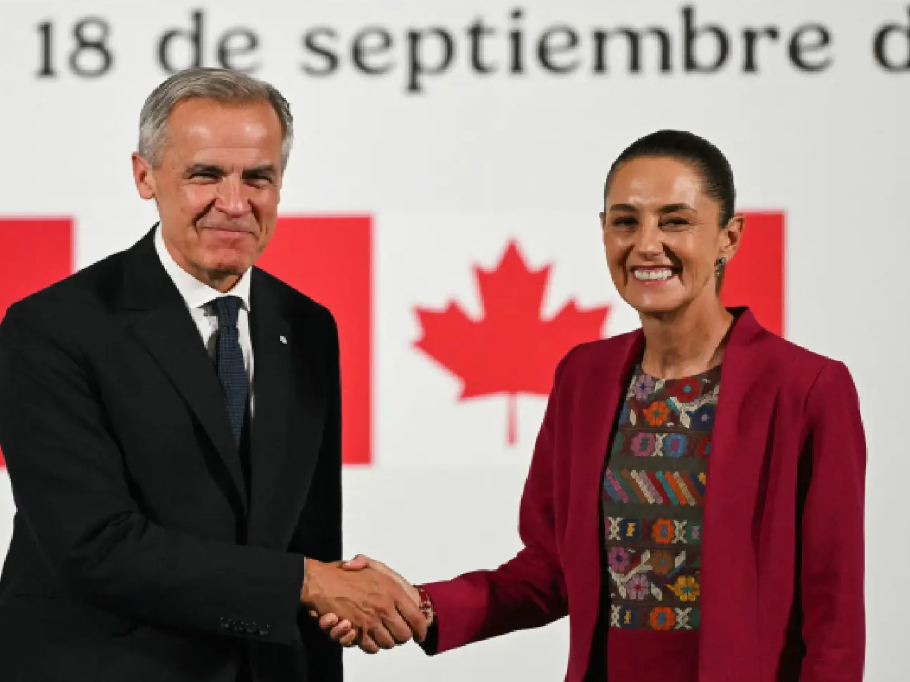
The United States is aiming to secure interim trade deals with Canada and Mexico before the end of 2026, marking another important step in the evolution of North American trade policy. Rather than waiting for a complete overhaul of the United States-Mexico-Canada Agreement (USMCA), US officials are pursuing temporary arrangements designed to resolve pressing issues while broader negotiations continue.
The announcement comes at a time when governments and businesses are navigating an increasingly uncertain global trading environment. Higher tariffs, geopolitical tensions, and shifting supply chains have encouraged policymakers to seek practical solutions that reduce uncertainty without delaying economic cooperation.
For investors, the latest developments surrounding US trade deals could have implications for manufacturing, agriculture, automotive production, currencies, and equity markets across North America.
Why the US Is Pursuing Interim Trade Deals
According to Reuters, US Trade Representative Jamieson Greer confirmed that the administration hopes to establish interim arrangements with both Canada and Mexico before the scheduled USMCA review process concludes. These temporary agreements are intended to address immediate trade concerns while allowing more comprehensive negotiations to continue over the longer term.
Interestingly, this approach reflects a growing preference for gradual progress rather than waiting years for a complete renegotiation. Temporary agreements can provide businesses with greater policy clarity while governments continue discussing more complex trade matters.
Several industries have been watching these talks closely. Automotive manufacturers, agricultural exporters, steel producers, and technology companies all rely heavily on efficient cross-border trade throughout North America.
As a result, progress on US trade deals could reduce uncertainty for companies planning future investments.
Why Canada and Mexico Matter
Canada and Mexico remain America's two largest trading partners. Together, they account for trillions of dollars in annual trade involving vehicles, machinery, food products, energy resources, and industrial components.
Modern manufacturing often depends on products crossing borders multiple times before final assembly. A single automobile, for example, may include parts produced in all three countries before reaching consumers.
That interconnected system means even relatively small trade disruptions can create higher production costs and slower delivery schedules.
Temporary US trade deals could help preserve the smooth movement of goods while governments continue negotiating broader policy updates.
Markets Are Watching Trade Stability
Financial markets generally welcome greater certainty.
Trade negotiations often create volatility because businesses struggle to forecast production costs, investment plans, and future earnings when policy remains unclear.
Should interim agreements be reached, investors may interpret the outcome as a sign that North American trade relations remain stable despite ongoing political negotiations.
Several market sectors could benefit, including:
- Automotive manufacturers
- Industrial companies
- Transportation firms
- Agricultural exporters
- Logistics providers
- Consumer goods manufacturers
Currency markets may also respond. The Canadian dollar and Mexican peso often react to developments involving US trade deals, particularly when negotiations affect export industries.
USMCA Review Remains the Bigger Picture
The proposed interim agreements do not replace the formal USMCA review scheduled under the existing trade framework.
Instead, they provide an opportunity to address urgent concerns while preserving momentum toward a more comprehensive agreement.
Current discussions involve a range of issues, including tariff implementation, rules of origin, automotive manufacturing requirements, labor standards, digital trade, and dispute resolution mechanisms.
Some areas remain politically sensitive, making a full agreement difficult to achieve quickly.
Temporary arrangements allow negotiators to make measurable progress without forcing immediate compromises on every outstanding issue.
That incremental strategy has become increasingly common in international trade negotiations.
Businesses Prefer Predictability
Corporate executives frequently highlight policy stability as one of the most important factors when making investment decisions.
Factories require years of planning. Supply chains often involve billions of dollars in infrastructure investments. Companies need confidence that trade rules will remain relatively stable before committing capital.
Even temporary US trade deals can provide valuable reassurance.
Manufacturers may delay expansion projects when future tariffs remain uncertain. Exporters may postpone long-term contracts until clearer trade rules emerge.
Removing some of that uncertainty could support business confidence across North America.
What Investors Should Watch Next
Although negotiations appear constructive, according to Bloomberg, significant work remains before interim agreements become official.
Several developments deserve close attention over the coming months:
- Additional statements from US Trade Representative Jamieson Greer
- Responses from Canadian and Mexican trade officials
- Progress toward formal interim agreements
- Updates ahead of the broader USMCA review process
- Potential changes affecting tariffs and cross-border manufacturing
That explains why investors continue monitoring every update surrounding US trade deals.
If negotiators can successfully reach temporary agreements before year-end, businesses may gain greater confidence heading into 2027, even as larger trade discussions continue.
The Broader Market Perspective
Trade policy rarely moves markets overnight unless accompanied by dramatic tariff announcements. More often, its influence builds gradually through business investment, corporate planning, and supply chain decisions.
The latest effort to secure interim US trade deals with Canada and Mexico reflects a pragmatic strategy aimed at maintaining economic stability while more comprehensive negotiations continue.
For investors, the message is straightforward. Stable trade relationships help businesses plan with greater confidence, reduce unnecessary disruptions, and support long-term economic activity across North America.
Whether these interim agreements evolve into lasting policy changes will become clearer over the months ahead. Until then, progress itself may prove to be one of the most valuable signals markets can receive.
DISCLAIMER: Derivative products carry high risk and may result in the loss of your entire invested capital. Before trading, ensure you fully understand the legal framework, product characteristics, and your broker’s trading rules. Always trade responsibly and with caution.
RISK WARNING: Margin trading with leverage is not suitable for all investors due to its high risk. THERE ARE NO GUARANTEED RETURNS in trading. Beware of any claims promising assured profits. Only use capital you can afford to lose. Before engaging in any transaction, ensure you understand the risks and assess both your experience and risk tolerance.
