

Bozor tahlili
Ukraine 2,000 Hryvnia Bill Introduced as Wartime Cash Demand Continues to Rise
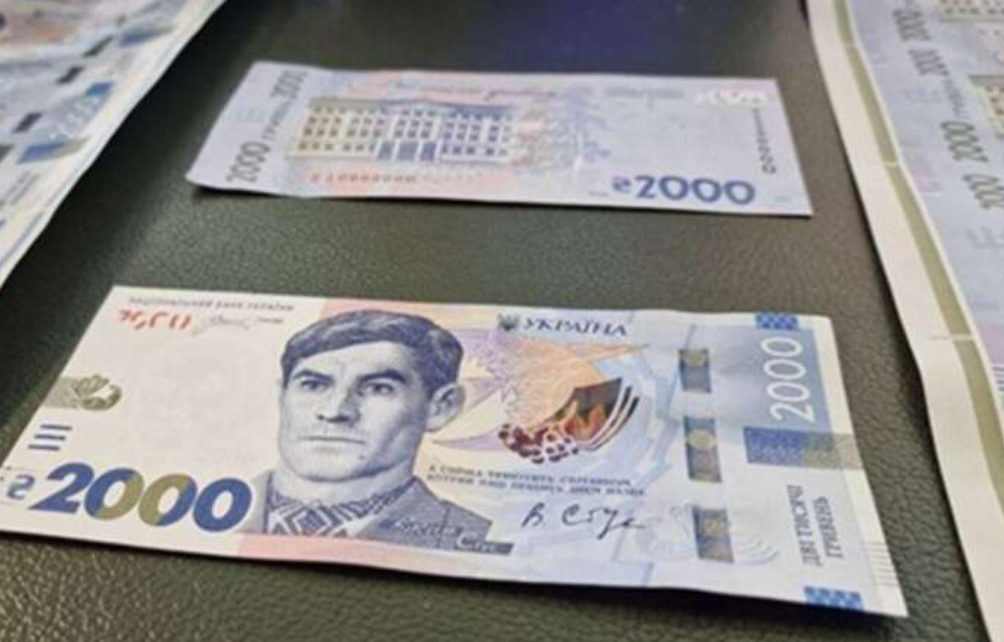 Ukraine 2,000 Hryvnia Bill: New Banknote Launched
Ukraine has unveiled a new Ukraine 2,000 hryvnia bill, introducing the country's highest-value banknote as authorities respond to rising cash demand driven by the ongoing war. According to the National Bank of Ukraine, the new denomination is intended to improve the efficiency of cash circulation as inflation, higher incomes, and increased government spending have significantly expanded the amount of physical currency in use.
The announcement reflects more than a routine currency update. It highlights how prolonged conflict continues to reshape Ukraine's financial system, requiring policymakers to adapt both monetary operations and cash logistics to changing economic conditions.
Ukraine 2,000 Hryvnia Bill Addresses Rising Cash Demand
According to Reuters, the National Bank of Ukraine stated that the Ukraine 2,000 hryvnia bill will help banks, businesses, and consumers handle larger cash payments more efficiently.
Since Russia's full-scale invasion, Ukraine has experienced substantial changes in its financial landscape. Government expenditures have increased sharply, wages in several sectors have risen, and more physical cash has entered circulation. These developments have naturally increased demand for higher-value banknotes.
- Growing total value of cash circulating in the economy
- Reduced number of notes required for large transactions
- Lower printing, transportation, and storage costs
From an operational perspective, the decision behind the Ukraine 2,000 hryvnia bill is largely about efficiency.
Why Cash Still Matters During Wartime
Many developed economies are steadily moving toward digital payments. Ukraine, however, faces unique challenges. The ongoing conflict has damaged infrastructure in some regions, disrupted communications, and created periodic interruptions to electricity and internet services.
Under these circumstances, physical cash remains an essential payment method, and the introduction of the Ukraine 2,000 hryvnia bill reflects that reality.
Cash allows households and businesses to continue conducting transactions even when electronic payment systems are temporarily unavailable, providing an additional layer of financial resilience during emergencies.
In many countries, higher-denomination banknotes are gradually disappearing as digital payments expand. Ukraine is moving in the opposite direction because wartime conditions have reinforced the importance of reliable physical currency.
Inflation Has Changed the Value of Everyday Transactions
The purchasing power of money naturally changes over time. Ukraine has experienced elevated inflation since the outbreak of the war, driven by supply disruptions, higher production costs, and increased fiscal spending.
Although inflation has moderated compared with earlier peaks, prices remain considerably higher than before the conflict began. As a result, transactions that previously required smaller denominations now often involve much larger amounts of cash.
The new Ukraine 2,000 hryvnia bill reflects this economic reality rather than representing an abrupt change in monetary policy. Central banks around the world periodically introduce higher-value banknotes as economies grow and price levels increase.
The National Bank of Ukraine Continues Supporting Financial Stability
Despite extraordinary challenges, Ukraine's central bank has maintained a relatively stable banking system throughout the conflict. The National Bank of Ukraine has implemented capital controls, managed exchange rate policies, and coordinated closely with international financial institutions to preserve confidence in the financial system.
The launch of the Ukraine 2,000 hryvnia bill forms part of these broader efforts to maintain efficient currency circulation while adapting to changing economic conditions.
- Existing banknotes remain legal tender
- The new denomination enters circulation gradually
- Commercial banks integrate the note into daily transactions
That gradual rollout is intended to minimize disruption while allowing institutions to adapt smoothly.
Investors Watch Ukraine's Economic Resilience
Although the introduction of a new banknote may appear administrative, financial markets often view such decisions through a broader economic lens. Ukraine continues receiving substantial financial assistance from international partners while maintaining essential government functions despite ongoing military operations.
The introduction of the Ukraine 2,000 hryvnia bill demonstrates that policymakers remain focused on maintaining an operational financial system even under extremely difficult circumstances. For investors, this reflects institutional resilience rather than a dramatic shift in monetary policy.
The hryvnia remains subject to exchange rate management by the central bank, while inflation, fiscal policy, and external financial support continue shaping the country's broader economic outlook.
What the New Banknote Signals
The new Ukraine 2,000 hryvnia bill carries symbolic significance alongside its practical purpose. It illustrates how central banks must adapt monetary operations when economic conditions change dramatically.
Higher government spending, evolving payment habits, and increased cash circulation have all contributed to the need for a larger denomination. Importantly, officials have stressed that the decision is designed to improve operational efficiency rather than signal concerns about the stability of the national currency.
That distinction matters because higher-denomination banknotes can sometimes be misunderstood as evidence of monetary instability. In Ukraine's case, the central bank has clearly positioned the move as a logistical improvement within an already functioning currency framework.
Adapting Monetary Policy to Extraordinary Circumstances
The introduction of the Ukraine 2,000 hryvnia bill reflects how Ukraine's financial authorities continue adapting to the demands of a prolonged conflict. Cash remains an essential component of economic activity across many parts of the country, and improving the efficiency of currency circulation has become increasingly important as transaction values rise.
For investors and economists, the decision highlights the resilience of Ukraine's central banking system and its ability to maintain financial operations despite extraordinary pressures. While geopolitical developments will continue shaping the country's economic outlook, the latest currency initiative demonstrates that practical financial management remains a priority as Ukraine navigates one of the most challenging periods in its modern history.
According to Reuters, the National Bank of Ukraine confirmed that further details on the phased distribution of the Ukraine 2,000 hryvnia bill will be released in the coming weeks.
DISCLAIMER: Derivative products carry high risk and may result in the loss of your entire invested capital. Before trading, ensure you fully understand the legal framework, product characteristics, and your broker’s trading rules. Always trade responsibly and with caution.
RISK WARNING: Margin trading with leverage is not suitable for all investors due to its high risk. THERE ARE NO GUARANTEED RETURNS in trading. Beware of any claims promising assured profits. Only use capital you can afford to lose. Before engaging in any transaction, ensure you understand the risks and assess both your experience and risk tolerance.
