

Bozor tahlili
Bulgaria Turkey Gas Deal Suspension Reshapes Regional Energy Outlook
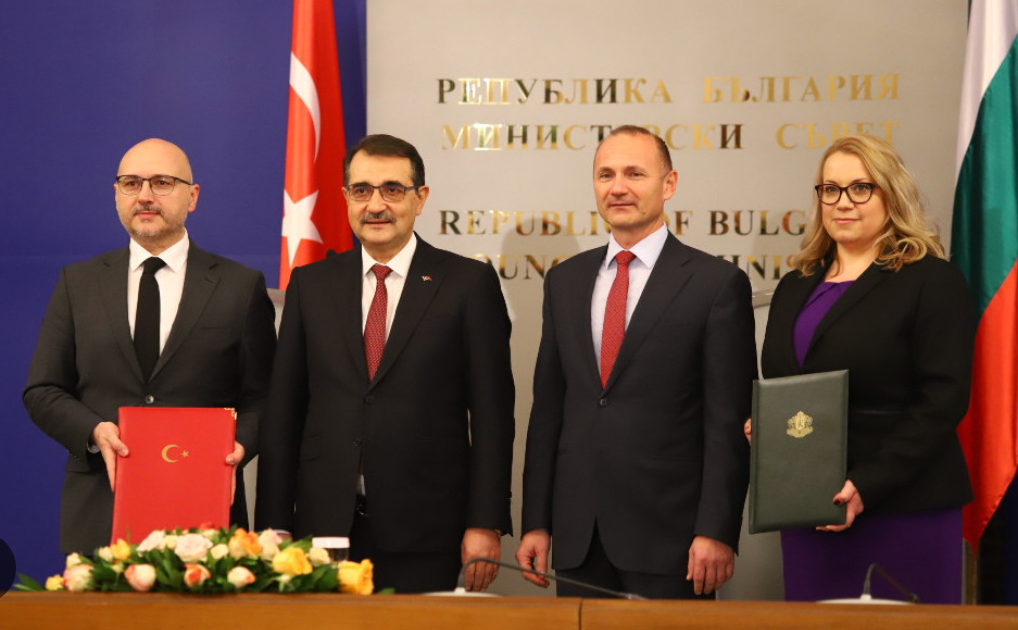 Bulgaria Turkey Gas Deal Suspended: What It Means
Energy cooperation between Bulgaria and Turkey has entered a new phase after both governments agreed to suspend the controversial Bulgaria Turkey gas deal. The decision, announced on 7 July 2026, signals an effort to rebuild bilateral energy relations while addressing long-standing concerns surrounding one of Southeast Europe's most debated natural gas contracts.
The Bulgaria Turkey gas deal has remained under close scrutiny since it was signed. Critics argued that the agreement imposed significant financial obligations on Bulgaria while providing limited flexibility in gas imports. Now, both countries appear willing to reset their approach as Europe continues adapting to a rapidly changing energy landscape.
According to EU Alive, the suspension extends beyond a bilateral policy decision. It reflects broader developments affecting regional energy security, gas infrastructure, and future supply strategies across Europe.
Why the Bulgaria Turkey Gas Deal Became Controversial
The Bulgaria Turkey gas deal was originally signed between Bulgaria's state-owned gas company Bulgargaz and Turkey's state energy company BOTAŞ. The agreement gave Bulgaria access to Turkey's liquefied natural gas infrastructure and transmission network, providing an alternative source of imported gas after Europe accelerated efforts to reduce dependence on Russian energy.
While the objective appeared strategically sound, concerns soon emerged regarding the contract's commercial structure.
Reports suggested that Bulgaria faced substantial fixed capacity payments regardless of actual gas volumes imported, meaning significant costs could continue even if reserved capacity remained underutilised.
As political leadership changed in Bulgaria, the agreement increasingly became the subject of parliamentary investigations and public debate.
A Strategic Reset Between Bulgaria and Turkey
Rather than terminating cooperation altogether, the latest decision pauses the Bulgaria Turkey gas deal while both governments review future options.
Interestingly, officials from both countries have emphasised that energy cooperation remains important. The current objective appears to focus on creating a more balanced framework that benefits both sides without generating unnecessary financial burdens.
Turkey continues to strengthen its position as a regional energy hub connecting Europe, Central Asia, and the Middle East. Bulgaria, meanwhile, remains committed to diversifying gas supplies while improving energy security.
The suspension therefore represents an opportunity to redesign the relationship instead of weakening it.
Europe's Energy Market Continues to Evolve
The Bulgaria Turkey gas deal arrives at a time when Europe's energy market continues adjusting to structural changes that began several years ago.
Following the disruption of traditional Russian gas supplies, European countries expanded investments in liquefied natural gas terminals, interconnectors, storage facilities, and cross-border infrastructure.
Supply diversification has become a central pillar of European energy policy.
New suppliers from the United States, Qatar, Norway, Azerbaijan, and North Africa have helped reshape regional gas flows. Turkey has also expanded its strategic role by increasing LNG import capacity and strengthening pipeline connections with neighbouring countries.
Against this backdrop, every major infrastructure agreement now carries greater geopolitical and commercial significance.
Market Implications for Natural Gas
Although the suspension of the Bulgaria Turkey gas deal does not immediately reduce gas supply, it introduces additional uncertainty regarding future transportation arrangements.
Energy traders generally monitor several factors when evaluating regional gas developments:
- Cross-border transmission capacity
- LNG import flexibility
- Storage availability
- Infrastructure utilisation
- Government energy policy
At present, European gas storage levels remain relatively comfortable, helping reduce immediate supply concerns.
However, market participants understand that contractual changes involving strategic infrastructure can influence pricing expectations, particularly ahead of higher seasonal demand during winter months.
Natural gas futures may therefore remain sensitive to further negotiations between Bulgaria and Turkey.
Turkey's Growing Position as an Energy Hub
Turkey has invested heavily in recent years to become one of Europe's most important energy transit centres.
The country connects multiple pipeline systems while expanding LNG terminals capable of receiving shipments from global exporters.
The original Bulgaria Turkey gas deal formed part of this broader strategy by allowing neighbouring countries to access Turkish infrastructure more efficiently.
If revised successfully, a new agreement could strengthen Turkey's role even further while providing Bulgaria with improved commercial terms.
Such an outcome would support regional energy integration without increasing dependency on any single supplier.
Investors Will Watch the Next Round of Negotiations
Energy agreements increasingly influence financial markets because they affect inflation expectations, industrial production costs, and long-term investment decisions.
The suspension of the Bulgaria Turkey gas deal therefore extends beyond diplomacy. It may also shape future investment across regional infrastructure, utilities, and energy companies.
Investors will closely monitor whether both governments negotiate revised commercial conditions or introduce an entirely new framework for cross-border gas cooperation.
Any agreement offering greater pricing flexibility and improved capacity utilisation could strengthen confidence in Southeast Europe's energy market.
Regional Cooperation Remains the Priority
The decision to suspend the Bulgaria Turkey gas deal highlights how Europe's energy strategy continues to evolve in response to changing economic and geopolitical realities.
Reliable energy supplies remain essential for economic stability, industrial competitiveness, and consumer confidence. Governments across the region are increasingly seeking agreements that balance energy security with commercial sustainability.
For financial markets, the latest development serves as another reminder that infrastructure contracts can influence much more than physical gas flows. They also affect investor sentiment, regional cooperation, and expectations surrounding Europe's long-term energy transition.
As discussions continue, market participants will be watching closely for signs that Bulgaria and Turkey can transform the Bulgaria Turkey gas deal into a more sustainable partnership that supports both national interests and regional energy resilience.
DISCLAIMER: Derivative products carry high risk and may result in the loss of your entire invested capital. Before trading, ensure you fully understand the legal framework, product characteristics, and your broker’s trading rules. Always trade responsibly and with caution.
RISK WARNING: Margin trading with leverage is not suitable for all investors due to its high risk. THERE ARE NO GUARANTEED RETURNS in trading. Beware of any claims promising assured profits. Only use capital you can afford to lose. Before engaging in any transaction, ensure you understand the risks and assess both your experience and risk tolerance.
