

Bozor tahlili
Why Are Gasoline Prices Still High? Trump Wants Answers
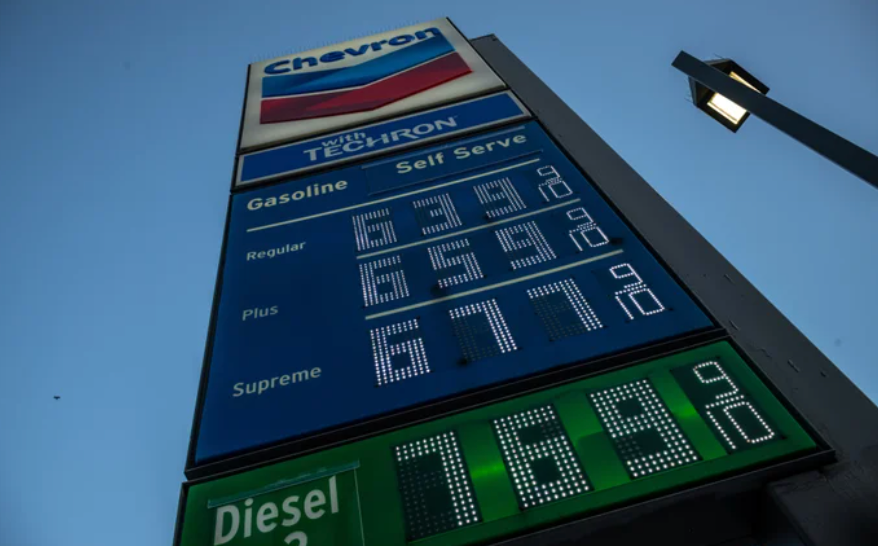 Gasoline Price Investigation: DOJ Review
A gasoline price investigation ordered by Trump is drawing attention to fuel costs, oil companies, and inflation concerns across the US economy.
The U.S. energy sector has come under renewed attention after President Donald Trump called for a gasoline price investigation into whether consumers are being unfairly charged at the pump. The request, reported by Reuters on June 24, 2026, directs the U.S. Department of Justice to examine potential gasoline price "gouging" by oil companies following a period of elevated fuel costs.
The development arrives at a sensitive time for energy markets. Crude oil prices have experienced significant volatility in recent weeks due to geopolitical tensions in the Middle East, concerns surrounding global shipping routes, and uncertainty regarding future supply conditions. Yet despite some moderation in crude prices, gasoline prices in several regions have remained elevated.
This gap between oil prices and retail fuel prices has intensified public scrutiny and placed the gasoline price investigation at the center of market discussions.
Why the Gasoline Price Investigation Was Requested
The latest gasoline price investigation stems from concerns that fuel retailers and oil companies may not be passing lower wholesale costs on to consumers quickly enough.
Historically, gasoline prices tend to rise rapidly when crude oil becomes more expensive. However, when oil prices decline, retail fuel prices often fall at a slower pace. This phenomenon has long generated debate among policymakers, economists, and consumer advocacy groups.
According to Reuters, President Trump questioned whether recent gasoline pricing accurately reflected underlying market conditions and instructed federal authorities to review industry practices.
The announcement immediately attracted attention across financial markets.
Interestingly, accusations of gasoline price gouging are not unique to one administration or political party. Similar concerns have emerged during previous periods of energy market disruption, particularly when consumers face rising transportation costs and inflation pressures.
The current gasoline price investigation therefore reflects a recurring challenge that policymakers encounter whenever fuel prices become a major public concern.
Energy Markets Remain Under Pressure
The broader backdrop for the gasoline price investigation is a global energy market still adjusting to geopolitical uncertainty.
Recent tensions involving Iran, shipping activity near the Strait of Hormuz, and concerns regarding oil supply routes have contributed to sharp fluctuations in energy prices. Market participants have closely monitored developments due to the strategic importance of the region for global crude exports.
Although some fears surrounding supply disruptions have eased, traders remain cautious.
Oil prices are influenced by a complex combination of factors including production levels, refinery capacity, transportation costs, seasonal demand patterns, and geopolitical developments. As a result, gasoline prices do not always move in perfect alignment with crude oil benchmarks.
That distinction is important. A gasoline price investigation may determine whether pricing behavior reflects legitimate market dynamics or whether additional factors are contributing to higher costs for consumers.
Inflation Concerns Continue to Influence Policy
Fuel costs play a significant role in inflation expectations.
Gasoline prices affect household budgets directly, while also influencing transportation expenses throughout the economy. Higher fuel costs can increase the price of goods and services, creating broader inflationary pressures.
As a result, the gasoline price investigation extends beyond the energy sector alone.
Central banks, policymakers, businesses, and investors all monitor fuel prices because of their impact on economic activity. Even modest changes in gasoline costs can influence consumer spending behavior, business profitability, and inflation forecasts.
This explains why political leaders often respond quickly when fuel prices become a national issue.
Potential Implications for Oil Companies
The announcement of a gasoline price investigation may create additional uncertainty for energy companies in the near term.
Oil producers, refiners, distributors, and fuel retailers could face increased scrutiny regarding pricing practices and profit margins. Investors may also pay closer attention to regulatory developments affecting the sector.
However, any investigation will likely need to account for the complexities of fuel pricing.
Gasoline prices are influenced by refining capacity, transportation expenses, regional taxes, inventory levels, environmental regulations, and local competition. These factors can create significant price differences between regions even when crude oil costs remain relatively stable.
Industry representatives have frequently argued that market forces, rather than coordinated actions, explain many pricing variations observed by consumers.
The outcome of the gasoline price investigation may therefore depend on how regulators evaluate these competing explanations.
What Investors Are Watching
Financial markets are now evaluating whether the gasoline price investigation could influence broader energy policy discussions.
Investors will be monitoring several key developments:
- Statements from federal agencies involved in the investigation
- Responses from energy companies and industry representatives
- Movements in oil and gasoline futures markets
- Global crude supply conditions and geopolitical developments
- Inflation data and consumer spending trends
Attention will also remain focused on global crude supply conditions. Any significant changes in production levels, geopolitical risks, or transportation routes could alter the pricing environment regardless of regulatory actions.
Meanwhile, inflation data will continue to play an important role.
If fuel prices remain elevated, concerns regarding consumer spending and inflationary pressure could persist. Conversely, a sustained decline in energy costs may help ease some of the economic concerns that have emerged throughout recent months.
The Broader Market Picture
The gasoline price investigation highlights how closely energy markets remain tied to politics, inflation, and consumer sentiment.
Energy prices influence nearly every part of the economy. From transportation and manufacturing to retail spending and monetary policy, fuel costs remain one of the most closely watched economic indicators.
Whether the investigation ultimately uncovers wrongdoing or simply reinforces existing market explanations, the announcement underscores the importance of energy affordability within the broader economic landscape.
For investors, the situation serves as another reminder that commodity markets rarely operate in isolation. Oil prices, gasoline costs, inflation expectations, and government policy frequently intersect, creating ripple effects that extend well beyond the energy sector itself.
DISCLAIMER: Derivative products carry high risk and may result in the loss of your entire invested capital. Before trading, ensure you fully understand the legal framework, product characteristics, and your broker’s trading rules. Always trade responsibly and with caution.
RISK WARNING: Margin trading with leverage is not suitable for all investors due to its high risk. THERE ARE NO GUARANTEED RETURNS in trading. Beware of any claims promising assured profits. Only use capital you can afford to lose. Before engaging in any transaction, ensure you understand the risks and assess both your experience and risk tolerance.
