

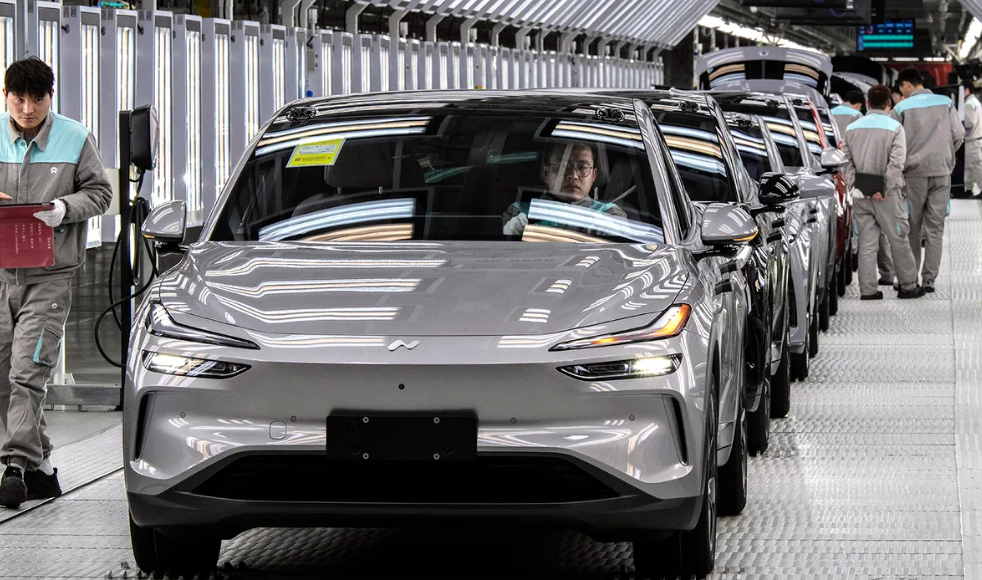
 Chinese EV Technology Reshapes India's Auto Market
India's electric vehicle sector is expanding rapidly, yet one of the world's largest groups of electric vehicle manufacturers remains largely absent from the country's roads. Chinese automakers have faced significant obstacles entering India directly, but recent developments suggest that Chinese EV technology is finding alternative pathways into the market.
According to Reuters (June 24, 2026), Chinese electric vehicle manufacturers remain effectively shut out of India due to political tensions, regulatory restrictions, and investment scrutiny. However, the story does not end there. While Chinese brands may be missing from showroom floors, Chinese EV technology is increasingly appearing through partnerships, component suppliers, software systems, and engineering collaborations.
This evolving trend is becoming an important development within the global automotive industry. It highlights how technology can cross borders even when companies themselves face barriers to entry.
India's EV Market Continues to Expand
India has emerged as one of the most promising electric vehicle markets in the world. Government incentives, environmental goals, rising fuel costs, and growing consumer interest have accelerated EV adoption across the country. Major domestic manufacturers have increased investment in electric mobility, while policymakers continue to support long-term electrification initiatives.
At the same time, India is working to strengthen local manufacturing capabilities. Authorities have encouraged automakers to establish domestic production facilities and reduce dependence on imported components. This strategy aims to create jobs, strengthen supply chains, and position India as a major automotive manufacturing hub.
Yet despite these ambitions, the development of advanced EV systems often requires access to global expertise. This is where Chinese EV technology enters the discussion. China remains the world's largest electric vehicle market and home to some of the industry's most advanced battery, software, and manufacturing ecosystems.
Why Chinese EV Makers Face Challenges in India
The limited presence of Chinese automakers in India is largely tied to geopolitical developments over recent years. Following border tensions between the two countries, India tightened investment reviews for Chinese companies and adopted a more cautious approach toward strategic sectors. Several Chinese automotive expansion plans encountered regulatory hurdles, slowing their ability to establish a meaningful presence.
As a result, many leading Chinese EV manufacturers have struggled to enter the India EV market directly. However, technology and expertise often move differently than finished products. Interestingly, while vehicle brands may encounter restrictions, suppliers, technology providers, engineering services, and component manufacturers can still participate through various commercial arrangements.
That distinction is becoming increasingly important for the future of Chinese EV technology in India. The separation between regulatory restrictions on companies and the flow of technology represents a critical shift in how the automotive sector adapts to geopolitical pressures.
Technology Transfers Are Shaping the Industry
Reports indicate that Indian automakers are increasingly incorporating technologies that originated within China's EV ecosystem. This includes:
- Battery systems and power management solutions
- Electric drivetrains and motor technology
- Manufacturing processes and automation
- Software platforms and vehicle control systems
- Supply chain expertise and logistics optimization
The growth of Chinese EV technology reflects China's dominant position within several critical segments of the electric vehicle industry. Battery production provides a clear example. Chinese companies have spent years building large-scale battery manufacturing capabilities, resulting in extensive technical knowledge and cost advantages. As demand for electric vehicles grows globally, many automakers continue seeking access to these capabilities regardless of broader geopolitical tensions.
For Indian manufacturers competing in a price-sensitive market, advanced technology can offer a meaningful competitive advantage. Consumers increasingly evaluate electric vehicles based on driving range, charging speed, software functionality, and affordability. Achieving these goals often requires access to proven technologies and efficient supply chains.
The Global EV Supply Chain Remains Interconnected
The rise of Chinese EV technology within India highlights a broader reality of the global automotive industry: supply chains have become deeply interconnected. A vehicle assembled in one country may rely on:
- Batteries from another region
- Semiconductor components from multiple suppliers
- Software developed elsewhere
- Raw materials sourced globally
- Manufacturing expertise spanning continents
As governments pursue industrial policies designed to strengthen domestic manufacturing, complete separation remains difficult.
Even when automakers themselves face restrictions, the technologies powering modern electric vehicles frequently travel through international networks that connect manufacturers across continents.This dynamic has become especially visible in the EV sector, where innovation cycles move rapidly and competition remains intense. Consequently, companies often prioritize access to technology and expertise regardless of political complexities.
Strategic Implications for Investors
Investors are paying close attention to developments involving Chinese EV technology because they provide insight into future industry trends. The global EV market is expected to remain highly competitive throughout the coming decade. Companies that can combine cost-efficient manufacturing with advanced technology are likely to maintain strong competitive positions.
India's growing EV market adds another layer of opportunity. As adoption rates increase, demand for batteries, charging infrastructure, software solutions, and vehicle components is expected to expand significantly. This creates opportunities for both domestic and international suppliers.
A Market Shaped by Technology Rather Than Borders
The Reuters report illustrates an important shift taking place across the global automotive sector. While governments can regulate market access for companies, controlling the movement of technology is often more complex. Innovation tends to find pathways through partnerships, licensing agreements, supplier relationships, and manufacturing collaborations.
For India, the challenge involves balancing domestic industrial development with access to world-class technology. For Chinese firms, the objective is maintaining global relevance despite increasing geopolitical scrutiny. As electric vehicle adoption accelerates worldwide, the influence of Chinese EV technology is likely to remain a significant factor in industry development.
Whether through direct investment, supply chain partnerships, or technology transfers, China's EV expertise continues shaping markets far beyond its borders, including one of the world's most important automotive growth destinations. The future of India's electric vehicle sector will undoubtedly be influenced by how effectively Chinese EV technology integrates into the country's automotive ecosystem through these alternative channels.
