

Bozor tahlili
Asian Stock Market Volatility Returns as Tech Shares Trigger Investor Caution
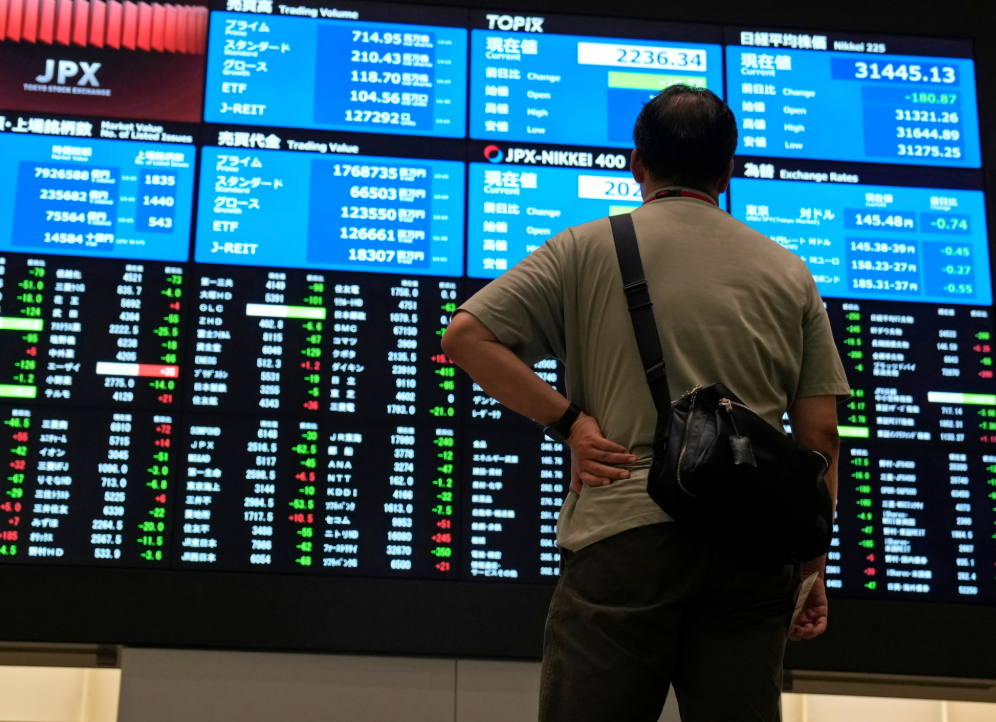 Asian stock market volatility: Tech sector impact
Meta Description: Asian stock market volatility surged after technology stocks declined. Geopolitical tensions and interest rate uncertainty impact regional investor sentiment and equities.
Asian stock markets experienced a mixed trading session on June 24, 2026, as investors reacted to a renewed technology sector selloff that unsettled sentiment across global financial markets. The latest decline in technology shares has once again placed Asian stock market volatility at the center of investor discussions, particularly as valuations remain elevated and geopolitical uncertainties continue to influence capital flows.
According to Reuters, regional markets struggled to establish a clear direction after weakness in major U.S. technology companies spilled into Asian trading hours. While some markets managed to stabilize, others faced renewed selling pressure as traders reassessed risk exposure following recent gains.
The return of Asian stock market volatility highlights a recurring theme in 2026. Markets have demonstrated resilience throughout the year, yet sudden shifts in investor sentiment continue to produce sharp movements across equities, currencies, and commodities.
Technology Stocks Remain a Key Market Driver
The recent bout of Asian stock market volatility was largely driven by weakness in technology-related shares. Technology companies have been among the strongest performers globally over the past several years, with continued expansion in artificial intelligence, cloud computing, semiconductor demand, and digital infrastructure investment supporting impressive earnings growth across the sector.
However, strong performance often comes with heightened expectations. When valuations become stretched, even minor disappointments can trigger significant price adjustments. Investors have become increasingly sensitive to earnings forecasts, guidance revisions, and macroeconomic developments that could affect future growth.
Interestingly, the technology sector's influence now extends far beyond the United States. Asian markets contain some of the world's most important semiconductor manufacturers, electronics exporters, and technology suppliers. As a result, weakness in U.S. technology shares frequently translates into broader Asian stock market volatility. This interconnected relationship continues to shape trading patterns throughout the region.
Investor Sentiment Faces New Challenges
Market participants entered the week with relatively strong optimism following periods of improved risk appetite across global markets. That optimism has become more fragile, as investors are currently balancing several competing narratives:
- Economic activity remains relatively stable in many major economies
- Uncertainty surrounding interest rates, inflation trends, and geopolitical developments creates caution
- Corporate earnings forecasts face increased scrutiny
The latest increase in Asian stock market volatility reflects this delicate balance. Fund managers and institutional investors often adjust portfolio allocations when volatility rises. Defensive sectors may attract inflows, while growth-oriented investments face temporary selling pressure. Such rotations do not necessarily signal a broader market downturn; instead, they often represent efforts to manage risk during periods of uncertainty.
Nevertheless, market sentiment can shift quickly. A few percentage points of movement in major technology stocks can influence billions of dollars in portfolio decisions worldwide.
Why Volatility Remains Elevated in 2026
Several factors continue to support elevated Asian stock market volatility this year:
- Interest Rate Expectations: Investors continue monitoring signals from major central banks regarding future monetary policy decisions. Any changes in expectations can rapidly affect equity valuations, particularly within technology sectors that depend heavily on future earnings growth.
- Geopolitical Developments: Recent tensions across several regions have increased uncertainty regarding trade flows, energy markets, and global supply chains. Even when immediate economic impacts appear limited, investor confidence can be affected by the possibility of future disruptions.
- Currency Fluctuations: Movements in the U.S. dollar and Japanese yen often affect export-oriented economies and multinational corporations throughout the region.
Together, these factors contribute to recurring episodes of Asian stock market volatility, even during periods when broader economic conditions remain relatively stable.
Regional Markets Show Different Reactions
One notable aspect of the latest market movement is the varying response among Asian economies. Some markets demonstrated resilience despite weakness in technology shares, while others experienced larger declines due to their heavier exposure to semiconductor and technology-related industries.
Japan's equity market, for example, remains particularly sensitive to developments within the global technology supply chain. South Korea and Taiwan face similar dynamics due to the importance of semiconductor exports.
Elsewhere, markets with greater exposure to financial services, consumer sectors, or domestic demand have sometimes shown greater stability during periods of technology weakness. These differences highlight an important reality: the term Asian stock market volatility may describe a regional trend, but individual markets often react differently depending on their economic structure and sector composition.
Understanding those distinctions has become increasingly important for investors navigating today's interconnected financial landscape.
What Investors Are Watching Next
Attention is now shifting toward upcoming economic releases, corporate earnings updates, and central bank commentary. Investors will be looking for clues regarding the sustainability of economic growth, inflation trends, and future policy decisions.
For now, the latest rise in Asian stock market volatility serves as a reminder that market confidence remains sensitive to changing expectations. Periods of strong gains are often followed by phases of reassessment. That pattern has defined much of the investment landscape in 2026. While long-term growth themes remain intact, investors continue to navigate an environment where sentiment can change quickly and market reactions can be amplified by global interconnectedness.
DISCLAIMER: Derivative products carry high risk and may result in the loss of your entire invested capital. Before trading, ensure you fully understand the legal framework, product characteristics, and your broker’s trading rules. Always trade responsibly and with caution.
RISK WARNING: Margin trading with leverage is not suitable for all investors due to its high risk. THERE ARE NO GUARANTEED RETURNS in trading. Beware of any claims promising assured profits. Only use capital you can afford to lose. Before engaging in any transaction, ensure you understand the risks and assess both your experience and risk tolerance.
