

Bozor tahlili
China Tightens Rare Earth Export Rules on US Companies
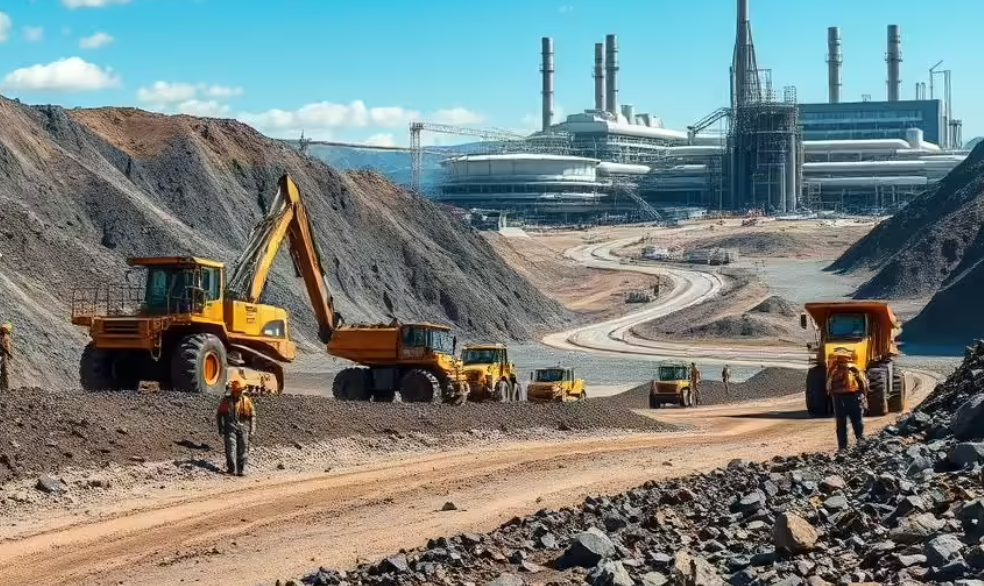 Rare Earth Export Controls: China's New Strategy
Fresh tensions between the world's two largest economies are once again drawing attention to global supply chains. On 22 June 2026, China announced new measures targeting selected US firms through expanded rare earth export controls, a move that could have implications for manufacturing, technology production, and international trade flows.
According to Reuters, the latest restrictions affect access to certain rare earth materials and related products that are essential to a wide range of industries. The announcement comes as trade and technology competition between China and the United States continues to evolve, with both countries increasingly using regulatory tools to protect strategic interests.
For investors, policymakers, and multinational corporations, the development highlights the growing importance of rare earth export controls in shaping the future of global industry.
Why Rare Earth Export Controls Matter
Rare earth elements may not be widely known outside industrial circles, yet they play a critical role in modern economies. These minerals are used in semiconductors, electric vehicles, defence systems, smartphones, renewable energy equipment, and advanced manufacturing technologies.
Because of their importance, access to supply has become a strategic concern for governments around the world. China remains the dominant player in this market, accounting for a significant share of global rare earth processing and production capacity.
As a result, any change involving rare earth export controls immediately attracts attention from manufacturers and financial markets. The latest measures suggest that China is willing to use its position within critical mineral supply chains as part of its broader economic strategy.
US-China Competition Continues to Intensify
The expansion of rare earth export controls reflects a broader pattern that has emerged over recent years. The United States and China have increasingly introduced measures affecting technology transfers, advanced manufacturing, semiconductor production, and strategic resources. These actions have extended beyond traditional tariffs and entered areas considered vital to long-term economic and national security interests.
According to Reuters, several US firms are among those affected by the latest Chinese restrictions. While the immediate commercial impact remains uncertain, the move is likely to reinforce concerns among companies that depend on stable access to critical minerals.
Interestingly, businesses are becoming increasingly accustomed to operating in an environment where geopolitical developments can influence supply chains almost overnight. This trend is reshaping investment decisions across multiple industries.
Supply Chains Could Face New Challenges
One of the most significant consequences of expanded rare earth export controls is the potential impact on global supply chains. Manufacturers that rely on rare earth materials often have limited alternatives available in the short term.
Establishing new mining operations, processing facilities, and transportation networks requires substantial investment and can take years to develop. As a result, any disruption involving rare earth export controls has the potential to create uncertainty regarding future supply availability.
- Electronics manufacturers dependent on rare earth components
- Aerospace and defence contractors requiring specialized materials
- Electric vehicle producers needing rare earth magnets
- Renewable energy technology companies with rare earth dependencies
Companies involved in these sectors may be particularly sensitive to changes in supply conditions. Investors will therefore be closely monitoring whether the restrictions lead to delays, higher costs, or sourcing challenges within key industries.
The Strategic Importance of Critical Minerals
The growing focus on rare earth export controls highlights a broader global trend. Critical minerals have become increasingly important as economies transition toward advanced technologies and cleaner energy systems.
Governments around the world are investing heavily in electric vehicles, battery production, artificial intelligence infrastructure, and renewable energy projects. Each of these sectors requires access to specialised materials.
Consequently, countries are placing greater emphasis on securing reliable supply chains for strategic resources. A single regulatory decision affecting rare earth export controls can influence industries ranging from consumer electronics to military technology. That level of influence explains why policymakers are paying such close attention to mineral security.
The latest developments may accelerate efforts by various countries to diversify supply sources and reduce dependency on any single market.
Financial Markets Assess the Risks
Investors have become increasingly sensitive to developments involving rare earth export controls. Companies linked to mining, mineral processing, advanced manufacturing, and technology production often experience market reactions when supply chain risks emerge.
Market participants are therefore evaluating both the risks and opportunities associated with the latest announcement. Several analysts note that previous episodes involving rare earth export controls have encouraged governments and corporations to accelerate investments in domestic production capabilities. Whether those efforts can significantly reduce reliance on Chinese supplies remains an important question.
A Turning Point for Global Resource Strategy
The expansion of rare earth export controls serves as another reminder that critical minerals are no longer simply industrial commodities. They have become strategic assets that influence trade policy, economic competitiveness, and technological development.
Businesses across multiple sectors are likely to reassess supply chain resilience as they evaluate the potential implications of the latest restrictions. Meanwhile, governments may continue pursuing policies aimed at securing access to critical resources through:
- Domestic production capabilities
- International strategic partnerships
- Alternative supply networks and agreements
For now, the immediate market impact remains manageable. However, the latest move underscores how rare earth export controls have become a central factor in the evolving relationship between China, the United States, and the global economy.
DISCLAIMER: Derivative products carry high risk and may result in the loss of your entire invested capital. Before trading, ensure you fully understand the legal framework, product characteristics, and your broker’s trading rules. Always trade responsibly and with caution.
RISK WARNING: Margin trading with leverage is not suitable for all investors due to its high risk. THERE ARE NO GUARANTEED RETURNS in trading. Beware of any claims promising assured profits. Only use capital you can afford to lose. Before engaging in any transaction, ensure you understand the risks and assess both your experience and risk tolerance.
