

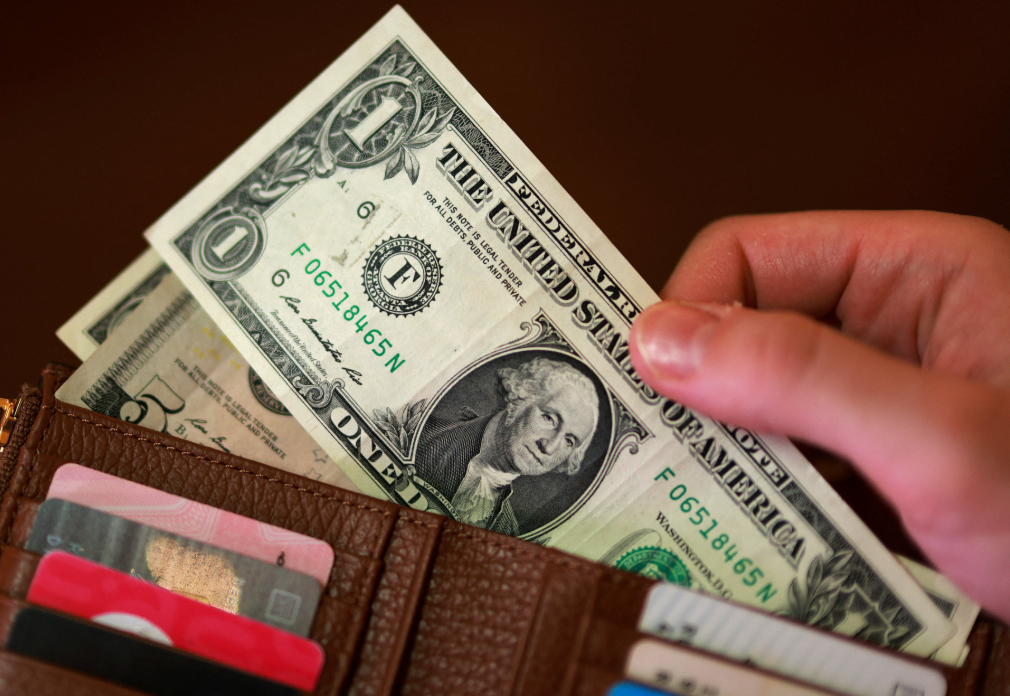
 US Dollar Strengthens Amid Geopolitical Doubts
The US Dollar strengthened on 22 June 2026 as investors reassessed the durability of a recently announced peace agreement in the Middle East. While initial reports of progress had supported risk appetite across financial markets, emerging doubts about the agreement's stability quickly shifted sentiment.
According to Reuters, the US Dollar firmed against several major currencies after signs appeared that the peace deal could face significant obstacles. The development encouraged investors to seek safety, reinforcing demand for the world's primary reserve currency.
The renewed move higher in the US Dollar highlights how closely currency markets remain tied to geopolitical developments. When uncertainty rises, investors often gravitate toward assets perceived as safer and more liquid. In many cases, the US Dollar remains the preferred destination.
Why the US Dollar Is Rising Again
The latest gains in the US Dollar reflect a familiar market pattern. Whenever geopolitical tensions intensify or confidence in diplomatic progress weakens, investors tend to reduce exposure to risk-sensitive assets. Stocks, emerging market currencies, and higher-yielding investments can experience pressure as capital shifts toward safer alternatives.
The US Dollar often benefits from this process because of its unique role in the global financial system. International trade, government reserves, commodity transactions, and financial contracts are heavily linked to the currency. Key factors supporting the US Dollar include:
- Dominance in international trade settlements
- Widespread use in government foreign exchange reserves
- Pricing mechanism for global commodities
- Deep and liquid financial markets
As concerns emerged regarding the peace agreement, traders increased their holdings of the US Dollar. The move was not driven solely by military risks. Instead, it reflected broader uncertainty about the economic consequences that could follow if tensions escalate once again.
Interestingly, currency markets frequently react before other asset classes. Foreign exchange traders tend to process geopolitical information rapidly, making the US Dollar one of the first indicators of changing market sentiment.
Safe-Haven Demand Returns
The concept of a safe-haven currency remains central to understanding the recent rise in the US Dollar. Safe-haven assets attract investment during periods of uncertainty. Investors are generally less focused on maximizing returns and more concerned with preserving capital.
The US Dollar continues to hold a dominant position in this category due to the size of the American economy, the depth of U.S. financial markets, and the liquidity available through dollar-denominated assets. As doubts surrounding the peace agreement resurfaced, demand for the US Dollar increased across major currency pairs. The Dollar Index, which measures the US Dollar against a basket of international peers, also found support.
This reaction demonstrates how geopolitical developments can quickly alter market positioning. One headline suggesting diplomatic progress may weaken the US Dollar, while another questioning that progress can reverse sentiment within hours. That reality has become increasingly evident throughout 2026.
Pound Weakens Amid Political Questions
While the US Dollar gained ground, the British pound faced additional pressure. According to Reuters, uncertainty surrounding UK Prime Minister Keir Starmer's political position contributed to weakness in sterling. Investors often dislike political uncertainty, particularly when it emerges alongside broader geopolitical concerns.
As a result, the pound slipped against the US Dollar, extending recent volatility in the GBP/USD exchange rate. Currency traders are now evaluating multiple sources of risk simultaneously. Questions surrounding international diplomacy are being assessed alongside domestic political developments in several major economies. This combination has strengthened the appeal of the US Dollar relative to other major currencies.
For investors and businesses involved in international trade, these movements can have meaningful consequences. Exchange rate fluctuations affect:
- Import costs for goods and services
- Export competitiveness for domestic producers
- Corporate earnings and profitability
- Investment returns across asset classes
What the Stronger US Dollar Means for Global Markets
A stronger US Dollar often creates ripple effects throughout the global financial system. Commodity markets are one example. Since commodities such as oil and gold are typically priced in US Dollars, a stronger currency can influence demand patterns and pricing dynamics. When the US Dollar rises, these commodities become more expensive for international buyers using other currencies.
Emerging markets may also feel the impact of a stronger US Dollar. Many governments and corporations hold debt denominated in US Dollars. When the US Dollar rises, servicing those obligations can become more expensive in local currency terms. Investors are therefore watching the recent rise in the US Dollar closely.
The move extends beyond currency markets and may influence broader asset allocation decisions. A shift in sentiment surrounding a single peace agreement can affect borrowing costs, trade flows, investment portfolios, and central bank decisions across multiple continents. The interconnected nature of today's financial system means that developments in one region often carry global implications.
The strengthening US Dollar demonstrates how quickly market sentiment can shift in response to geopolitical developments, reflecting the currency's critical role in the global economy.
Markets Remain Focused on Incoming Headlines
At present, the direction of the US Dollar will likely remain tied to geopolitical developments and investor confidence. Should diplomatic efforts regain momentum, demand for safe-haven assets could ease. In that scenario, the US Dollar may surrender some of its recent gains as investors return to riskier assets.
However, if concerns continue to grow and uncertainty deepens, the US Dollar could maintain its upward trajectory. For now, markets appear to be taking a cautious approach. Investors are monitoring every statement from political leaders, every update from negotiators, and every signal that may reveal whether the peace agreement can withstand increasing pressure.
The latest move in the US Dollar serves as a reminder that confidence remains one of the most valuable currencies in global markets. When confidence weakens, safe-haven demand often strengthens. Once again, the US Dollar is benefiting from that relationship. As long as geopolitical uncertainties persist, the US Dollar is likely to remain a focal point for investors seeking stability and security in their portfolios.
