

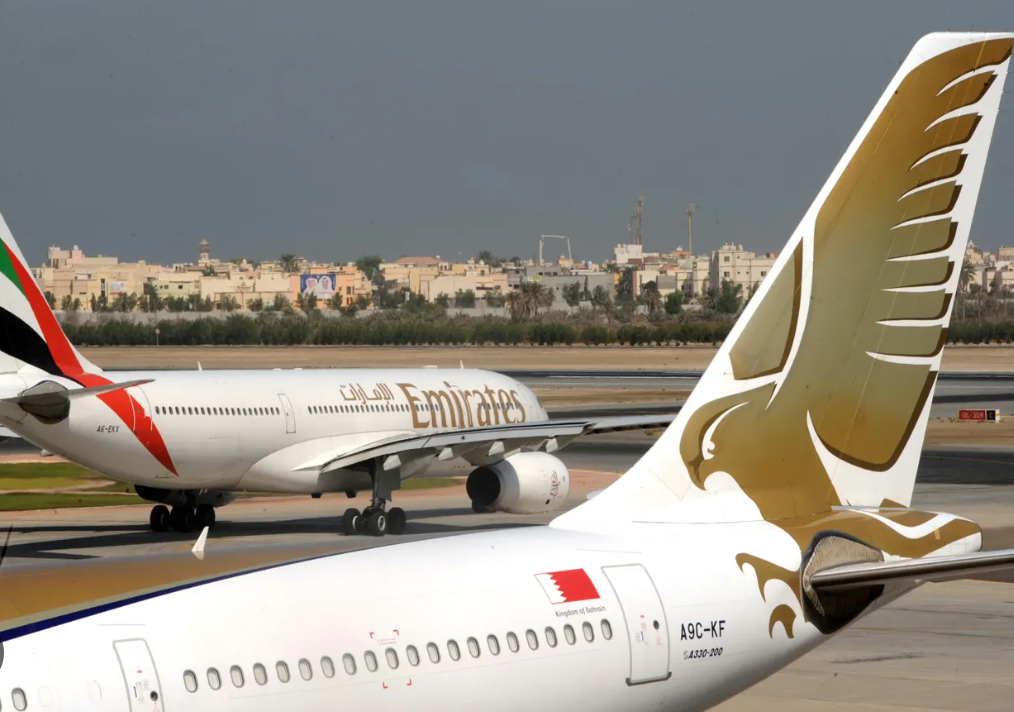
 Gulf Airlines Move Closer to Full Operations
Recent geopolitical tensions created significant challenges for Gulf airlines. Several carriers were forced to reroute flights, suspend services, or adjust schedules due to changing security conditions across parts of the Middle East. These disruptions increased operating costs while creating uncertainty for travellers.
According to Reuters on 19 June 2026, flight activity has now recovered substantially, with many Gulf airlines operating close to pre-conflict levels. Major hubs across the region are once again handling large volumes of international passengers and connecting flights. The speed of the recovery has surprised some industry analysts, as commercial aviation often takes months to recover after major disruptions.
Yet the latest data suggests that both airlines and travellers were eager to resume normal operations once conditions stabilised. This resilience reflects the strategic role that Gulf airlines play within global transportation networks.
Why Gulf Airlines Matter to Global Travel
The importance of Gulf airlines extends far beyond the Middle East. Over the past two decades, the region has established itself as one of the world's most significant aviation hubs. Carriers operating from cities such as Dubai, Abu Dhabi, Doha, and other major Gulf centres connect passengers across Europe, Asia, Africa, and North America.
Millions of travellers rely on Gulf airlines each year for international transit routes. As a result, disruptions in the region often affect travel patterns worldwide. When flight schedules are interrupted, airlines, airports, cargo operators, tourism businesses, and multinational corporations can all experience knock-on effects.
The return of Gulf airlines to near-normal operations therefore carries implications for global mobility, business travel, and international trade. This demonstrates how interconnected modern aviation has become, with regional carriers serving as essential connectors in the broader transportation network.
Strong Travel Demand Supports Recovery
One of the key drivers behind the rebound in Gulf airlines has been sustained travel demand. Despite temporary disruptions, consumers have shown a continued willingness to travel for both leisure and business purposes. International tourism remains strong in many destinations, while corporate travel has also recovered across numerous sectors.
The aviation industry has repeatedly demonstrated its ability to bounce back from unexpected challenges. Whether facing economic slowdowns, health crises, or geopolitical tensions, airlines often experience a rapid recovery once confidence begins to return. The latest performance of Gulf airlines appears to follow a similar pattern.
Passengers who delayed travel plans during periods of uncertainty are gradually returning, helping airlines rebuild passenger volumes and restore route networks. This trend underscores the underlying strength of demand for international connectivity through Gulf airlines and their hub operations.
The Economic Importance of Aviation in the Gulf
The recovery of Gulf airlines is also important from a broader economic perspective. Aviation plays a central role in many Gulf economies. Airlines support tourism, logistics, trade, hospitality, and employment across the region. Airports serve as major economic hubs that generate significant revenue and attract international investment.
When Gulf airlines operate efficiently, the benefits extend well beyond the aviation sector itself. Governments across the region have invested heavily in airport infrastructure, airline expansion, and tourism initiatives over the past decade. These investments have helped transform several Gulf cities into leading global transportation centres.
The latest recovery suggests that these long-term strategies continue to deliver value even during periods of disruption, demonstrating the resilience of Gulf airlines and their supporting ecosystems.
What Investors Are Watching
The performance of Gulf airlines remains closely linked to several factors that investors continue to monitor:
- Fuel prices: Airlines typically face pressure when oil prices rise significantly, as fuel costs represent a major portion of operating expenses.
- Geopolitical stability: While flight activity has recovered, investors will continue assessing potential risks that could affect regional travel patterns.
- Passenger demand: This remains a key indicator for the sustainability of the recovery in Gulf airlines operations.
- Route expansion: The ability of Gulf airlines to restore and expand international routes signals confidence in long-term regional stability.
The fact that Gulf airlines have returned close to pre-war flight levels within a relatively short period highlights the strength of underlying demand for international air travel. This suggests that consumers and businesses remain willing to travel despite periods of uncertainty.
A Sign of Growing Confidence
The recovery of Gulf airlines offers a broader message about the current state of the aviation industry. Markets often focus on disruption, uncertainty, and risk. Yet the latest data demonstrates how quickly transportation networks can adapt when conditions improve.
While challenges remain, the return of Gulf airlines to near pre-war operating levels reflects growing confidence across the aviation sector and the wider economy. For investors, businesses, and travellers alike, it represents a meaningful sign that one of the world's most important transportation corridors is steadily returning to normal operations and sustained growth.
The resilience demonstrated by Gulf airlines during this recovery period underscores their critical importance to global aviation networks and regional economic development for years to come.
