

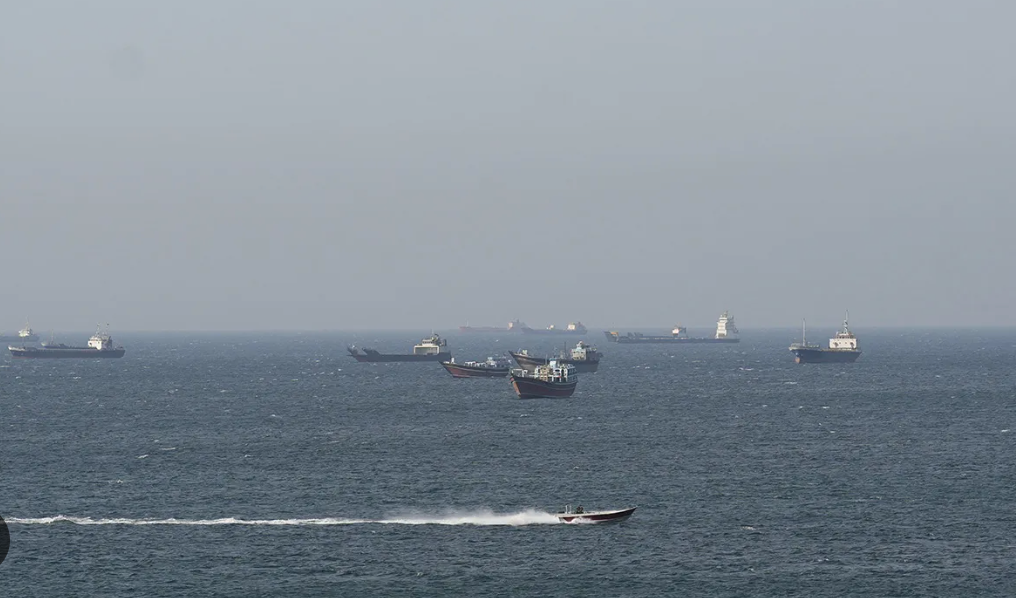
 Strait of Hormuz Toll-Free Deal Boosts Markets
Global markets received a significant boost on June 16, 2026, after reports confirmed that the United States and Iran had agreed to keep the Strait of Hormuz toll-free for the next 60 days under a preliminary diplomatic framework. The announcement represents one of the most important developments for global energy markets this year, particularly after months of disruption, military tensions, and uncertainty surrounding one of the world's most critical shipping routes.
The Strait of Hormuz toll-free agreement comes alongside a broader ceasefire arrangement designed to reduce tensions and restore commercial activity across the region. While both sides appear aligned on maintaining unrestricted shipping access during the 60-day period, disagreements remain regarding what happens once the temporary arrangement expires.
For investors, however, the immediate market reaction has been clear. Risk premiums in energy markets have started to decline, crude oil prices have moved lower, and equity markets have responded positively to the prospect of improved regional stability.
Why the Strait of Hormuz Matters
The Strait of Hormuz is widely regarded as one of the most important maritime chokepoints in the world. Roughly one-fifth of global oil supplies pass through the narrow waterway connecting the Persian Gulf to international markets. Any disruption to traffic in the region can have far-reaching consequences for:
- Oil prices and energy security
- Inflation expectations in major economies
- Shipping costs and maritime insurance rates
- Broader economic growth across import-dependent nations
Over recent months, restrictions on shipping activity, military confrontations, and uncertainty over transit rights have significantly disrupted normal trade flows. Insurance costs surged, tanker movements slowed, and concerns over potential supply shortages pushed oil prices higher.
The new Strait of Hormuz toll-free agreement is intended to address these issues by allowing vessels to pass through the strategic route without additional transit charges during the next 60 days. According to statements linked to the agreement, commercial shipping will be allowed to resume under a framework designed to stabilize maritime traffic and support international trade.
Immediate Impact on Oil Markets
The market response was almost instantaneous. Brent crude and West Texas Intermediate prices declined sharply as traders reassessed supply risks associated with the region. The possibility of uninterrupted energy flows through the Strait of Hormuz reduced concerns about shortages that had previously supported elevated oil prices.
Several analysts noted that oil markets had already priced in a substantial geopolitical risk premium. Once the Strait of Hormuz toll-free agreement was announced, that premium began to unwind.
"The unwinding of the geopolitical risk premium is a direct consequence of the eased transit conditions in the Strait of Hormuz. Markets had been bracing for prolonged disruption, and this agreement removes the most immediate pressure point."
This does not necessarily mean oil prices will continue falling indefinitely. Energy traders remain cautious because many of the broader issues between Washington and Tehran remain unresolved. Questions surrounding sanctions, nuclear negotiations, and long-term maritime security are still being actively discussed.
Nevertheless, the agreement provides a temporary window of stability that could support more balanced supply conditions throughout the summer.
Global Stocks Welcome Reduced Geopolitical Risk
The positive reaction was not limited to energy markets. Equity markets around the world advanced as investors welcomed the reduction in geopolitical tensions associated with the Strait of Hormuz. Major US indices moved higher, while Asian and European markets also benefited from improved sentiment. The prospect of lower energy costs and fewer supply chain disruptions provided broad support across multiple sectors.
Among the beneficiaries were:
- Technology shares, which tend to benefit from lower inflation expectations
- Transportation companies, which face direct exposure to fuel costs
- Industrial firms, for which energy costs represent a significant operational input
Lower oil prices can reduce operating costs, while greater certainty around global trade routes tends to improve business confidence. A single maritime corridor, when reopened under a toll-free arrangement, can influence everything from airline fuel expenses to manufacturing costs and consumer inflation. That is precisely why the Strait of Hormuz toll-free agreement has attracted so much attention from financial markets worldwide.
What Investors Should Watch Next
Despite the optimism, several uncertainties remain. The current Strait of Hormuz toll-free agreement covers only a 60-day period. Beyond that timeframe, the United States and Iran appear to have differing views regarding future shipping arrangements and broader diplomatic commitments.
Negotiations are expected to continue over issues including:
- Sanctions relief and the scope of any economic concessions
- Nuclear program restrictions and verification mechanisms
- Regional security arrangements and proxy conflict management
- Long-term shipping access through the Strait of Hormuz
Any breakdown in discussions could quickly reintroduce volatility into energy markets. Investors should also monitor actual shipping activity. While the agreement has been announced, the normalization of vessel traffic may take time due to logistical challenges, insurance requirements, and the backlog of ships affected by previous disruptions. As a result, the economic benefits of the Strait of Hormuz toll-free agreement may emerge gradually rather than immediately.
Broader Implications for Financial Markets
From a macroeconomic perspective, the agreement could have implications that extend well beyond crude oil. Lower energy prices may ease inflation pressures that have concerned central banks in recent months. Reduced transportation costs could support global trade activity, while improved market confidence may encourage risk-taking across equity and credit markets.
At the same time, geopolitical developments remain highly fluid. Markets have seen several periods of optimism during previous negotiations surrounding the Strait of Hormuz, only to face renewed uncertainty later.
For now, however, investors appear willing to focus on the positive aspects of the deal. The Strait of Hormuz toll-free agreement has provided financial markets with a rare source of relief after months of tension. Whether that optimism proves justified will depend largely on the success of the next phase of negotiations and the willingness of both sides to maintain the current momentum. As traders assess incoming developments, the Strait of Hormuz will remain one of the most closely watched locations in the global economy.
