

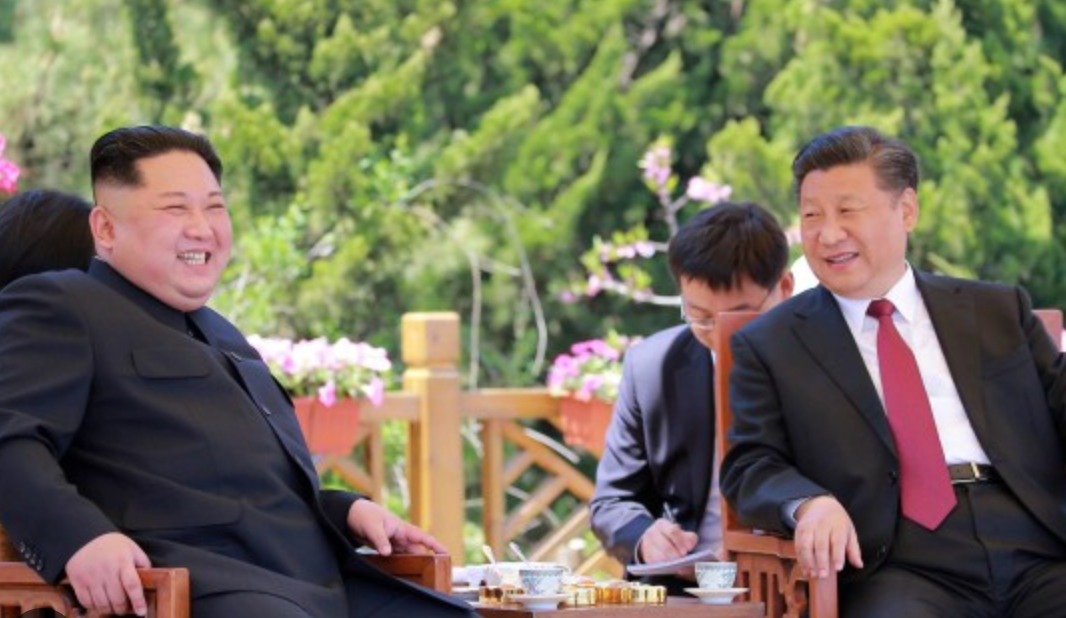
 Xi Jinping North Korea Visit: Key Impacts
Chinese President Xi Jinping is set to visit North Korea for the first time in seven years, marking a significant diplomatic development that has captured the attention of investors, policymakers, and geopolitical analysts worldwide.
The Xi Jinping North Korea visit comes at a time when regional tensions remain elevated, particularly surrounding North Korea's nuclear program, strategic alliances, and broader security concerns in East Asia. The visit is widely viewed as an effort by Beijing to reaffirm its influence over Pyongyang while strengthening bilateral ties between the two neighboring countries.
While financial markets often focus on economic indicators, major geopolitical events can also influence investor sentiment. As a result, the Xi Jinping North Korea visit has become an important development for market participants monitoring risk across Asia and beyond.
Why the Xi Jinping North Korea Visit Matters
The relationship between China and North Korea remains one of the most strategically important partnerships in Asia.
China is North Korea's largest trading partner and primary economic lifeline. Over the years, Beijing has played a critical role in maintaining stability on the Korean Peninsula while balancing its relationships with the United States, South Korea, Japan, and other regional stakeholders.
The Xi Jinping North Korea visit therefore carries significance beyond ceremonial diplomacy. It offers insight into how China intends to manage regional security challenges during a period of heightened geopolitical competition.
Interestingly, high-level visits between the two nations have historically coincided with major diplomatic developments. Investors often examine such meetings for clues regarding future policy direction, security cooperation, and economic engagement.
Beijing Tests Its Influence Over Pyongyang
Analysts believe one objective of the Xi Jinping North Korea visit is to assess and potentially strengthen China's influence over North Korean leader Kim Jong Un.
North Korea has continued to advance its military capabilities in recent years, creating ongoing concerns among neighboring countries and Western governments. At the same time, China has sought to maintain stability while avoiding a deterioration in regional security conditions.
China's strategic interests are deeply connected to maintaining a predictable environment along its border. Any escalation involving North Korea could create economic, political, and security challenges that extend beyond the Korean Peninsula.
The Xi Jinping North Korea visit may therefore provide an opportunity for Beijing to engage directly with North Korean leadership on issues ranging from economic cooperation to regional security concerns.
Whether this engagement results in meaningful policy changes remains uncertain. Nevertheless, the visit itself sends a clear signal regarding China's commitment to maintaining close ties with Pyongyang.
Market Implications Across Asia
The Xi Jinping North Korea visit is not solely a political event. Financial markets are also evaluating its potential implications.
Geopolitical stability remains an important factor for investment decisions across Asia. Any development that reduces uncertainty can support investor confidence, while escalating tensions often encourage defensive positioning.
- Currency markets may react to shifts in regional diplomatic sentiment.
- Equity indices across Asia could see short-term volatility depending on outcomes.
- Commodity prices, particularly energy, remain sensitive to Northeast Asian security developments.
Asian equity markets have generally demonstrated resilience in recent years despite recurring geopolitical tensions. However, significant diplomatic developments can still influence short-term market movements.
For institutional investors, the Xi Jinping North Korea visit provides valuable information regarding China's broader regional strategy and its approach toward managing geopolitical risks.
The Nuclear Question Remains Central
A major focus surrounding the Xi Jinping North Korea visit is the future of North Korea's nuclear program.
Despite years of negotiations, sanctions, and diplomatic engagement, substantial progress toward denuclearization has remained elusive. North Korea continues to regard its nuclear capabilities as a central component of national security strategy.
China has traditionally advocated dialogue and diplomatic engagement as the preferred path toward reducing tensions. The upcoming visit may offer an opportunity to revisit discussions surrounding regional security arrangements and confidence-building measures.
However, expectations should remain measured. Diplomatic breakthroughs involving complex security issues rarely occur overnight. More often, high-level meetings serve as platforms for communication, relationship-building, and strategic coordination rather than immediate policy transformation.
Even so, the Xi Jinping North Korea visit may provide important clues regarding future diplomatic efforts.
What Investors Will Be Watching
Market participants will closely analyze official statements, joint communiques, and diplomatic outcomes resulting from the visit.
Several key questions are likely to dominate discussions:
- Will China announce new economic cooperation initiatives with North Korea?
- Could there be signals regarding future negotiations on regional security issues?
- Might the visit reduce uncertainty surrounding North Korea's international posture?
Answers to these questions could influence investor perceptions regarding geopolitical risk across Asia.
At the same time, broader macroeconomic trends remain the primary drivers of financial markets. Interest rates, economic growth, inflation, and trade activity continue to exert substantial influence over investment decisions.
The Xi Jinping North Korea visit therefore represents one important factor within a larger global market landscape.
Regional Dynamics Under the Spotlight
The Xi Jinping North Korea visit represents one of the most closely watched diplomatic events in Asia this year. Beyond the symbolism of the meeting, investors are focused on what it may reveal about China's regional ambitions, North Korea's future direction, and the broader security environment.
While immediate market reactions may be limited, geopolitical developments often shape long-term investor sentiment. The visit underscores China's continuing role as a central player in regional diplomacy and highlights the importance of stability across one of the world's most strategically significant regions.
As global markets navigate an increasingly complex geopolitical environment, the Xi Jinping North Korea visit serves as a reminder that diplomacy, security, and economic confidence remain closely interconnected.
