

Bozor tahlili
OPEC+ Holds Oil Output Steady as Middle East Supply Risks Keep Prices Elevated
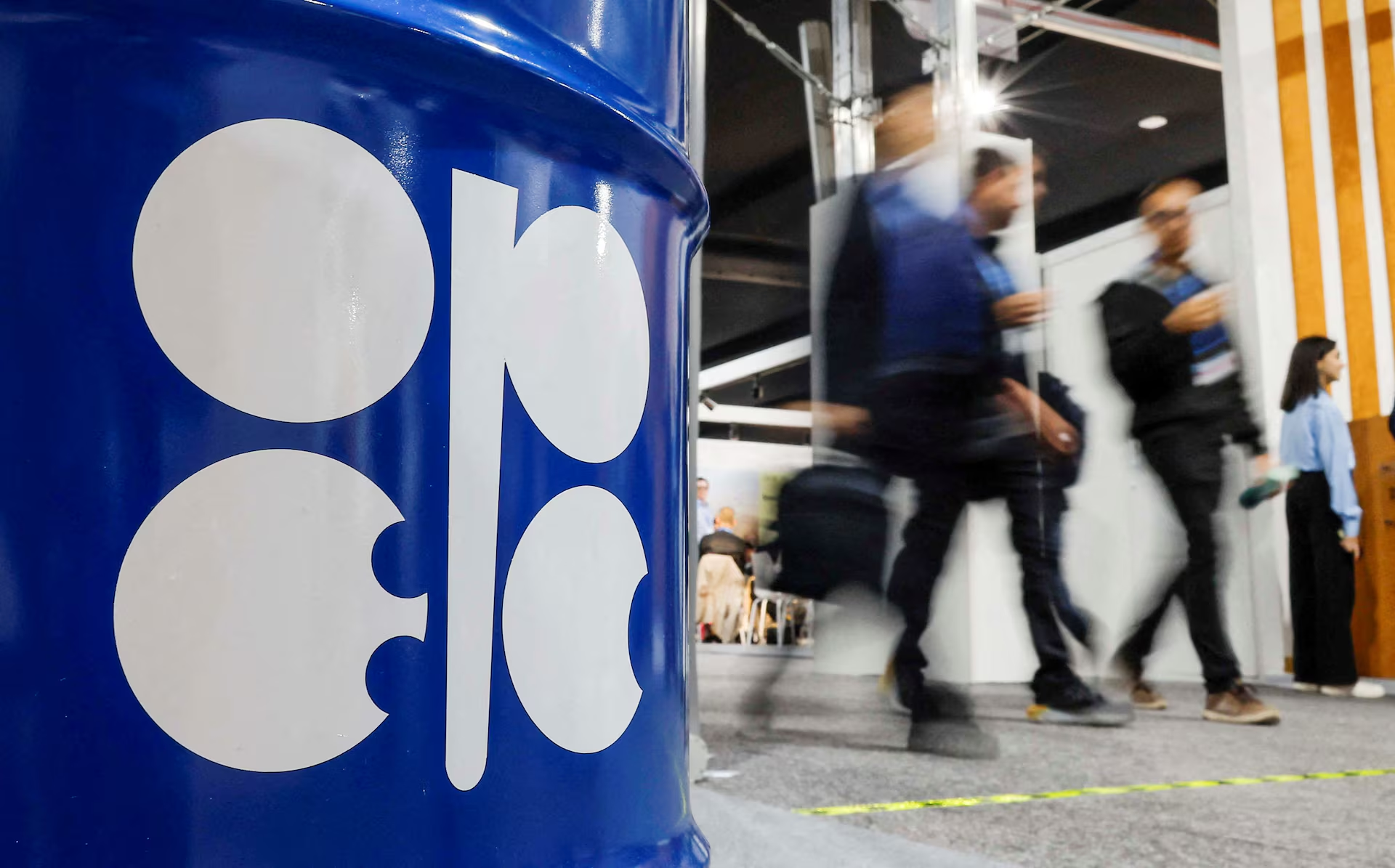
OPEC+ Holds Oil Output Steady as Middle East Supply Risks Keep Prices Elevated
Oil markets remain tightly focused on supply risks after OPEC+ agreed to keep its November production targets unchanged, while continuing disruptions linked to the conflict in the Middle East keep global crude markets under pressure.
The decision came as Brent crude remained above $100 a barrel, significantly higher than levels seen before the Iran conflict began in late February. Reuters reported that the seven core OPEC+ producers maintained their November output ceilings at Sunday's meeting.
At the same time, fresh attacks involving Yemen's Iran-backed Houthis and Saudi energy infrastructure have added another layer of uncertainty to the supply outlook. Reuters reported that oil prices rose on Monday following the reported attacks.
OPEC+ Keeps November Production Targets Unchanged
OPEC+ agreed to leave November oil production targets unchanged, broadly matching market expectations.
The decision involved seven core members: Saudi Arabia, Russia, Iraq, Kuwait, Algeria, Kazakhstan and Oman.
The decision is important because the group has been gradually increasing production targets throughout 2026.
However, actual production has remained significantly below those targets because geopolitical disruptions have affected exports.
According to Reuters, the seven core OPEC+ members produced around 25 million barrels per day in August, an increase from July but still approximately 5 million barrels per day below pre-war levels.
This gap between nominal production targets and actual supply is becoming increasingly important for oil traders.
Middle East Disruptions Keep the Market Tight
Oil prices remain highly sensitive to developments surrounding Middle Eastern supply routes.
OPEC+ noted that supply remained constrained because of ongoing disruptions connected with the conflict involving Iran.
The situation has also affected expectations surrounding the Strait of Hormuz, one of the world's most important energy transportation routes.
Although flows through the Strait have improved, supply has not fully returned to normal levels.
This means that even relatively small disruptions can produce an outsized response in crude prices when inventories and spare capacity are already being closely monitored.
Fresh Houthi Attacks Add to Supply Concerns
The oil market received another geopolitical shock on Monday after Yemen's Iran-backed Houthis said they had launched ballistic missiles and drones toward Saudi Aramco sites.
Reuters reported that oil prices rose following the claims, with Brent crude trading around the $102 level in early trading.
The significance goes beyond the immediate price reaction.
Saudi Arabia remains one of the world's most important oil producers, meaning any disruption involving its production or export infrastructure can quickly affect global risk assessments.
For traders, developments surrounding Saudi energy facilities therefore remain an important short-term catalyst for crude prices.
Why OPEC+ Policy Matters
OPEC+ production decisions influence the balance between global oil supply and demand.
When production increases faster than demand, inventories can build and prices may come under pressure.
When supply growth is constrained while demand remains stable, the opposite can occur.
The current market presents a particularly complicated situation because OPEC+ has been raising production targets, but geopolitical disruptions have prevented much of the planned additional supply from reaching the market.
Reuters noted that OPEC+ still has around 2 million barrels per day of output cuts in place covering most members.
Higher Oil Prices Could Complicate Inflation
The implications of elevated oil prices extend beyond the energy sector.
Crude oil affects transportation, manufacturing, logistics and consumer prices.
If oil remains above $100 for an extended period, businesses may face higher operating costs while consumers could experience renewed pressure on fuel and transportation expenses.
This creates an additional challenge for central banks.
Higher energy prices can make inflation more persistent even when underlying demand begins to moderate.
That could complicate expectations for future interest-rate cuts or pauses across major economies.
Oil and the Federal Reserve
The oil market is also closely connected to US monetary policy.
Higher crude prices can increase inflation expectations, potentially reducing the Federal Reserve's ability to ease policy quickly.
This relationship is particularly important now because US employment data has already reduced expectations for an October Fed rate hike.
If oil prices continue rising, markets could begin reassessing that relatively dovish interpretation.
On the other hand, a stabilization in crude prices could allow investors to focus more heavily on the weakening US labour-market outlook.
Impact on Energy and Equity Markets
Higher crude prices can benefit energy producers while increasing costs for oil-consuming industries.
Energy companies may benefit from stronger realized prices and improved cash flows.
However, airlines, transportation companies, manufacturers and other energy-intensive businesses may face margin pressure.
This creates an increasingly differentiated environment across equity markets.
Investors may therefore focus on the relative sensitivity of individual sectors rather than treating higher oil prices as uniformly positive or negative for equities.
What Investors Are Watching
Key developments for the oil market include:
- Actual OPEC+ production levels
- Developments around the Strait of Hormuz
- Saudi and Gulf energy infrastructure
- Middle East military developments
- Global crude inventories
- US oil production
- OPEC+ policy meetings
- Changes in global demand expectations
The next major OPEC+ meeting is scheduled for November 1, according to Reuters.
Market Outlook
Oil markets enter the new week with prices elevated and supply risks still firmly in focus.
OPEC+'s decision to keep November output targets unchanged provides little immediate additional supply relief, while actual production remains below nominal quotas because of ongoing geopolitical disruptions.
At the same time, renewed attacks involving Saudi energy infrastructure could add further risk premium to crude prices.
For traders, the relationship between OPEC+ supply, Middle East disruptions, oil prices and inflation expectations will remain one of the key market themes during October.
A sustained move above current levels could increase inflation concerns and influence monetary-policy expectations, while an improvement in supply conditions could quickly reduce the geopolitical premium embedded in crude prices.
DISCLAIMER: Derivative products carry high risk and may result in the loss of your entire invested capital. Before trading, ensure you fully understand the legal framework, product characteristics, and your broker’s trading rules. Always trade responsibly and with caution.
RISK WARNING: Margin trading with leverage is not suitable for all investors due to its high risk. THERE ARE NO GUARANTEED RETURNS in trading. Beware of any claims promising assured profits. Only use capital you can afford to lose. Before engaging in any transaction, ensure you understand the risks and assess both your experience and risk tolerance.
