

مارکیٹ بصیرت
South Korea Interest Rate Hike Signals Policy Shift After Three Years
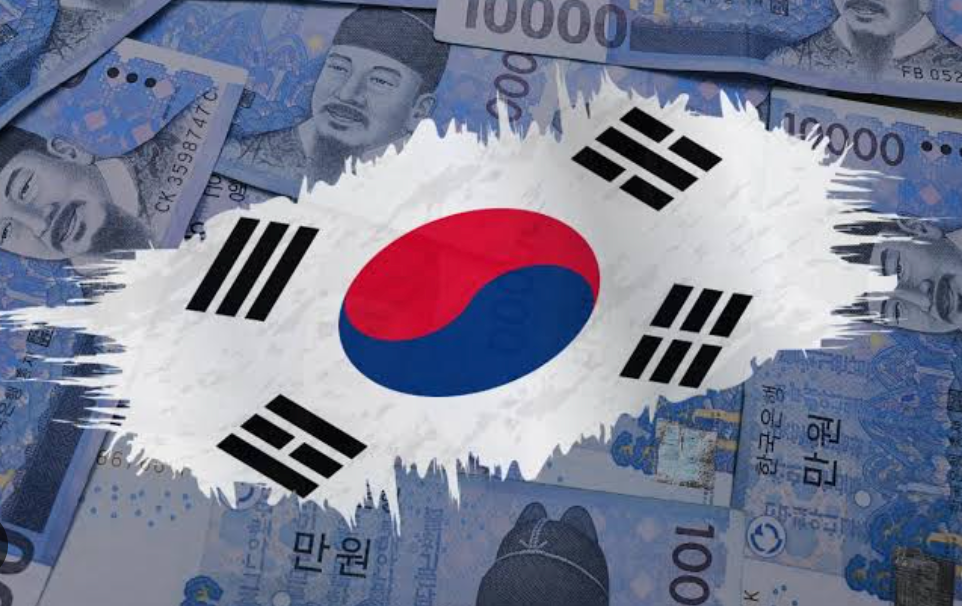
Financial markets are preparing for a significant policy shift as the South Korea interest rate hike moves closer to becoming reality. According to a Reuters survey published on July 14, economists overwhelmingly expect the Bank of Korea to raise its benchmark interest rate on July 16, marking the country's first rate increase in more than three years.
The anticipated decision represents an important turning point for South Korea's monetary policy. After maintaining an accommodative stance to support economic growth, policymakers now appear increasingly focused on managing inflationary pressures and preserving financial stability.
Investors across Asia are paying close attention. A South Korea interest rate hike could influence currency markets, regional bond yields, equity valuations, and expectations for other central banks facing similar economic conditions.
Why the South Korea Interest Rate Hike Matters
The expected South Korea interest rate hike follows months of improving economic indicators and persistent concerns over inflation.
According to the Reuters poll, most economists believe the Bank of Korea has reached the point where maintaining exceptionally low borrowing costs is no longer appropriate. Consumer prices have remained above the central bank's target for an extended period, while household debt continues to attract regulatory attention.
Interestingly, central banks rarely adjust interest rates based on a single economic report. Instead, they assess a wide range of indicators, including:
- Inflation trends
- Employment levels
- Consumer spending
- Wage growth
- Currency stability
- Financial market conditions
That broader assessment now appears to support tighter monetary policy. If implemented, the July decision would represent the first increase since the tightening cycle ended more than three years ago.
Inflation Remains a Key Priority
Inflation continues to be one of the primary reasons behind the expected South Korea interest rate hike.
Although headline inflation has moderated compared with previous peaks, price pressures remain sufficiently elevated to concern policymakers. Rising service costs, resilient domestic demand, and external factors such as energy prices have all contributed to keeping inflation above comfortable levels.
Higher interest rates are designed to reduce demand across the economy by increasing borrowing costs for households and businesses:
- Mortgage payments become more expensive
- Consumer loans carry higher interest charges
- Corporate financing also becomes costlier, encouraging companies to moderate spending and investment
Over time, these effects can help slow inflation. That process rarely happens overnight, however. Monetary policy often works with a delay of several months before its full economic impact becomes visible.
The Korean Won Could Benefit
Currency traders are also watching the expected South Korea interest rate hike closely.
Higher interest rates generally make a country's assets more attractive to international investors seeking better returns. Increased capital inflows can strengthen the domestic currency by raising demand for local financial assets.
For the Korean won, a stronger currency could help reduce imported inflation by lowering the cost of overseas goods and energy purchases.
The Bank of Korea will likely consider these competing forces when determining its future policy path.
Equity Markets Face Mixed Implications
Stock market investors often respond cautiously when interest rates begin rising. The expected South Korea interest rate hike could affect sectors differently rather than producing a uniform market reaction.
Banks and financial institutions frequently benefit from higher interest rates because lending margins may improve. Meanwhile, technology companies and high-growth businesses sometimes experience greater pressure as higher discount rates reduce the present value of future earnings.
Consumer-focused companies may also encounter slower demand if households become more cautious about discretionary spending.
One interest rate decision can influence nearly every corner of the financial market, from mortgage repayments and corporate investment plans to currency valuations and stock prices.
That explains why investors monitor central bank meetings so closely.
Global Central Banks Continue to Shape Market Direction
The anticipated South Korea interest rate hike arrives at a time when monetary policy remains one of the dominant themes across global financial markets.
Major central banks continue to balance inflation control with economic growth. While some policymakers have started easing policy, others remain cautious about declaring victory over inflation.
This divergence has created greater volatility across currency markets as investors compare interest rate expectations between countries.
South Korea's decision could also influence broader sentiment across Asia. Regional investors often view the Bank of Korea as an important signal of how inflation trends are evolving within export-driven Asian economies. A move toward tighter policy may encourage closer scrutiny of other central banks in the region.
Markets Await Guidance Beyond July
Although markets largely expect the South Korea interest rate hike this week, investors remain equally focused on what comes next.
Central bank statements, economic projections, and comments from Governor Rhee Chang-yong could provide valuable clues regarding future policy decisions.
Will additional rate increases follow later this year? Or will policymakers prefer to pause and evaluate incoming economic data before taking further action?
Those questions may prove even more influential than the rate decision itself. Financial markets frequently react less to the initial announcement and more to changes in future expectations.
That makes central bank communication almost as important as the policy action.
A Turning Point for Monetary Policy
The expected South Korea interest rate hike represents more than a routine adjustment to borrowing costs. It signals growing confidence that the economy can withstand tighter financial conditions while reinforcing the Bank of Korea's commitment to price stability.
Investors will continue assessing incoming inflation data, labour market conditions, and consumer spending figures after the July meeting. These indicators will help determine whether the expected rate increase marks the beginning of a broader tightening cycle or simply a measured policy adjustment.
For now, financial markets appear well prepared for the decision. Even so, attention will quickly shift toward the central bank's guidance, as future expectations often carry greater weight than a single South Korea interest rate move.
According to Reuters, this survey-based outlook reflects the consensus view of economists tracking the Bank of Korea's policy trajectory.
DISCLAIMER: Derivative products carry high risk and may result in the loss of your entire invested capital. Before trading, ensure you fully understand the legal framework, product characteristics, and your broker’s trading rules. Always trade responsibly and with caution.
RISK WARNING: Margin trading with leverage is not suitable for all investors due to its high risk. THERE ARE NO GUARANTEED RETURNS in trading. Beware of any claims promising assured profits. Only use capital you can afford to lose. Before engaging in any transaction, ensure you understand the risks and assess both your experience and risk tolerance.
