

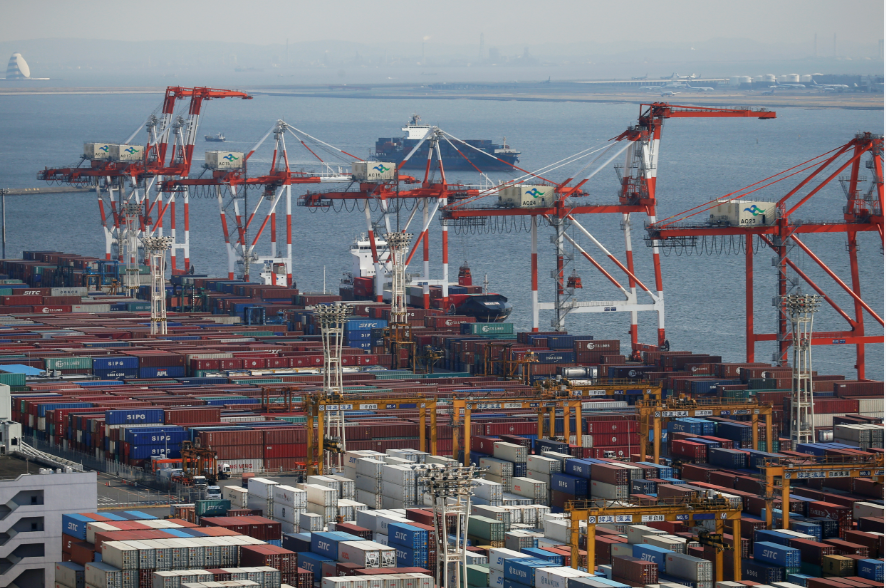
 Japan Exports Growth Rises 11.7% in March 2026
Japan exports growth returned to the spotlight on April 22, 2026, after official data showed a strong 11.7% increase in March. The latest figures reflect a combination of steady global demand and elevated export prices, offering a clearer view of how Japan exports growth is performing in the current environment. According to Reuters, the data signals strength in both trade activity and broader economic momentum.
At first glance, the number appears straightforward. Exports are rising. Yet the underlying dynamics of Japan exports growth are more layered. Is this growth driven by real demand, pricing effects, or currency movements? The answer, as often happens in global trade, sits somewhere in between. The pace of Japan exports growth has exceeded expectations in recent months, raising questions about how sustainable this trend might be.
Primary Drivers of Japan Exports Growth
The latest Japan exports growth data highlights two primary drivers propelling the nation's trade performance. Strong overseas demand continues to support shipments, particularly in key sectors such as:
- Automobiles and automotive components
- Machinery and industrial equipment
- Electronic components and semiconductors
These industries remain central to Japan's export structure and to sustained Japan exports growth. At the same time, higher prices have amplified the value of exports considerably. Even if volumes remain stable, rising prices can push overall export figures higher—a distinction that matters when interpreting the data.
Currency movements also play a significant role in Japan exports growth. A relatively weaker yen has made Japanese goods more competitive abroad, encouraging foreign buyers to increase orders. The impact of exchange rates on trade flows is not new, yet it remains highly relevant in the current economic cycle.
Regional Demand Patterns and Market Variations
Breaking down Japan exports growth by region reveals a nuanced picture of global trade dynamics. Demand from Asia, particularly China, has shown signs of resilience despite ongoing economic adjustments in the region. Shipments to the United States have also contributed meaningfully, supported by steady consumer and industrial demand across multiple sectors.
Europe presents a more mixed outlook for Japan exports growth prospects. While some sectors continue to perform well, broader economic uncertainties have introduced caution into trade flows. This variation underscores how Japan exports growth is influenced by multiple external factors rather than a single dominant market or region.
There is also a sectoral story worth noting. High-value exports, including semiconductors and advanced manufacturing equipment, remain a key strength. These products are closely tied to global technology cycles, which have shown renewed momentum according to Reuters. The concentration in premium goods supports the sustainability of Japan exports growth in competitive international markets.
Trade Balance and Import Cost Pressures
While Japan exports growth has strengthened considerably, imports have also remained elevated. Rising energy costs and raw material prices continue to push import values higher across the board. As a result, the trade balance has not improved as dramatically as export figures alone might suggest to casual observers.
This creates a delicate balancing act for policymakers weighing the benefits of Japan exports growth against domestic economic pressures. Strong exports support economic activity and employment, yet higher import costs can offset some of those gains. Inflationary pressures, particularly in energy sectors, remain an important consideration for long-term sustainability.
The interaction between exports and imports offers a broader perspective on Japan's economic position. Growth on one side does not automatically translate into overall improvement if costs rise simultaneously.
Financial Markets Response and Currency Dynamics
Financial markets have responded with measured optimism to the latest Japan exports growth data, though underlying currents remain complex. The Japanese yen continues to face downward pressure, reflecting ongoing divergence in monetary policy compared to other major economies. According to Reuters analysis, this divergence plays a key role in supporting Japan exports growth.
A weaker yen, while supportive of exports, introduces additional complexity into the economic equation. It can increase import costs, particularly for energy, and contribute to domestic inflationary pressures. This dual effect keeps investors attentive to both trade data and central bank policy signals, making Japan exports growth a closely watched indicator.
Equity markets in Japan, including the Nikkei 225, have shown resilience, supported in part by export-oriented companies benefiting from favorable conditions. However, sentiment remains sensitive to global developments and shifts in international trade patterns.
Broader Economic Implications and Global Context
The strength in Japan exports growth offers important insight into the broader global economic environment. Despite uncertainties, demand for key goods remains intact across multiple regions and industries. Supply chains appear to be functioning more smoothly compared to previous disruptions that characterized earlier post-pandemic years.
At the same time, the reliance on pricing effects to drive Japan exports growth raises important forward-looking questions. If price growth slows, will export momentum continue at current rates? That is a critical question markets are beginning to consider seriously.
There is also a structural dimension to consider. Japan's deliberate focus on high-value exports positions it well in a competitive global landscape. Yet external risks, including geopolitical tensions and shifting trade policies, remain ever-present factors that could impact future Japan exports growth trajectories.
Key Takeaways and Future Outlook
Japan exports growth at 11.7% sends a clear and encouraging signal to observers of the global economy. The country's trade sector remains active and dynamic, supported by sustained demand, favorable pricing conditions, and supportive currency dynamics. Still, the composition of this growth deserves careful attention from policymakers and investors alike.
Markets will likely monitor upcoming data releases closely to track whether the momentum persists. Key questions for the coming months include:
- Will overseas demand for Japanese goods hold steady despite economic uncertainties?
- Will pricing effects ease as supply chains normalize further?
- Will the yen stabilize or continue its depreciation trajectory?
These questions do not have immediate answers, yet they offer a useful framework for understanding the next phase of Japan's economic trajectory and sustained Japan exports growth. For now, the latest figures provide reassurance that global trade activity continues to function productively, even as underlying conditions evolve. According to Reuters, economists remain cautiously optimistic about the sustainability of Japan exports growth in the near term.
