

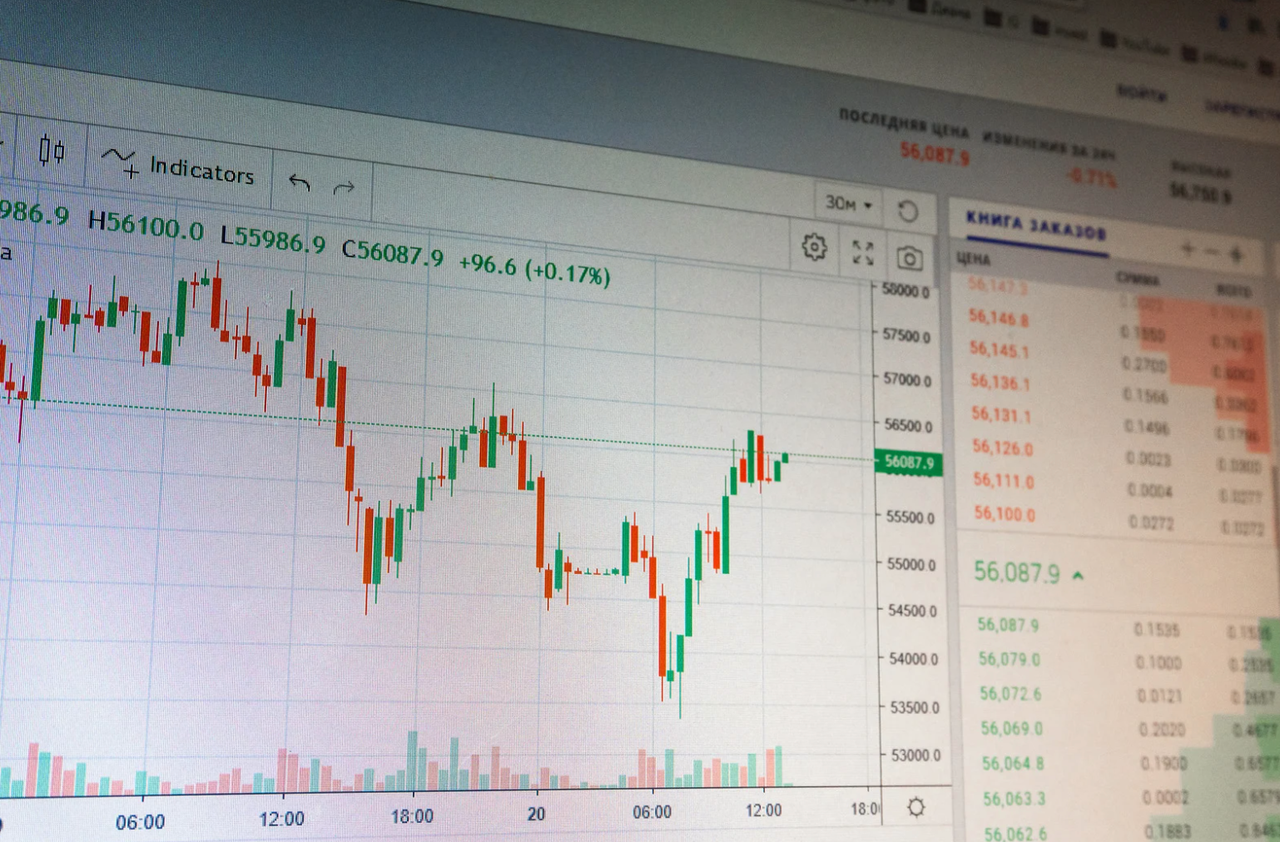
FX Trading Volumes Surge as Institutional Activity Rebounds
Institutional foreign exchange trading volumes experienced a pronounced rise in January 2026 as volatility returned to currency markets at the start of the year. Data from multiple trading platforms indicate that average daily FX trading activity among institutional participants climbed sharply compared with December, reversing the year-end slowdown as market uncertainty intensified. The surge highlights how renewed currency price swings and heightened macroeconomic risk drove institutional desks to rebuild positions and adjust exposures across major pairs.
For foreign exchange markets, early 2026 has brought renewed dynamism. After a relatively subdued December, FX trading activity increased markedly, underpinned by larger swings in USD, EUR, JPY and other major currencies. Institutional players, including banks, asset managers and hedge funds, stepped up their FX trading as they recalibrated to fresh signals from central banks, macro data releases and renewed global economic uncertainty.
FX Trading Activity Rebounds on Renewed Volatility
Institutional FX trading volumes in January reflect a significant rebound following the typical year-end slowdown. According to exchange data, platforms such as FXSpotStream recorded average daily spot volume that was markedly higher than in December. While December’s figures suggested a degree of caution, January’s uptick underlines how FX trading desks responded to renewed volatility with expanded risk taking and position adjustments.
For instance, FXSpotStream’s average daily volume climbed substantially as institutional traders reopened or expanded positions after the holiday period. Cboe’s spot platform likewise registered a notable increase in turnover, pointing to growing activity across U.S. and European time zones. Across European venues, such as Deutsche Börse’s 360T and Euronext FX, average daily FX trading also rose, indicating that regional hedging activity and cross-currency adjustments contributed to overall growth in institutional volumes.
Drivers Behind the Surge in FX Trading
Several factors underlie the renewed strength in FX trading volumes. First, currency markets experienced notable volatility in late January as macroeconomic releases and policy narratives continued to diverge across regions. The dollar’s movements against the euro, yen and sterling prompted active hedging and speculative trades, as institutional participants sought to take advantage of inefficiencies and dislocations in the currency markets.
Second, shifting expectations around monetary policy in major economies contributed to currency market dynamics. Recent central bank communications from the United States Federal Reserve, Bank of Japan and European Central Bank injected fresh uncertainty into interest rate projections and exchange rate expectations. As a result, institutional FX desks responded by reallocating exposures across major currency pairs, increasing both spot and forward activity.
“The January rebound in FX trading is a direct function of returning volatility and institutional capital redeployment,” according to FX News.
Third, renewed risk appetite following the year-end lull likely played a role. With many institutions having reduced positions in December to mitigate potential holiday season volatility, January provided an opportunity to expand trading activity. The return of volatility prompted many desks to deploy capital that was previously sitting on the sidelines, thus contributing to the rise in institutional FX trading volumes.
Institutional Engagement Across Major Currency Pairs
The uptick in FX trading centred on major currency pairs. USD/EUR and USD/JPY remained among the most actively traded, while volatility in other pairs such as EUR/GBP and GBP/JPY also contributed to heightened FX trading volumes. Interestingly, these trends were not uniform across regions; while some venues reported stronger engagement in dollar crosses, others pointed to elevated euro and yen trading as hedging activity increased.
The resurgence of FX trading activity across both spot and electronic communications networks highlights growing institutional interest in global currency markets. For large institutional clients, FX trading is not simply a speculative exercise. It underpins cross-border investment strategies, hedging of currency exposures, and the execution of risk management mandates that respond to macro uncertainty.
Primary objectives for this surge in FX trading include:
- Hedging international portfolio exposures.
- Speculating on central bank policy divergence.
- Managing corporate treasury and liquidity requirements.
Implications for Market Participants
The rebound in institutional FX trading volumes signals several broader implications for currency markets. Heightened activity tends to improve liquidity, reducing bid-ask spreads and facilitating more efficient execution for large orders. At the same time, higher volumes often accompany faster price movements, requiring enhanced risk controls and liquidity management protocols within trading operations.
Importantly, the surge in FX trading volumes also reflects a broader recalibration of market sentiment following the year-end lull. With macro unpredictability persisting and central bank narratives still shifting, institutional players appear poised to remain active participants in currency markets. Whether this elevated level of engagement continues will in part depend on further macroeconomic data and policy guidance in the weeks ahead. This environment, while offering opportunities, demands sophisticated strategy, much like navigating the fast-paced world of digital entertainment where consumer trends shift rapidly.
Key considerations for firms engaged in FX trading now are:
- Continuously monitoring liquidity across multiple venues.
- Re-evaluating hedging ratios in light of new volatility regimes.
- Integrating advanced analytics for real-time risk assessment.
DISCLAIMER: Derivative products carry high risk and may result in the loss of your entire invested capital. Before trading, ensure you fully understand the legal framework, product characteristics, and your broker’s trading rules. Always trade responsibly and with caution.
RISK WARNING: Margin trading with leverage is not suitable for all investors due to its high risk. THERE ARE NO GUARANTEED RETURNS in trading. Beware of any claims promising assured profits. Only use capital you can afford to lose. Before engaging in any transaction, ensure you understand the risks and assess both your experience and risk tolerance.
