

บทวิเคราะห์
Alibaba Raises $10.2 Billion for AI Expansion as Investors Weigh Dilution and Long-Term Growth
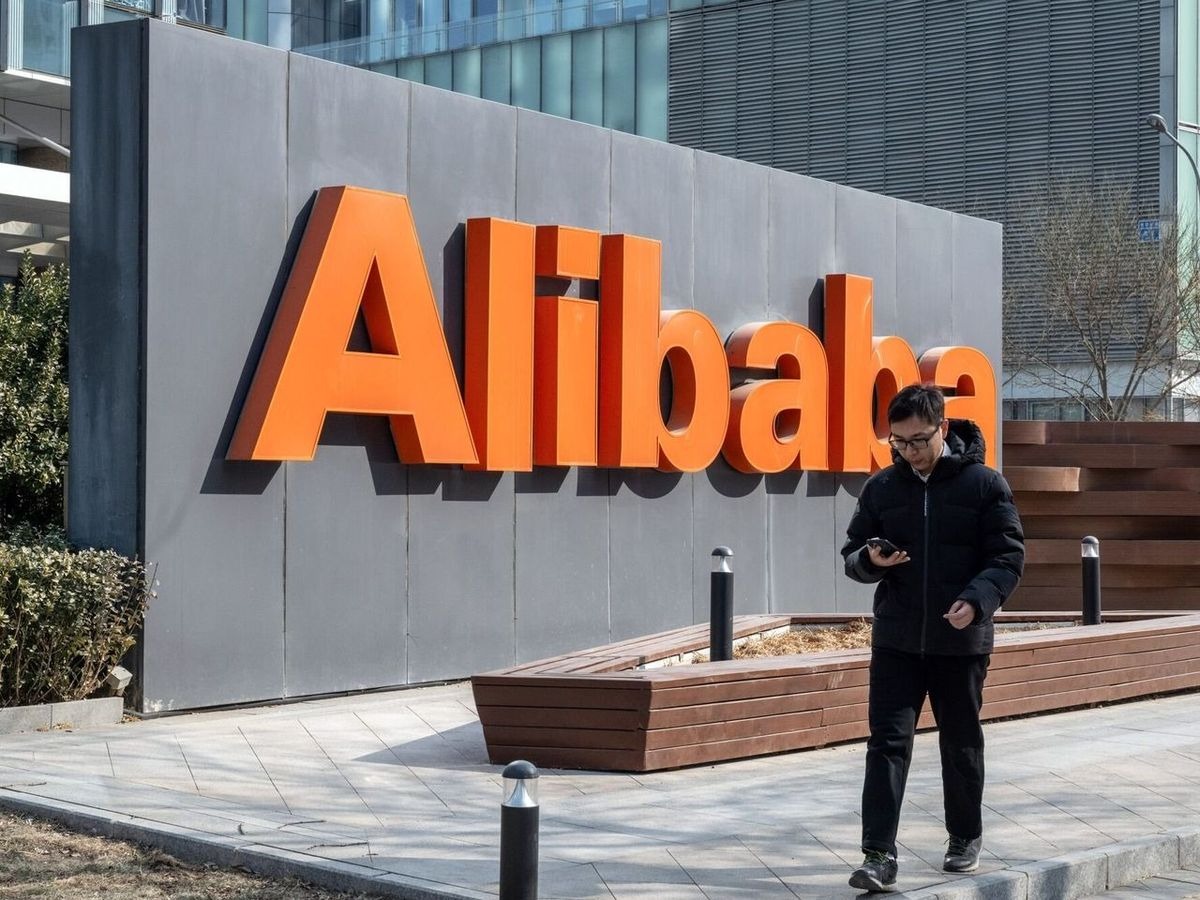
Alibaba Raises $10.2 Billion for AI Expansion as Investors Weigh Dilution and Long-Term Growth
Alibaba’s $10.2 billion share placement will fund AI expansion, while investors weigh shareholder dilution, rising spending, cloud growth and future returns.
Alibaba is making one of its biggest financial commitments to artificial intelligence yet, raising approximately HK$80 billion ($10.2 billion) through a new share placement to accelerate the expansion of its AI infrastructure and capabilities. The transaction represents the largest-ever primary follow-on offering by a Hong Kong-listed company and comes at a time when competition across China's technology and AI sectors is intensifying.
The company will issue 710 million new shares at HK$112.70 each, representing approximately 3.57% of its enlarged share capital. The placement price was also below Alibaba's previous closing price, creating immediate concerns around shareholder dilution and the near-term impact on the stock.
Alibaba said that 100% of the net proceeds will be directed toward strengthening its full-stack AI capabilities, including AI infrastructure. The transaction is expected to close on August 26, subject to customary conditions, with the newly issued shares subject to a 90-day lock-up.
The market reaction was immediate. Alibaba shares fell around 8% in early Hong Kong trading on August 24, highlighting the tension between investors' concerns over dilution and the company's long-term AI ambitions.
Why Alibaba Is Raising Capital for AI
The fundraising comes as Alibaba accelerates spending on AI, cloud computing and related infrastructure.
Alibaba's latest results showed that total revenue increased 9% year on year to more than $39.6 billion, while AI Cloud and Compute Services revenue climbed 45% to approximately $7.1 billion. The company said AI-related revenue continued to record strong growth, making artificial intelligence increasingly important to its broader business strategy.
However, the rapid expansion is also creating substantial costs.
Quarterly capital expenditure surged approximately 75% to RMB67.68 billion, while net profit fell roughly 75% year on year. The sharp decline in earnings demonstrates the financial trade-off Alibaba is currently making: accepting weaker near-term profitability in exchange for greater AI and computing capacity.
How quickly can Alibaba convert its AI investment into sustainable revenue and earnings growth?
AI Spending Becomes a Strategic Race
Alibaba's decision reflects a much broader shift across the global technology industry.
AI development increasingly requires enormous amounts of computing power, data-center capacity, advanced chips and networking infrastructure. Technology companies are therefore investing heavily before demand fully matures, hoping to secure sufficient capacity and technological advantages ahead of competitors.
Alibaba has committed to investing approximately RMB380 billion over three years in AI and cloud infrastructure. The company has already spent a substantial portion of that commitment, indicating that its AI expansion is moving rapidly rather than remaining a long-term theoretical project.
The strategy also extends beyond conventional cloud services. Alibaba is developing a broader AI ecosystem involving computing infrastructure, proprietary technologies and its Qwen family of AI models.
The Dilution Problem
While the capital raise provides Alibaba with additional funding, investors must also consider the immediate impact on existing shareholders.
The company is issuing 710 million new shares, meaning existing shareholders will own a slightly smaller percentage of Alibaba following completion of the transaction. The placement represents approximately 3.57% of the enlarged share capital.
More importantly, the shares were priced at a discount to the previous market price. The placement price represented an 8.4% discount to Alibaba's previous Hong Kong closing price.
That combination creates short-term pressure because investors must balance the value of new capital against the dilution required to obtain it.
The market's initial reaction suggests investors are currently more focused on this near-term cost than on the potential benefits of additional AI capacity.
Strong Cloud Growth Provides a Counterbalance
Despite the negative reaction in Alibaba shares, the company's cloud business provides an important reason for investors to remain interested in the longer-term AI story.
Alibaba reported that AI Cloud and Compute Services revenue increased 45% year on year, while cloud adjusted EBITA rose substantially. The company said AI-related revenue has become an increasingly important growth engine for the cloud division.
This distinction is important.
The current investment cycle is expensive, but it is also being accompanied by rapid growth in AI-related demand. If that growth continues, Alibaba could eventually generate higher returns from the infrastructure it is building today.
The key uncertainty is timing.
Large-scale AI infrastructure investments require significant upfront capital, while revenue monetization may take years to fully develop.
China’s Technology Competition Intensifies
Alibaba's move also highlights the growing competition within China's technology sector.
Chinese technology companies are increasingly investing in proprietary AI models, computing infrastructure and cloud platforms as they compete for a larger share of the country's emerging AI economy.
Alibaba therefore faces competition not only from established technology companies but also from rapidly developing AI businesses and other cloud providers.
The pressure to invest creates a difficult strategic balance. Companies that spend too little risk falling behind technologically, while companies that spend too aggressively may sacrifice profitability and shareholder returns.
Alibaba appears willing to accept the latter risk in order to strengthen its long-term competitive position.
What This Means for China and Hong Kong Markets
The Alibaba placement could have broader implications for China's technology sector and Hong Kong equities.
As one of the largest technology companies listed in Hong Kong, Alibaba is an important component of investor sentiment toward Chinese internet and technology stocks.
The immediate decline in Alibaba shares could therefore weigh on broader technology sentiment, particularly if investors begin reassessing the valuation of other companies making similarly large AI investments.
At the same time, successful AI monetization could have the opposite effect.
If Alibaba demonstrates that higher AI spending can generate sustained cloud growth, stronger margins and eventually higher earnings, investor confidence in China's AI sector could improve.
This makes Alibaba an important company to watch as the market evaluates whether China's AI investment cycle is translating into tangible economic returns.
What Investors Are Watching Next
Several factors are likely to determine Alibaba's performance over the coming quarters:
- AI revenue growth — Whether demand for AI cloud and computing services continues expanding rapidly.
- Capital expenditure — Whether spending remains elevated or begins to moderate as infrastructure capacity increases.
- Profitability — Whether stronger cloud and AI revenue can eventually offset the costs of infrastructure expansion.
- Shareholder dilution — How investors assess the long-term value created by the newly raised capital.
- China technology competition — Whether Alibaba can maintain its position as competition across AI models, cloud services and computing infrastructure intensifies.
The company's ability to demonstrate improving returns on AI investment will likely become increasingly important.
A High-Stakes Bet on the Future of AI
Alibaba's $10.2 billion share placement illustrates the changing economics of the global AI race.
For investors, the story is no longer simply about whether companies are investing in AI. The more important question is whether those investments can eventually generate sufficient revenue and profitability to justify the enormous capital commitments.
Alibaba is clearly prioritizing long-term AI capacity over near-term earnings. Its strong cloud and AI revenue growth suggests that demand is already developing, but the sharp decline in quarterly profit shows how expensive the transition can be.
If Alibaba succeeds in converting its AI infrastructure into sustained revenue growth and stronger profitability, the current investment cycle could become an important foundation for its next stage of expansion. If monetization takes longer than expected, however, elevated spending and dilution could remain sources of pressure.
For now, Alibaba's latest capital raise represents both an aggressive AI growth strategy and a significant test of investor confidence.
DISCLAIMER: Derivative products carry high risk and may result in the loss of your entire invested capital. Before trading, ensure you fully understand the legal framework, product characteristics, and your broker’s trading rules. Always trade responsibly and with caution.
RISK WARNING: Margin trading with leverage is not suitable for all investors due to its high risk. THERE ARE NO GUARANTEED RETURNS in trading. Beware of any claims promising assured profits. Only use capital you can afford to lose. Before engaging in any transaction, ensure you understand the risks and assess both your experience and risk tolerance.
