

บทวิเคราะห์
Japan Plans to Cut Food Sales Tax to 1% as Cost of Living Pressures Grow
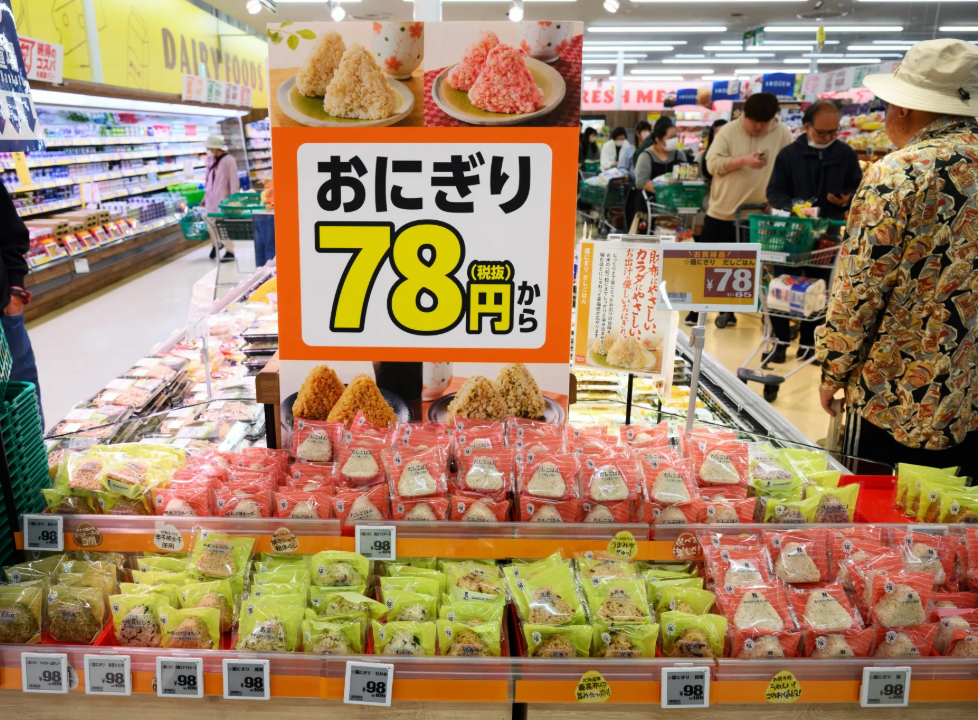
Japan is preparing for a significant shift in economic policy after reports indicated that Prime Minister-designate Sanae Takaichi intends to move ahead with a proposal to reduce the Japan food sales tax from the current 8% to just 1%. The proposal comes as households continue to grapple with elevated food prices and persistent inflation, making the Japan food sales tax one of the country's most closely watched policy issues.
The announcement arrives at a time when Japanese consumers have faced rising living expenses for more than two years. Food inflation has remained stubbornly high despite broader efforts by policymakers to stabilise prices. By sharply lowering the Japan food sales tax, the government hopes to provide immediate relief to households while supporting domestic consumption, a key pillar of Japan's economic growth.
Interestingly, the proposal reflects a broader shift in political priorities. Rather than relying solely on subsidies or one-off cash handouts, reducing the Japan food sales tax directly lowers everyday expenses at supermarkets and grocery stores. For millions of consumers, that could translate into noticeable savings each time they shop.
Why the Japan Food Sales Tax Matters
Japan currently applies a reduced consumption tax rate of 8% on most food products, compared with the standard 10% rate charged on many other goods and services. Under the reported proposal, the Japan food sales tax would fall dramatically to just 1%.
Such a reduction would represent one of the largest tax changes in recent Japanese history. If implemented, consumers purchasing essential food items would pay substantially less tax, helping offset the impact of higher prices caused by inflation.
Food costs have become an increasingly sensitive political issue. Higher import prices, wage pressures and supply chain disruptions have all contributed to rising grocery bills. Although inflation in Japan remains lower than in many Western economies, it has stayed above the Bank of Japan's long-standing 2% target for an extended period.
Reducing the Japan food sales tax therefore serves both economic and political objectives. It aims to protect household purchasing power while demonstrating that the government is responding to public concerns over the rising cost of living.
According to Reuters, the proposed reduction in Japan's food consumption tax reflects Prime Minister-designate Sanae Takaichi's broader push to prioritise fiscal support and ease the burden of living costs on households.
Takaichi's Economic Priorities Begin to Take Shape
The proposal also provides investors with an early indication of Sanae Takaichi's economic agenda.
Takaichi has consistently argued that Japan should maintain fiscal support while encouraging stronger domestic demand. Lowering the Japan food sales tax fits within that broader strategy by attempting to stimulate consumer spending rather than relying entirely on monetary policy.
Markets will now be watching whether the proposal gains enough political support to become law. Tax reforms of this scale require extensive legislative approval and could face opposition over concerns about government revenue.
Nevertheless, the discussion alone signals that fiscal policy is likely to play a larger role in supporting the Japanese economy over the coming months.
What Could It Mean for Japan's Economy?
Lowering the Japan food sales tax could provide an immediate boost to household confidence.
When consumers spend less on essential groceries, they often have more disposable income available for other purchases. Increased spending can support retailers, restaurants and domestic businesses, helping stimulate broader economic activity.
However, economists also point to potential trade-offs.
- Consumption tax represents an important source of government revenue.
- A sharp reduction in the Japan food sales tax could widen Japan's already substantial fiscal deficit unless offset by spending cuts or alternative tax measures.
- Stronger consumer spending may or may not generate enough economic activity to compensate for lower tax collections.
That raises an important question: can stronger consumer spending eventually generate enough economic activity to compensate for lower tax collections? The answer remains uncertain and will depend largely on how households respond after implementation.
Market Implications for Investors
Financial markets generally evaluate fiscal policy through several different lenses.
A lower Japan food sales tax could improve earnings prospects for companies exposed to domestic consumption, including supermarkets, retailers, food manufacturers and consumer discretionary businesses.
Japanese equities focused on local demand may therefore benefit if consumer confidence improves.
Currency markets present a more nuanced picture.
- If investors believe larger fiscal spending will increase government borrowing, the Japanese yen could experience periods of weakness.
- If stronger domestic demand supports economic growth, long-term confidence in Japan's economy could improve.
- Bond markets are likely to remain attentive, as additional fiscal stimulus can influence government borrowing needs and future debt issuance.
Inflation Outlook Remains a Key Variable
One of the more intriguing aspects of the proposal involves inflation.
Reducing the Japan food sales tax would lower the final price consumers pay for groceries, creating downward pressure on measured inflation in the short term.
Yet stronger household spending could eventually increase demand across other sectors of the economy. If businesses experience higher sales, some may regain pricing power over time.
This creates an interesting balancing act for policymakers.
The Bank of Japan has spent years attempting to generate stable inflation after decades of weak price growth. Fiscal measures that temporarily reduce consumer prices while simultaneously encouraging stronger spending create a complex policy environment.
As a result, investors will likely examine future inflation reports alongside any progress made on the Japan food sales tax proposal.
Political Momentum Will Be Closely Watched
The proposal still faces several procedural steps before becoming official government policy.
Parliamentary negotiations, budget discussions and political consensus will ultimately determine whether the Japan food sales tax reduction proceeds as planned.
Even so, the announcement reflects growing pressure on governments worldwide to address affordability challenges. Rising food prices have become a major political issue across developed economies, and Japan is no exception.
For businesses, investors and consumers alike, developments surrounding the Japan food sales tax may become one of the defining domestic economic stories in the months ahead.
Broader Market Perspective
The proposed Japan food sales tax reduction highlights how fiscal policy is becoming an increasingly important tool alongside central bank decisions. While monetary policy often dominates financial headlines, targeted tax measures can have an equally meaningful impact on consumer behaviour, business confidence and investment sentiment.
Whether the proposal ultimately becomes law or evolves through parliamentary negotiations, markets are likely to continue monitoring its progress. Investors will assess not only its potential benefits for household spending but also its implications for Japan's fiscal position, inflation outlook and the future direction of the Japanese yen.
DISCLAIMER: Derivative products carry high risk and may result in the loss of your entire invested capital. Before trading, ensure you fully understand the legal framework, product characteristics, and your broker’s trading rules. Always trade responsibly and with caution.
RISK WARNING: Margin trading with leverage is not suitable for all investors due to its high risk. THERE ARE NO GUARANTEED RETURNS in trading. Beware of any claims promising assured profits. Only use capital you can afford to lose. Before engaging in any transaction, ensure you understand the risks and assess both your experience and risk tolerance.
