

บทวิเคราะห์
South Korea 24-Hour Dollar-Won Trading Marks a New Era for FX Markets
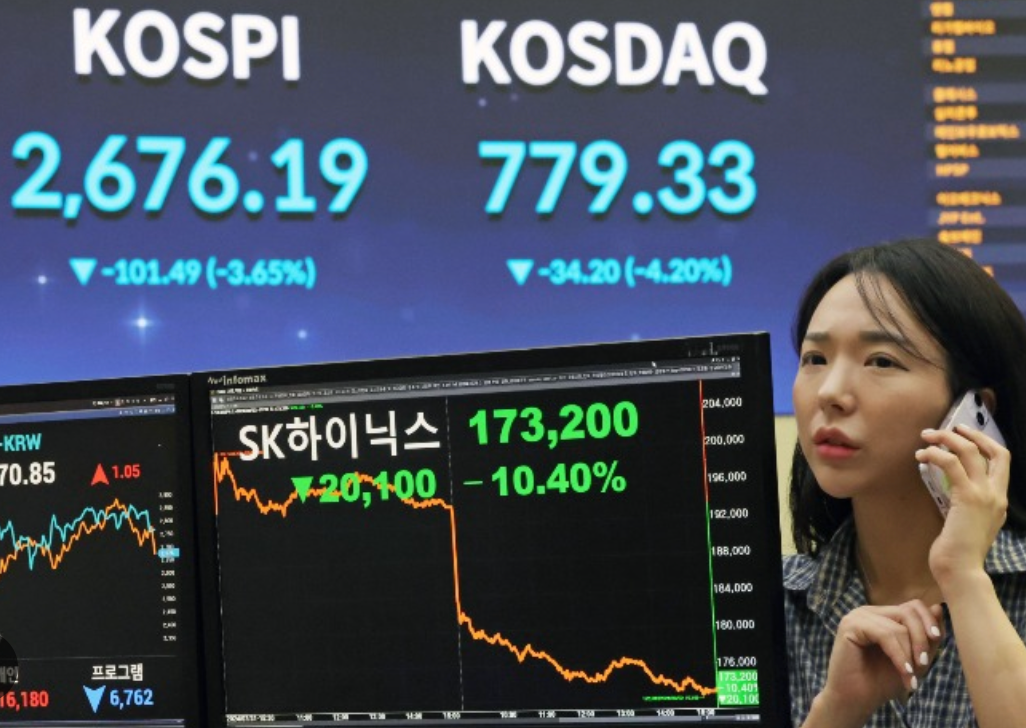 South Korea 24-hour dollar-won trading
South Korea 24-hour dollar-won trading begins, extending forex market access and improving liquidity for global investors and the Korean won. South Korea has officially launched South Korea 24-hour dollar-won trading, introducing one of the country's most significant foreign exchange market reforms in decades. Effective from July 6, 2026, the Korean foreign exchange market will remain open almost around the clock, allowing participants to trade the US dollar against the Korean won for up to 24 hours on weekdays.
The move is designed to improve liquidity, attract more international investors, and position Seoul as a more competitive financial hub in Asia. It also reflects South Korea's broader ambition to modernize its capital markets while responding to the increasingly global nature of currency trading.
Interestingly, the timing is far from random. Currency markets rarely sleep, and investors have long argued that South Korea's traditional trading hours no longer matched the pace of global financial markets.
What Has Changed?
Under the new framework, South Korea 24-hour dollar-won trading extends market operating hours from the previous daytime session to nearly continuous weekday trading.
Instead of closing during the evening in Seoul, trading will continue through major overseas market sessions, including London and New York. This allows global investors, exporters, importers, hedge funds, and multinational corporations to manage currency exposure whenever important market events occur.
Previously, unexpected geopolitical developments or major economic releases outside Korean trading hours often forced investors to wait until the following morning before adjusting positions. The extended schedule aims to reduce that limitation.
Authorities believe the longer trading window will create smoother price discovery and provide greater flexibility during periods of market volatility.
Why South Korea Introduced 24-Hour Dollar-Won Trading
The decision follows years of gradual foreign exchange reforms. South Korea has steadily relaxed restrictions on foreign investors while encouraging greater participation in domestic financial markets. Officials have also been working toward gaining inclusion in major developed-market indices, an objective that requires higher levels of market accessibility and transparency.
South Korea 24-hour dollar-won trading supports these ambitions by aligning local market practices with other major financial centres.
According to Reuters, the reform is part of broader efforts by the South Korean government to make the country's financial markets more internationally competitive and easier for overseas investors to access.
Authorities expect wider participation from foreign institutions as operational barriers continue to decline. For global investors, convenience matters. Being able to trade during European and US business hours removes a longstanding obstacle that previously limited participation in the Korean currency market.
Impact on the Korean Won
The Korean won remains one of Asia's most actively traded currencies because South Korea plays a central role in global manufacturing, technology exports, automotive production, and semiconductor supply chains.
As South Korea 24-hour dollar-won trading becomes operational, several changes could gradually emerge:
- Greater trading activity may improve overall liquidity, allowing large transactions to be executed with smaller price movements.
- Narrower bid-ask spreads could also lower transaction costs for institutional participants.
- Market efficiency may improve, with exchange rates reacting continuously to global developments throughout the day.
That said, longer trading hours may also increase short-term volatility during periods of heightened uncertainty. Global macroeconomic events, central bank announcements, or geopolitical tensions can now influence the Korean won immediately rather than being absorbed during the next local trading session.
Global Investors Welcome Greater Market Access
International asset managers have generally welcomed South Korea 24-hour dollar-won trading, viewing it as another step toward integrating Korean financial markets with global capital flows.
Many multinational companies actively hedge Korean won exposure due to the country's extensive export activity. Continuous access provides greater flexibility when managing foreign exchange risk.
The reform also benefits overseas investors holding Korean equities and bonds. Currency hedging strategies can now be adjusted alongside global portfolio movements rather than waiting for Seoul's market opening.
By extending trading availability, South Korea reduces this competitive disadvantage.
Could Liquidity Continue to Grow?
Liquidity does not increase overnight simply because trading hours become longer. Market participation remains the decisive factor.
Several international banks have already expanded their involvement in Korea's foreign exchange market following previous regulatory changes. As additional global financial institutions participate, trading volumes could gradually rise over time.
Higher liquidity typically benefits both institutional investors and corporations by improving execution quality and reducing pricing inefficiencies.
Still, authorities will closely monitor market conditions during the initial implementation period. Operational stability, settlement efficiency, and participation levels will determine how successful South Korea 24-hour dollar-won trading becomes over the coming months.
Wider Implications for Asian Currency Markets
South Korea's decision may encourage other regional economies to evaluate whether their own foreign exchange markets remain sufficiently competitive.
Asian currencies increasingly react to developments occurring outside domestic business hours, particularly US Federal Reserve decisions, European Central Bank announcements, and geopolitical events affecting global trade.
Continuous trading better reflects today's interconnected financial environment. While each country operates under different regulatory frameworks, South Korea's experience could become an important case study for policymakers considering similar reforms.
Currency markets continue evolving as technology enables faster execution, broader market participation, and greater international connectivity.
What Traders Should Watch Next
The immediate focus will be on market participation.
- Whether international banks, institutional investors, exporters, and asset managers actively utilise South Korea 24-hour dollar-won trading.
- Whether liquidity strengthens steadily, supporting more efficient pricing.
- How the won responds during major economic announcements outside Seoul's traditional trading hours.
Investors will be watching whether price adjustments become smoother and whether overnight gaps begin to narrow.
Although structural reforms often require time before their full impact becomes visible, South Korea has taken a notable step toward modernising its foreign exchange market. For currency traders and global investors alike, this development represents more than an operational change. It signals South Korea's continued commitment to integrating its financial markets with the wider global economy.
DISCLAIMER: Derivative products carry high risk and may result in the loss of your entire invested capital. Before trading, ensure you fully understand the legal framework, product characteristics, and your broker’s trading rules. Always trade responsibly and with caution.
RISK WARNING: Margin trading with leverage is not suitable for all investors due to its high risk. THERE ARE NO GUARANTEED RETURNS in trading. Beware of any claims promising assured profits. Only use capital you can afford to lose. Before engaging in any transaction, ensure you understand the risks and assess both your experience and risk tolerance.
