

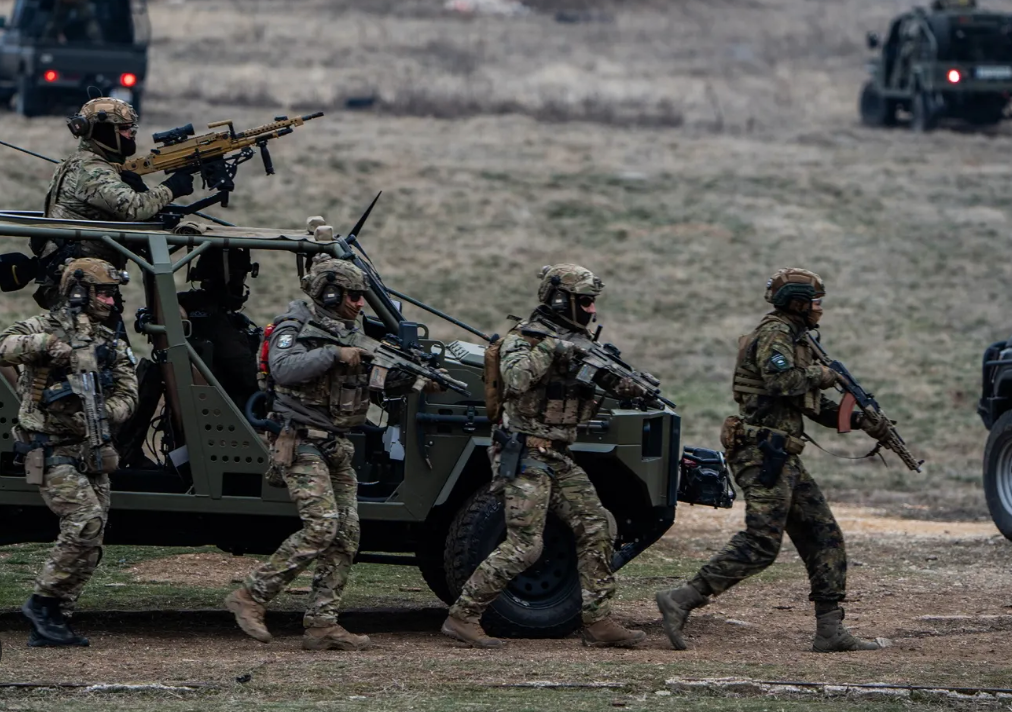
 Global Military Spending Reaches 16-Year High
The Unprecedented Rise in Global Military Spending
Global military spending has climbed to levels not seen in over a decade and a half, signaling a notable shift in government priorities across major economies. According to BNN Bloomberg, rising geopolitical tensions and security concerns have driven a sharp increase in defense budgets, particularly across Europe and Asia.
The scale of the increase is difficult to ignore. Military expenditure has accelerated at a pace that reflects growing uncertainty in the global landscape. This trend unfolds alongside broader economic challenges, including inflation pressures and slowing growth in several regions.
For financial markets, the implications are far-reaching. Global military spending is no longer a peripheral concern—it is reshaping investment strategies and fiscal planning across nations.
Geopolitical Drivers of the Surge
The surge in global military spending is closely tied to evolving geopolitical risks. Conflicts in Eastern Europe, ongoing tensions in Asia, and shifting alliances have compelled governments to reassess their defense strategies fundamentally.
European nations, in particular, have significantly increased their defense budgets. Many countries are responding to security concerns that have intensified over the past two years. According to BNN Bloomberg, countries across the continent have committed substantial resources to modernizing military capabilities. Meanwhile, several Asian economies are expanding military capabilities amid regional tensions and strategic competition.
This dual acceleration has pushed global military spending to a 16-year high. When multiple regions simultaneously boost defense budgets, the effect is not isolated—it becomes a global phenomenon, influencing supply chains, industrial production, and government fiscal positions.
Economic Impact and Fiscal Pressure
Rising global military spending comes with substantial costs. Governments must allocate significant financial resources, often diverting funds from other sectors such as infrastructure, healthcare, or education. This creates difficult trade-offs at a time when many economies face competing demands.
Critical fiscal questions emerge: Can economies sustain higher defense spending without increasing debt levels? In some cases, increased military expenditure is being financed through higher borrowing, which could place upward pressure on bond yields.
According to BNN Bloomberg, investors are already watching sovereign debt markets closely, particularly in Europe where fiscal balances remain sensitive. At the same time, defense spending can stimulate certain areas of the economy. Defense contractors, manufacturing firms, and technology providers often benefit from increased government orders related to global military spending.
The effect is uneven. While some sectors gain momentum, others experience slower growth due to resource reallocation:
- Defense contractors and aerospace firms see increased revenue opportunities
- Technology sectors focused on cybersecurity and advanced systems gain traction
- Manufacturing and raw materials industries experience heightened demand
- Social spending sectors may face budget constraints
Inflationary Pressures and Monetary Policy Implications
The rise in global military spending intersects directly with inflation dynamics. Defense projects require raw materials, energy, and skilled labor. Increased demand in these areas can contribute to higher prices across multiple sectors.
Central banks are unlikely to ignore this development. If defense-driven demand adds to inflationary pressure, policymakers may need to maintain tighter monetary conditions for longer than expected. This could influence interest rate trajectories, particularly in economies already grappling with persistent inflation.
According to BNN Bloomberg, the relationship between global military spending and inflation is not always straightforward. However, when spending increases occur at scale across multiple regions, the cumulative effect becomes more pronounced:
- Increased demand for commodities pushes raw material prices higher
- Defense sector labor competition raises wage pressures
- Supply chain disruptions amplify input costs for manufacturers
- Government borrowing may crowd out private sector financing
Financial Markets and Investment Trends
Financial markets are beginning to reflect the shift in global military spending patterns. Defense-related stocks have attracted renewed interest as investors anticipate stronger earnings supported by government contracts.
Exchange-traded funds tracking the defense sector, such as those linked to aerospace and military industries, have seen increased activity. Companies involved in advanced technologies, cybersecurity, and defense systems are gaining attention from institutional investors.
At the same time, broader equity markets remain cautious. Geopolitical risks tend to introduce volatility, and investors often adopt a more defensive stance during periods of uncertainty. According to BNN Bloomberg, capital flows are becoming increasingly sensitive to geopolitical developments that influence global military spending trajectories.
"Global military spending is becoming a central determinant of portfolio allocation and asset pricing, fundamentally reshaping how investors assess risk in the current environment."
Currency markets are also affected. Increased government spending and shifting capital flows can influence exchange rates, particularly for currencies tied to major defense spenders.
Long-Term Strategic Implications
The rise in global military spending highlights a broader shift in government priorities. Security concerns are moving to the forefront, influencing economic decisions at the highest policy levels.
This development carries significant long-term implications. Higher defense budgets may reshape industrial strategies, accelerate technological innovation, and redefine global trade relationships fundamentally. Strategic questions emerge regarding the sustainability of this trend:
- Will global military spending continue its upward trajectory, or will it stabilize once geopolitical tensions ease?
- How will persistent high spending affect fiscal sustainability and inflation management?
- What technological innovations will emerge from increased defense investment?
- How will supply chains adapt to defense sector demands?
For now, according to BNN Bloomberg, the trajectory appears firmly upward. Governments are signaling a commitment to strengthening defense capabilities, even as economic conditions remain complex.
The Market Perspective and Future Outlook
From an investment standpoint, the message is unambiguous: global military spending is no longer a background variable in economic analysis. It is becoming a central factor shaping investment decisions, fiscal policy, and economic outlook.
The convergence of geopolitical tensions, fiscal pressures, and market dynamism creates a complex landscape for policymakers and investors alike. Global military spending trends will likely remain a focal point for economic analysis and portfolio management.
As economies navigate these structural shifts, the ability to adapt to global military spending realities will determine competitive advantage in the decades ahead. The financial implications are profound, touching everything from bond markets to currency valuations to sectoral performance.
