

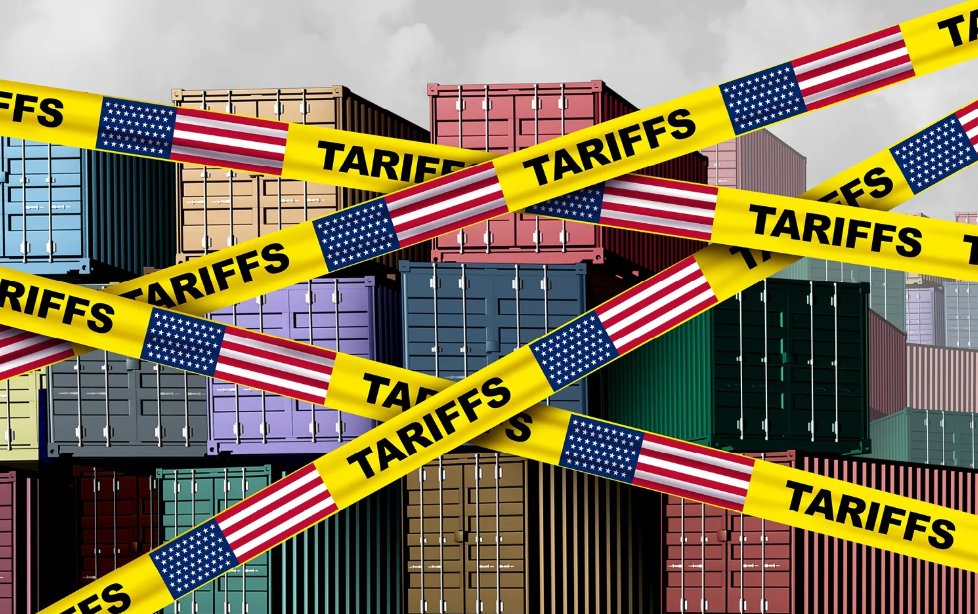
 Global Tariffs Face First Legal Challenge From U.S. States
A new round of global tariffs introduced by former U.S. President Donald Trump is already facing its first major legal challenge. A group of American states has filed a lawsuit questioning the authority and legality of the sweeping tariff measures.
The dispute arrives at a sensitive moment for international trade. Governments and investors are watching closely as global tariffs once again move to the center of economic debate.
According to the National Post, the lawsuit argues that the administration may have exceeded its legal authority in implementing the new trade measures. If the courts decide to intervene, the outcome could shape how future tariff policies are applied in the United States.
The legal challenge also highlights how controversial global tariffs remain in today's interconnected economy. While tariffs are often used as tools to protect domestic industries, they can also trigger retaliation and disrupt global supply chains.
A policy decision in Washington can influence manufacturing costs, commodity markets, and investor sentiment worldwide.
What the New Global Tariffs Aim to Achieve
The proposed global tariffs were designed to strengthen domestic industries and reduce reliance on foreign imports. Supporters argue that tariffs can help protect local manufacturers from overseas competition.
Tariffs essentially function as taxes placed on imported goods. When these taxes increase, imported products often become more expensive. In theory, this encourages consumers and businesses to purchase locally produced alternatives.
However, the broader economic effects of global tariffs can be complicated. Consider what these measures may affect:
- Import costs for businesses relying on foreign materials or components
- Retail prices as higher supply chain costs reach consumers
- Domestic manufacturing competitiveness in key sectors
- Long-term trade relationships with allied nations
Economists often debate the long-term benefits of such policies. While global tariffs can protect specific industries in the short term, they may also create inefficiencies in global trade.
The Legal Challenge Explained
The current lawsuit targeting the new global tariffs has been brought forward by a coalition of U.S. states. According to legal filings, the states argue that the federal government may have overstepped its authority in imposing the tariff measures.
Trade policy in the United States typically involves several legal frameworks, including legislation that allows tariffs to be introduced under specific economic or national security conditions. The challenge claims that the justification used for the new global tariffs does not meet the legal standards required under existing law.
If the courts agree to review the case, the decision could influence how future global tariffs are implemented by the executive branch. The following sequence of events is anticipated:
- Courts assess whether the legal justification for the tariffs meets existing statutory requirements
- A preliminary ruling may determine whether the tariffs can remain in place during review
- A final decision could either uphold or strike down the measures
- The outcome may set a precedent for how future tariff actions are authorized
Potential Impact on Global Trade
Markets tend to react quickly to uncertainty surrounding trade policy. When global tariffs are introduced or challenged in court, companies involved in international trade often reassess supply chains and investment plans.
Manufacturers that rely on imported materials may face higher production costs if global tariffs remain in place. Export-oriented companies may also encounter retaliatory measures from trading partners.
History offers several examples. During earlier trade disputes between the United States and China, global tariffs triggered counter-tariffs that affected industries ranging from agriculture to technology.
The modern global economy is far more interconnected than it was decades ago. Supply chains stretch across multiple countries, and even small tariff changes can influence global manufacturing networks. As a result, the legal challenge surrounding these global tariffs is attracting attention far beyond the United States.
Investor Sentiment and Market Response
Financial markets generally prefer stability in trade policy. Sudden shifts involving global tariffs can introduce volatility across equities, commodities, and currencies.
Companies that depend heavily on global trade are particularly sensitive to tariff changes. Among those most exposed to the impact of global tariffs are:
- Industrial manufacturers dependent on cross-border component sourcing
- Technology firms with globally distributed production networks
- Logistics companies managing international freight and supply chains
- Agricultural exporters vulnerable to retaliatory trade measures
Commodity markets also respond. When global tariffs disrupt trade flows, demand patterns for raw materials such as steel, aluminum, and agricultural products may change rapidly. Some investors view tariff disputes as temporary political events, while others worry that persistent trade tensions could weaken global growth. For now, the legal challenge adds another layer of uncertainty.
A Policy Debate That Is Far From Settled
The debate surrounding global tariffs reflects broader questions about how nations should balance domestic economic priorities with international trade relationships.
Supporters believe global tariffs can strengthen national industries and reduce dependence on foreign suppliers. Critics argue that widespread tariff measures may slow economic growth and strain diplomatic ties.
What happens next may depend largely on the legal process now unfolding in U.S. courts. Judges will examine whether the policy meets existing legal standards and whether the executive branch acted within its authority when imposing global tariffs on such a broad scale.
Trade policy remains one of the most powerful tools governments possess to influence economic direction. When used aggressively, its impact extends far beyond national borders.
Whatever the outcome, the discussion surrounding global tariffs is unlikely to disappear anytime soon. Markets, businesses, and policymakers will continue watching closely as this legal challenge develops.
