

Анализ рынка
UK Inflation Slows, Giving the Economy Some Welcome Relief
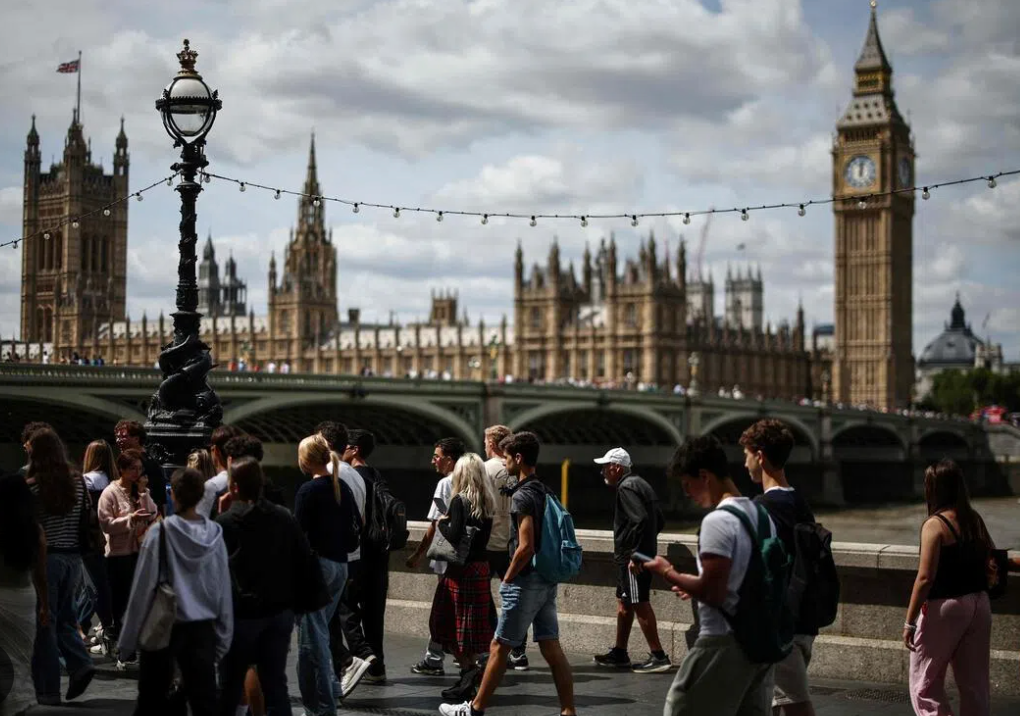 UK Inflation Eases in June, Boosting Rate Cut Hopes
UK Inflation Shows Signs of Easing
The latest UK inflation data has delivered encouraging news for consumers, businesses, and financial markets. Consumer price growth eased in June, providing temporary relief after months of persistent price pressure and reinforcing expectations that interest rates could gradually move lower over the coming months.
According to the Office for National Statistics, the annual UK inflation rate slowed to 2.6% in June, down from 2.8% in May. The reading was slightly below market expectations and marked another step towards the Bank of England's long-term target of 2%.
Several categories contributed to the softer reading:
- Fuel prices continued to ease
- Price increases for household goods moderated
- Food inflation remained present but less aggressive than earlier in the year
Interestingly, UK inflation has now cooled significantly compared with the multi-decade highs experienced over the past few years. The improvement reflects easing supply chain pressures, stabilising energy markets, and tighter monetary policy that has gradually slowed consumer demand. That progress is welcome, although inflation has not disappeared entirely.
Why Inflation Matters for Interest Rates
Inflation remains one of the most closely watched economic indicators because it directly influences central bank decisions. When inflation runs too high, central banks often raise interest rates to reduce spending and slow price increases. As inflation begins to moderate, policymakers gain more flexibility to consider lowering borrowing costs.
The latest UK inflation data strengthens market expectations that the Bank of England could continue reducing interest rates later this year, provided price growth continues moving towards its target.
Lower interest rates generally reduce borrowing costs for households and businesses. Mortgage payments may become more affordable, business investment can improve, and consumer confidence often receives additional support. However, central bankers are unlikely to rush.
Officials have repeatedly stated that they want clear evidence that price growth will remain under control before making significant policy changes.
A Positive Start for Prime Minister Andy Burnham
The UK inflation report also carries political significance. Andy Burnham recently assumed office as the United Kingdom's Prime Minister, inheriting an economy that has faced years of elevated price pressures, weak growth, and strain on household finances.
Lower inflation provides a more favourable starting point. Consumers who have endured rising prices may gradually experience less financial pressure if the trend continues. Businesses also benefit from greater price stability, allowing for improved planning and investment decisions.
Nevertheless, Burnham's administration still faces broader challenges, including boosting productivity, supporting economic growth, and managing public finances.
What This Means for the British Pound
Currency markets reacted cautiously to the UK inflation figures. A slower reading may increase expectations that the Bank of England will lower interest rates sooner than previously anticipated. Lower interest rates generally reduce the attractiveness of a country's currency because investors receive lower returns on interest-bearing assets.
As a result, the British pound could experience periods of weakness if markets become increasingly confident that further rate cuts are approaching. On the other hand, investors also recognise that moderating UK inflation reduces economic uncertainty, and improved confidence in the broader economy can partially offset downward pressure on the currency.
The balance between these two forces will likely determine the direction of GBP over the coming months.
Investors Will Watch the Next Economic Signals
While the latest UK inflation reading is encouraging, investors understand that one month's data rarely tells the full story. Attention will now shift towards several important indicators, including:
- Wage growth
- Employment figures
- Retail sales
- Future inflation reports
Wage growth remains particularly important. If wages continue rising rapidly, businesses may pass higher labour costs on to consumers, potentially slowing progress in reducing UK inflation. The Bank of England will also examine services inflation, which has remained relatively sticky compared with goods prices.
Together, these indicators will influence future monetary policy decisions and shape expectations across financial markets.
Broader Impact on Financial Markets
The latest UK inflation data extends beyond the United Kingdom. Global investors closely monitor UK economic indicators because they provide insight into broader inflation trends across developed economies.
Government bond yields, equity markets, and foreign exchange markets all respond to changing expectations for central bank policy. Should UK inflation continue easing over the coming quarters, sectors sensitive to interest rates, including property, banking, and consumer discretionary companies, could experience changing market dynamics.
According to Reuters, international investors will compare the Bank of England's policy path with those of the US Federal Reserve and the European Central Bank, a comparison that could influence capital flows across global markets.
A Step in the Right Direction
The latest UK inflation figures offer encouraging evidence that price pressures continue to moderate after a prolonged period of elevated readings. For households, businesses, and policymakers, this represents meaningful progress, even if further work remains.
Markets will now focus on whether this trend can be sustained over the coming months. Future inflation reports, labour market conditions, and Bank of England policy decisions will all influence expectations for interest rates and economic growth.
For investors, the UK inflation outlook remains one of the key themes shaping currency markets and broader financial sentiment during the second half of 2026.
DISCLAIMER: Derivative products carry high risk and may result in the loss of your entire invested capital. Before trading, ensure you fully understand the legal framework, product characteristics, and your broker’s trading rules. Always trade responsibly and with caution.
RISK WARNING: Margin trading with leverage is not suitable for all investors due to its high risk. THERE ARE NO GUARANTEED RETURNS in trading. Beware of any claims promising assured profits. Only use capital you can afford to lose. Before engaging in any transaction, ensure you understand the risks and assess both your experience and risk tolerance.
