

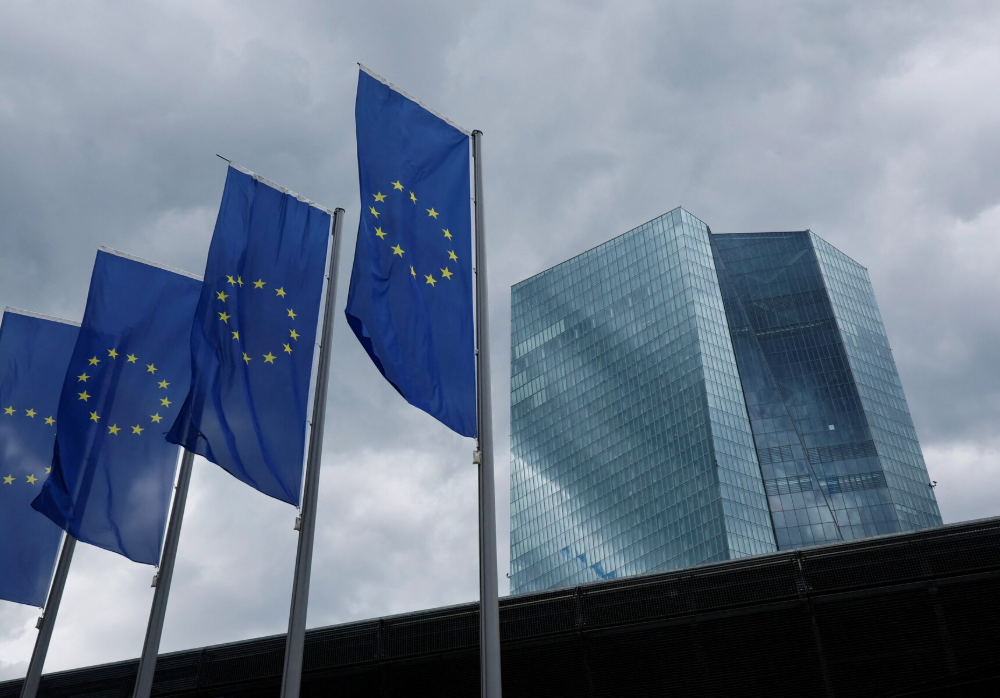
 ECB Interest Rate Outlook Clouded by Renewed Middle East Tensions
The ECB interest rate outlook has become increasingly uncertain after renewed conflict between the United States and Iran disrupted what had appeared to be a clearer path for European monetary policy. Just weeks after policymakers signaled growing confidence that inflation was gradually returning toward target, rising geopolitical tensions have introduced a fresh set of economic risks.
Higher energy prices, renewed concerns over global supply chains, and increased market volatility are forcing investors to reconsider expectations for future European Central Bank decisions. What looked like a relatively predictable policy environment has suddenly become far more complicated.
Interestingly, this shift has little to do with domestic eurozone data alone. External geopolitical events are once again influencing inflation expectations, making the ECB interest rate outlook one of the most closely watched themes in global financial markets. According to Reuters, energy traders moved quickly to price in the risk of supply disruption following the escalation.
Renewed Conflict Changes the ECB Interest Rate Outlook
Before the latest escalation, many economists believed the European Central Bank was approaching the final stages of its current policy cycle.
Inflation across the eurozone had eased considerably from its previous peaks, allowing policymakers greater confidence that restrictive monetary policy was achieving its intended effect. Markets had increasingly priced in the possibility of additional policy easing over the coming quarters.
However, the renewed US-Iran conflict has altered that narrative. Energy markets reacted quickly as concerns emerged over potential disruptions to crude oil supplies and shipping routes in the Middle East. Brent crude prices climbed while investors moved toward traditional safe-haven assets, reflecting growing uncertainty surrounding the regional conflict.
For the ECB, this creates a familiar dilemma. Higher oil prices can eventually feed into transportation costs, manufacturing expenses, and consumer inflation across Europe. If energy inflation accelerates once again, the ECB interest rate outlook may require further reassessment despite recent progress in controlling price pressures.
Oil Prices Once Again Become Central
The eurozone remains heavily dependent on imported energy. That reality means geopolitical developments outside Europe often have an outsized influence on inflation.
As tensions between the United States and Iran intensified, market participants immediately began evaluating the possibility of supply disruptions through the Strait of Hormuz, one of the world's most important energy shipping routes.
Even without actual supply interruptions, the mere possibility of disruption can push oil prices higher as traders build additional risk premiums into energy markets.
That scenario presents another challenge for the ECB interest rate outlook because energy inflation has historically been one of the largest contributors to broader consumer price pressures throughout Europe.
Inflation Progress Faces New Risks
Recent inflation data had given European policymakers reasons for cautious optimism. Headline inflation had moderated significantly from the levels experienced during the energy crisis of previous years. Core inflation also showed gradual improvement, supporting expectations that monetary conditions were becoming sufficiently restrictive.
Now, however, policymakers face another potential external shock. If oil prices remain elevated for an extended period, businesses may pass higher operating costs to consumers through increased prices for goods and services.
Although central banks typically avoid responding directly to temporary energy price spikes, persistent increases can eventually influence inflation expectations among businesses and households. That possibility explains why the ECB interest rate outlook has quickly become less predictable following the latest geopolitical developments.
Markets Reassess Interest Rate Expectations
Financial markets rarely wait for official policy announcements. Instead, investors continuously adjust expectations based on evolving economic conditions.
Following renewed Middle East tensions, bond yields, currency markets, and European equities all reflected increased uncertainty surrounding future ECB decisions.
The euro experienced mixed performance as traders balanced the potential inflationary impact of higher oil prices against concerns that slower economic growth could limit the central bank's flexibility. Meanwhile, government bond markets also reacted as investors reassessed the timing of possible interest rate adjustments.
Analysts increasingly suggest that policymakers may prefer waiting for additional economic data before committing to any significant policy changes.
Economic Growth Adds Another Layer of Complexity
Inflation is only one side of the equation. The eurozone economy continues facing relatively modest growth, weak manufacturing activity, and uneven consumer demand across several member states.
Higher energy costs could place additional pressure on both businesses and households:
- Manufacturers may face rising production expenses
- Consumers could reduce discretionary spending as fuel and utility bills increase
- Government bond markets may see renewed volatility
That creates an uncomfortable balance for policymakers. Aggressive interest rate cuts could risk reigniting inflation if energy prices continue rising. On the other hand, maintaining restrictive monetary policy for too long could place further strain on economic growth. This balancing act now sits at the center of the ECB interest rate outlook.
Why Investors Are Paying Close Attention
The implications extend well beyond Europe. The European Central Bank remains one of the world's most influential monetary authorities, and its policy decisions affect global capital flows, currency markets, and investor sentiment.
A more cautious ECB could influence EUR/USD movements, European equity valuations, and government bond markets across the region.
Global investors are therefore closely monitoring every statement from ECB officials for clues about how recent geopolitical developments may influence future policy decisions. At the same time, attention remains focused on energy markets, where further escalation could continue shaping inflation expectations over the coming months.
Policy Flexibility May Become Increasingly Important
The latest developments demonstrate how quickly the economic landscape can change. Only weeks ago, policymakers appeared increasingly comfortable with the direction of inflation. Today, renewed geopolitical tensions have reopened questions that many believed were gradually being resolved.
The ECB interest rate outlook now depends not only on inflation reports and employment data but also on developments far beyond Europe's borders. Oil prices, regional security, shipping routes, and global commodity markets have once again become important variables in the monetary policy discussion.
For investors, the message is clear: the European Central Bank is likely to remain data dependent while carefully monitoring geopolitical developments that could reshape inflation risks.
Although no immediate policy shift appears certain, renewed uncertainty has returned to the center of Europe's monetary policy debate, ensuring that the ECB interest rate outlook will remain a key focus for global financial markets in the weeks ahead.
