

 Trump Iran Blockade: Global Trade Impact
The Trump Iran blockade plan is quickly becoming a central talking point in global markets. Reports indicate that Donald Trump has instructed aides to prepare for a prolonged Iran blockade, a move that could significantly alter energy flows and trade dynamics. According to The Business Times, the strategy signals that tensions may not ease anytime soon.
This development arrives at a delicate moment. Markets are already grappling with supply uncertainties. Now, the possibility of an extended Iran blockade introduces a new layer of risk. Interestingly, the implications stretch far beyond geopolitics—they reshape how investors approach risk management globally.
The Economic Strategy Behind the Iran Blockade
The Trump Iran blockade plan is not merely a political signal. It carries tangible economic consequences that reverberate through global markets. A sustained Iran blockade could restrict Iran's ability to export oil, tightening global supply at a time when energy markets are already sensitive to external shocks.
Oil traders are watching the Iran blockade developments closely. Even the expectation of disruption can push prices higher. Markets often react not just to events, but to the probability of events. According to The Business Times, the psychological impact of a potential Iran blockade is as significant as any actual implementation.
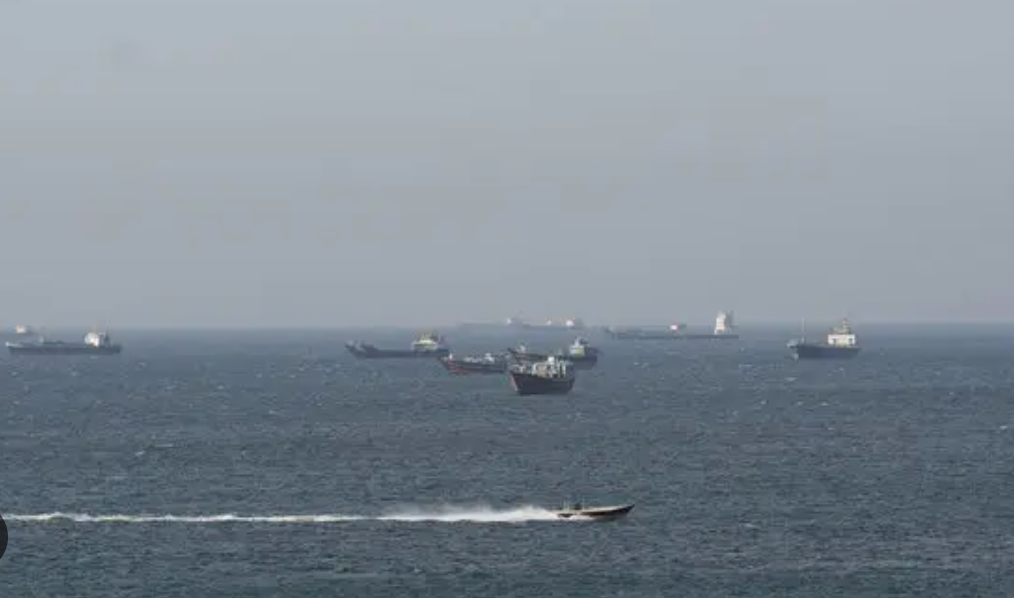
The Strait of Hormuz remains a critical chokepoint. A Iran blockade, or even the perception of one, could lead to rerouting of tankers, higher insurance costs, and delays in delivery. Each of these factors contributes to upward pressure on prices.
Oil Market Volatility and the Iran Blockade Impact
The immediate effect of the Trump Iran blockade plan is visible in oil markets. Benchmarks such as Brent and WTI have shown volatility as traders reassess supply risks stemming from the potential Iran blockade.
Higher oil prices tend to ripple through the global economy. Transportation costs rise. Manufacturing becomes more expensive. Inflationary pressures build. These are not abstract concepts—they directly influence central bank decisions and consumer spending patterns.
Interestingly, the market reaction is not uniform. Energy producers may benefit from higher prices resulting from the Iran blockade, while energy-importing nations face increased costs. This divergence creates both opportunities and challenges across markets.
Global Trade Routes and the Iran Blockade Risk
Beyond energy, the Trump Iran blockade plan has implications for global trade routes. Shipping lanes in the Middle East are among the busiest in the world. Any disruption from an Iran blockade could force vessels to take longer, more costly routes.
- Supply chains may face additional pressure from Iran blockade impacts
- Delays in shipping affect inventory levels and production schedules
- Retail prices could increase due to logistical costs from the Iran blockade
- Business confidence may decline amid Iran blockade uncertainty
There is also a psychological factor at play. Businesses may become more cautious with investment decisions, delaying capital expenditures in response to Iran blockade uncertainty. Over time, this can slow economic momentum across regions dependent on stable energy supplies.
Currency Markets and Safe-Haven Assets Amid Iran Blockade Concerns
Currency markets are responding to the Trump Iran blockade plan with shifts toward safe-haven assets. The US dollar and gold often attract demand during periods of geopolitical tension, including those related to the potential Iran blockade.
The Japanese yen and Swiss franc may also see increased interest as the Iran blockade narrative develops. These movements reflect a broader pattern—when uncertainty rises due to events like an Iran blockade, investors tend to prioritize stability over returns.
Central Bank Policy Responses to Iran Blockade Effects
The Trump Iran blockade plan arrives as central banks navigate an already complex environment. Inflation remains a concern in many regions. Rising energy prices from the Iran blockade could complicate efforts to manage price stability.
Policymakers may need to reassess their strategies in light of the Iran blockade developments. Should they tighten policy to contain inflation, or remain cautious to support growth? According to The Business Times, there is no simple answer when external shocks like the Iran blockade emerge.
Interestingly, the situation underscores the limits of monetary policy. External shocks, particularly geopolitical ones like the Iran blockade, are difficult to counter using traditional tools. This reality is becoming increasingly apparent to policymakers.
Investment Strategies During Iran Blockade Uncertainty
The Trump Iran blockade plan highlights a broader theme shaping markets in 2026: uncertainty is no longer an exception. It is becoming the baseline for many investors navigating the Iran blockade scenario.
Investors are adjusting their approaches. Key strategies include:
- Risk management takes center stage amid Iran blockade volatility
- Diversification gains renewed importance for portfolios exposed to Iran blockade impacts
- Volatility created by the Iran blockade can offer entry points for contrarian investors
- Energy sector positioning requires careful consideration of Iran blockade duration
At the same time, opportunities continue to emerge from the Iran blockade scenario. Volatility can create entry points for those willing to navigate the risks. The challenge lies in distinguishing between temporary fluctuations caused by Iran blockade headlines and lasting structural shifts in energy markets.
Long-Term Geopolitical Implications of the Iran Blockade
The Trump Iran blockade plan may evolve in the coming weeks. Much depends on geopolitical developments and diplomatic responses. For now, the signal is clear: tensions related to the Iran blockade are unlikely to fade quickly.
Markets will continue to react to developments surrounding the Iran blockade. Energy prices, trade flows, and currency movements are all part of the equation. Each shift tells a story about how global systems respond under pressure from the Iran blockade scenario.
The Interconnected Nature of Modern Markets and Iran Blockade Effects
One thing stands out in analyzing the Trump Iran blockade plan: the interconnected nature of modern markets means that no event occurs in isolation. A decision regarding the Iran blockade in one region can reshape dynamics worldwide.
That reality is shaping investor behavior in real time. The Iran blockade demonstrates how a single geopolitical event can cascade through financial systems, affecting everything from commodity prices to currency valuations to central bank policy.
According to The Business Times, stakeholders across industries are reassessing their exposure to energy markets and supply chain vulnerabilities in light of the Trump Iran blockade developments. The implications will likely persist until there is greater clarity on the actual scope and duration of the Iran blockade strategy.
