

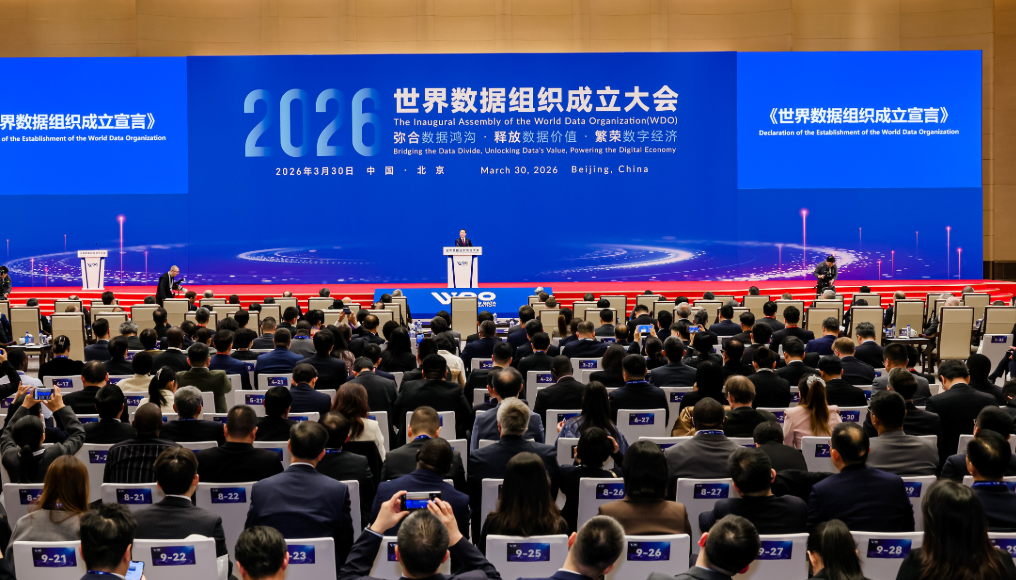
 Data Organisation: China's Push for Global Standards
China has taken a notable step in shaping the future of the digital economy. According to recent reports, the country has established a new data organisation aimed at building global consensus on how data is managed, shared, and governed.
The move comes at a time when data is becoming one of the most valuable economic assets. Governments and corporations are increasingly aware that control over data flows can influence everything from artificial intelligence development to cross-border trade.
Interestingly, this new data organisation is not just a domestic initiative. It is designed with global participation in mind, signalling China's intention to play a larger role in setting international standards.
A Strategic Push for Global Data Standards
The creation of this data organisation reflects a broader strategy. China is seeking to position itself as a key voice in global data governance.
Data has become central to modern economies. It powers AI models, drives business decisions, and supports digital services. Yet, there is no unified global framework governing how data should be handled.
This is where the new data organisation comes in. Its objective is to bring together industry players, policymakers, and researchers to develop shared standards. These could include rules on:
- Data security and protection
- Cross-border data transfers
- Ethical use of data in AI systems
- Interoperability between national data frameworks
Setting the rules for data means influencing the direction of entire industries. The country that shapes data governance today may well shape the global economy tomorrow.
Why a Data Organisation Matters Now
The timing of this initiative is significant. Global tensions around technology and data have been increasing, particularly between major economies. According to Reuters, international scrutiny over data governance frameworks has intensified as nations compete to define the rules of the digital age.
Different regions have adopted distinct approaches to data regulation:
- European Union: Focuses heavily on individual privacy and data protection rights.
- United States: Leans toward innovation and market-driven regulatory frameworks.
- China: Has emphasised state oversight, strategic control, and national data sovereignty.
A new data organisation could serve as a platform to bridge these differences. Or, at the very least, offer an alternative model that other countries may choose to follow.
Implications for the Digital Economy
The establishment of this data organisation could have far-reaching consequences for the global digital economy. Industries such as cloud computing, e-commerce, and artificial intelligence stand to be directly affected by any standards that emerge.
Technology companies could benefit from clearer guidelines on data handling. At the same time, they may face new compliance requirements depending on how these standards evolve and which governments choose to adopt them.
There is also a competitive dimension that cannot be overlooked. Countries that influence data rules often gain a structural advantage in shaping emerging technologies. Artificial intelligence, in particular, relies heavily on access to large, well-organised datasets. A country that sets the terms of data organisation effectively sets the terms of AI development.
Interestingly, this data organisation could also become a focal point for collaboration. It may attract participation from companies and institutions seeking to influence global standards from within, rather than standing apart from the process.
Market Reactions and Industry Perspective
Financial markets have not shown immediate volatility following the announcement. However, the long-term implications are drawing attention from analysts and institutional investors alike.
Technology stocks, especially those involved in data infrastructure and AI, could be indirectly affected. Changes in data organisation governance can influence everything from product development pipelines to market access conditions in key regions.
Investors are also weighing geopolitical factors. The formation of a data organisation with strong ties to China may deepen competition with Western regulatory models, potentially splitting the global data landscape into distinct blocs.
The key question remains open: will this data organisation lead to convergence in global standards, or will it accelerate further fragmentation?
A Broader Shift in Global Influence
This development highlights a broader and accelerating trend. Economic influence is no longer limited to traditional sectors such as manufacturing or energy. Data is emerging as a new pillar of global power, and data organisation is at the heart of that shift.
China's decision to establish a formal data organisation reflects this reality clearly. By shaping how data is governed internationally, the country is positioning itself at the centre of future technological ecosystems.
The impact will not be immediate. It will unfold gradually, as standards are proposed, debated, tested, and ultimately adopted or rejected by other nations and institutions.
Data governance is becoming a key battleground in the global economy. Initiatives like this data organisation are likely to play a central role in determining what the digital future looks like for businesses, governments, and citizens worldwide.
Still, the direction is clear. Those who shape the rules of data organisation today will hold considerable influence over the technologies and industries of tomorrow.
