

Анализ рынка
Stocks Rally, Oil Falls as Iran Tensions Ease, Risk Appetite Returns
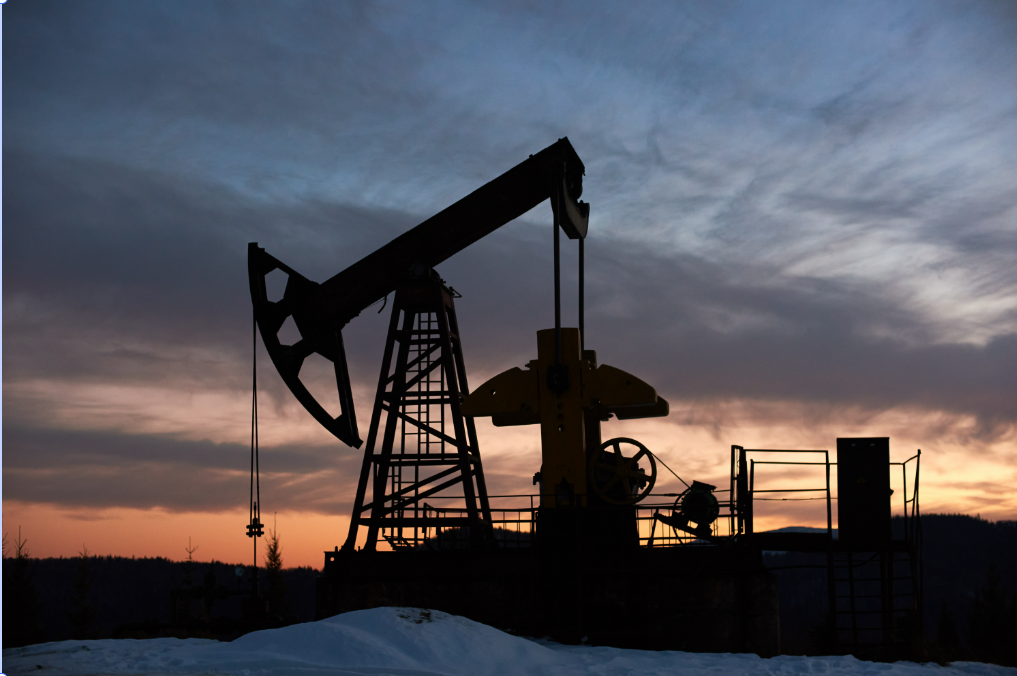 Stocks Rally, Oil Falls as Iran Tensions Ease, Risk Appetite Returns
Global financial markets are witnessing a notable reversal as geopolitical tensions in the Middle East temporarily ease. The United States’ decision to extend its deadline for Iran has reduced concerns over an immediate energy shock, supporting a return in risk appetite. This development has not only impacted oil prices but also spread across equities, currencies, and bond markets. In this context, investors need to reassess macro expectations and short-term capital flow direction.
Easing Geopolitical Tensions: A Catalyst for Market Reversal
The U.S. decision to extend the timeline related to Iran and the Strait of Hormuz has significantly reduced the short-term risk of global oil supply disruptions, directly impacting oil prices. This move is likely tactical, aimed at prolonging negotiations rather than signaling immediate military action.
Previously, markets reacted strongly to negative scenarios amid concerns that oil prices could surge and reignite inflation pressures. However, as these risks temporarily subside, market sentiment has quickly improved, highlighting the high sensitivity of financial assets to geopolitical developments in the current environment.
According to Reuters, recent oil price movements largely reflect geopolitical expectations rather than actual supply-demand dynamics.
Market Reaction: Stocks Rise, Oil and USD Show Volatility
The shift in geopolitical conditions has triggered broad reactions across financial markets, with Asian equities showing a clear rebound following previous sell-offs. This reflects a return of risk appetite as concerns over energy shocks linked to oil prices ease.
Meanwhile, the oil market has experienced sharp two-way volatility, with oil prices falling significantly before staging a mild recovery. This suggests that current pricing remains heavily driven by expectations rather than underlying supply-demand fundamentals. The U.S. dollar has also weakened amid declining safe-haven demand, allowing major currencies to recover and reflecting a temporary rotation of capital away from defensive assets.
- Equities rebound as risk-on sentiment returns
- Oil prices show two-way volatility
- Capital rotates away from safe-haven assets
Shifting Rate Expectations: Pressure on Global Yields
The easing in oil prices has contributed to adjustments in global monetary policy expectations, especially as inflation remains a key variable. With reduced pressure from energy costs, markets are lowering expectations for aggressive tightening by central banks.
This is reflected in the decline of U.S. Treasury yields before stabilizing. At the same time, policy outlooks for major central banks such as the Bank of England and the European Central Bank are being revised toward a more dovish stance. However, this trend could reverse if oil prices rise again, particularly in the event of unexpected geopolitical escalation.
Capital Flows and Market Sentiment: Risk-On Returns but Remains Fragile
Recent developments indicate that capital is rotating back into risk assets after a short defensive phase, reflected in rising equity markets and a weaker U.S. dollar, alongside easing oil prices.
However, the sustainability of this trend remains limited, as markets continue to react sharply to geopolitical developments. This suggests that investor sentiment remains cautious, with rapid shifts between risk-on and risk-off modes depending on news flow.
- Capital flows back into risk assets
- Market sentiment remains cautious
- Volatility driven by geopolitical developments
In this context, current supportive factors may prove temporary without clearer improvements in macro fundamentals and geopolitical stability, particularly those affecting oil prices.
Outlook and Scenarios: Volatility Likely to Persist
In the short term, markets are likely to remain highly volatile as the extended deadline related to Iran approaches. If negotiations progress positively and no disruption occurs in the Strait of Hormuz, oil prices may stabilize or decline, supporting equity market recovery.
Conversely, if tensions escalate again, oil prices could surge, reigniting inflation pressures and increasing volatility across financial markets. Therefore, geopolitical developments will remain a key variable shaping market trends in the near term.
Recent developments in the Middle East have brought temporary relief to global financial markets, but risks remain. The recovery in equities, alongside volatility in oil and the U.S. dollar, reflects the growing dependence of markets on geopolitical factors. In this environment, investors should closely monitor both policy signals and geopolitical developments, as even small shifts in expectations can lead to significant movements across asset classes, particularly oil prices.
DISCLAIMER: Derivative products carry high risk and may result in the loss of your entire invested capital. Before trading, ensure you fully understand the legal framework, product characteristics, and your broker’s trading rules. Always trade responsibly and with caution.
RISK WARNING: Margin trading with leverage is not suitable for all investors due to its high risk. THERE ARE NO GUARANTEED RETURNS in trading. Beware of any claims promising assured profits. Only use capital you can afford to lose. Before engaging in any transaction, ensure you understand the risks and assess both your experience and risk tolerance.
