

Анализ рынка
Dollar Holds Losses as Risk Sentiment Improves Ahead of Central Bank Decisions
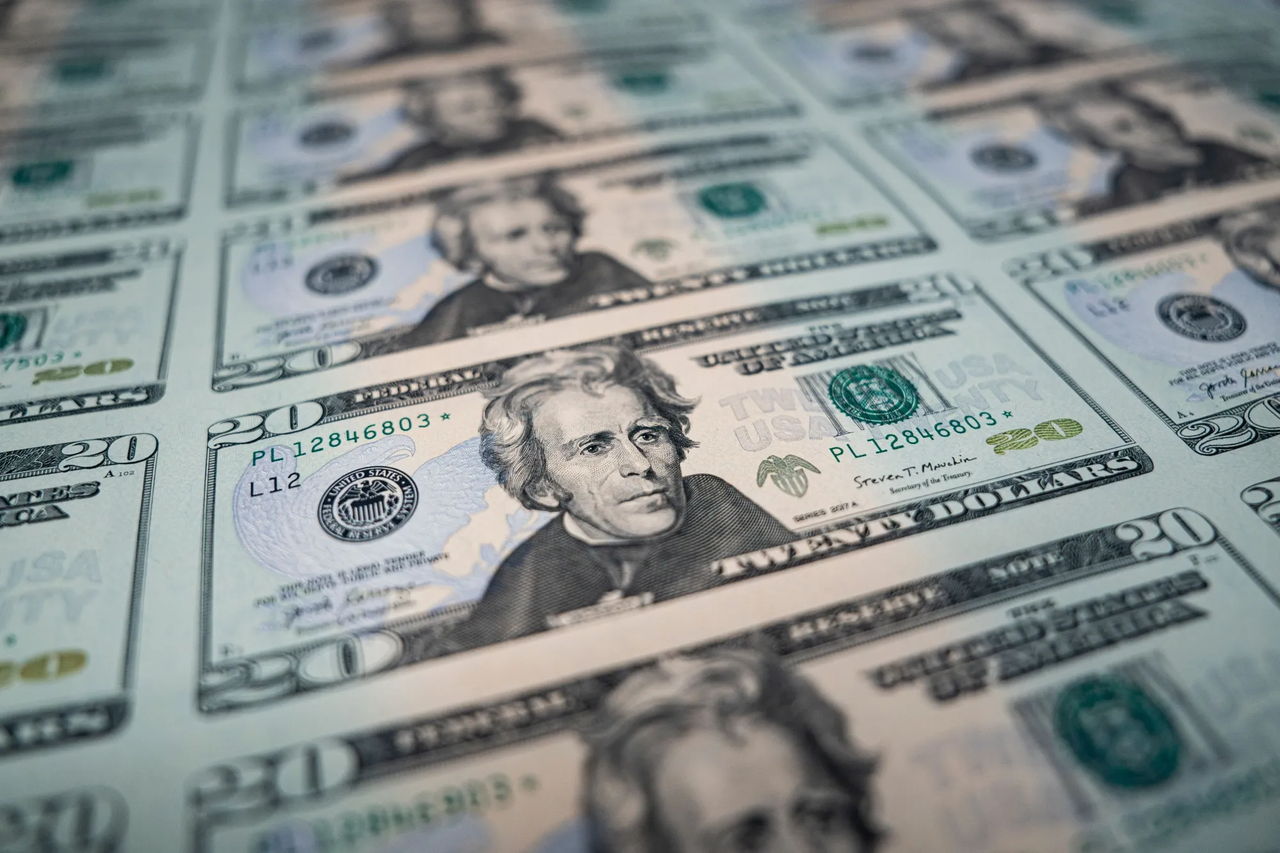 U.S. dollar Holds Losses Before Central Bank Moves
The U.S. dollar remained under pressure on Wednesday as improving risk sentiment encouraged investors to cautiously shift toward higher-yielding assets ahead of key central bank decisions. After a strong rally in previous sessions, the U.S. dollar showed signs of consolidation as markets reassessed geopolitical risks and monetary policy expectations.
U.S. dollar Weakens as Risk Appetite Returns
Following two days of decline, the U.S. dollar index hovered near 99.56, reflecting a modest pullback from its recent highs. The earlier strength of the U.S. dollar was driven by safe-haven demand amid escalating tensions in the Middle East and rising oil prices.
However, a stabilization in energy markets has helped reduce immediate volatility concerns. This shift allowed investors to regain some confidence, weakening demand for the U.S. dollar as a defensive asset.
According to Reuters, analysts noted that while price movements have calmed, geopolitical risks remain elevated and could quickly reignite volatility in the U.S. dollar.
Currency Market Reactions to U.S. dollar Movement
The Japanese yen strengthened slightly to 158.91 per dollar, rebounding from levels that had previously triggered concerns about possible intervention. The movement reflects shifting sentiment away from the U.S. dollar as immediate risk fears ease.
Meanwhile, the euro held steady at $1.1538 after two days of gains, while the British pound traded at $1.3353. These movements indicate a broader pause in the rally of the U.S. dollar as investors await further policy direction.
- Yen gains on reduced intervention fears
- Euro stabilizes ahead of ECB decision
- Pound holds steady amid cautious sentiment
Geopolitical Tensions and U.S. dollar Demand
Geopolitical developments continue to influence the trajectory of the U.S. dollar. The ongoing Middle East conflict has intensified, adding uncertainty to global markets. Safe-haven flows previously supported the U.S. dollar, but recent stabilization has softened that demand.
In addition, diplomatic disruptions have emerged. The postponement of a planned meeting between U.S. and Chinese leaders highlights how geopolitical tensions are affecting global economic engagement and indirectly impacting the U.S. dollar.
Central Banks in Focus: Impact on U.S. dollar Outlook
Attention now turns to major central banks, including the Federal Reserve, European Central Bank, Bank of England, and Bank of Japan. Their policy decisions are expected to play a crucial role in shaping the next move for the U.S. dollar.
While rates are expected to remain unchanged, investors are closely monitoring forward guidance on inflation and growth. Market expectations for Federal Reserve rate cuts have been scaled back, which could provide underlying support for the U.S. dollar in the medium term.
- Federal Reserve policy outlook
- ECB tightening expectations
- Global inflation signals
Broader Market Movements and U.S. dollar Trends
In other markets, the Australian dollar posted modest gains, while the New Zealand dollar edged lower. Cryptocurrencies also declined slightly, reflecting mixed sentiment across asset classes as the U.S. dollar stabilizes.
Overall, the U.S. dollar remains a central focus for global investors. Its direction will likely depend on the balance between geopolitical developments and monetary policy signals in the coming days.
DISCLAIMER: Derivative products carry high risk and may result in the loss of your entire invested capital. Before trading, ensure you fully understand the legal framework, product characteristics, and your broker’s trading rules. Always trade responsibly and with caution.
RISK WARNING: Margin trading with leverage is not suitable for all investors due to its high risk. THERE ARE NO GUARANTEED RETURNS in trading. Beware of any claims promising assured profits. Only use capital you can afford to lose. Before engaging in any transaction, ensure you understand the risks and assess both your experience and risk tolerance.
