

Análises de mercado
US 30-Year Treasury Yield Climbs to Highest Level Since 2007 as Stocks Rebound
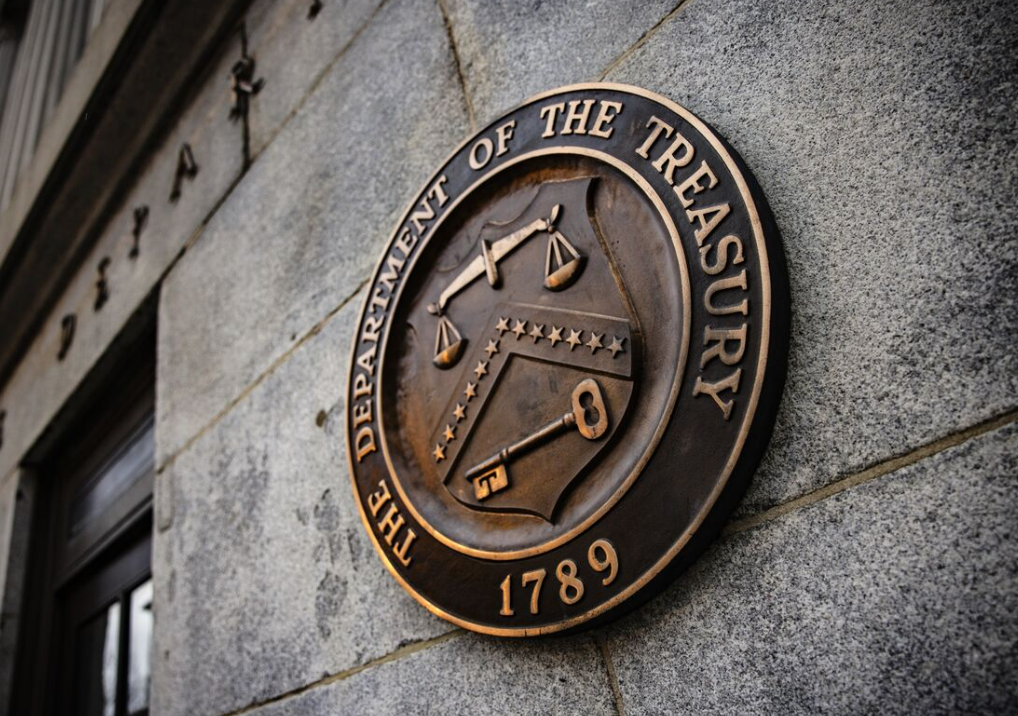 US Treasury Yield Surges to Highest Level Since 2007
The US Treasury yield on 30-year bonds climbed to its highest level since 2007 on 30 July 2026, highlighting growing concerns about inflation, government borrowing, and the future direction of interest rates. At the same time, Wall Street attempted to recover following a mixed corporate earnings season, creating a tug of war between improving company results and tightening financial conditions.
Bond markets often attract less public attention than equities. Yet they frequently provide some of the clearest signals about investor expectations. According to Reuters, this latest move in the US Treasury yield suggests that markets continue to price in higher long-term borrowing costs despite expectations that the Federal Reserve is nearing the end of its current policy cycle.
For investors, the message is becoming increasingly clear. The cost of capital remains elevated, and that reality continues to shape investment decisions across nearly every asset class.
Why the US Treasury Yield Matters
The US Treasury yield on 30-year debt represents the interest rate investors demand to lend money to the US government for three decades.
Unlike short-term Treasury yields, which are influenced heavily by Federal Reserve policy, longer-term yields reflect broader expectations surrounding inflation, economic growth, government debt issuance, and future fiscal policy.
When long-term yields rise, borrowing generally becomes more expensive across the economy:
- Mortgage rates often increase
- Corporate borrowing costs move higher
- Infrastructure financing becomes more expensive
Even company valuations can come under pressure because higher interest rates reduce the present value of future earnings. Interestingly, this explains why equity markets often react negatively when Treasury yields climb sharply, even if economic data remains relatively strong.
What Is Driving Bond Yields Higher?
Several factors have contributed to the recent rise in the US Treasury yield. Markets continue to assess the Federal Reserve's latest policy guidance, with many investors concluding that interest rates could remain elevated for longer than previously expected.
At the same time, concerns over expanding US government borrowing have increased Treasury issuance, creating additional supply that investors must absorb.
Supply and demand remain fundamental drivers of bond prices. When more bonds enter the market, yields often need to rise to attract sufficient buyers.
Inflation expectations also remain an important consideration. Although headline inflation has moderated compared with previous peaks, policymakers continue emphasising the need to ensure inflation returns sustainably towards target before considering meaningful policy easing. As a result, investors are demanding higher compensation for holding longer-term government debt.
Stocks Attempt a Recovery Despite Higher Yields
Even as the US Treasury yield climbed to levels not seen since 2007, US equities showed signs of resilience. Several companies delivered stronger-than-expected earnings, helping major stock indices recover from earlier weakness, as reported by Bloomberg.
Corporate earnings remain one of the most influential drivers of equity prices. Strong revenue growth, improving profit margins, and optimistic forward guidance can offset some of the pressure created by rising bond yields.
Still, markets remain cautious. Higher financing costs can gradually affect business investment, consumer spending, and future earnings growth if elevated borrowing costs persist. This explains why investors continue monitoring both earnings reports and Treasury market movements simultaneously.
Financial Conditions Continue to Tighten
Higher long-term bond yields effectively tighten financial conditions across the economy.
- Businesses face increased borrowing costs when issuing corporate bonds
- Consumers may encounter higher mortgage rates and more expensive financing for major purchases
- Banks also adjust lending rates in response to rising benchmark yields
Financial conditions do not tighten only when the Federal Reserve raises its benchmark interest rate. Markets themselves can create tighter conditions through higher bond yields, wider credit spreads, and increased borrowing costs.
That dynamic has become increasingly important during recent months. Even without additional policy rate increases, elevated US Treasury yield levels continue influencing economic activity.
Global Markets Are Paying Attention
The rise in the US Treasury yield extends well beyond American financial markets. US Treasury securities serve as global benchmark assets. When their yields rise, investors frequently reassess risk across international equities, emerging markets, corporate debt, and foreign exchange markets.
Higher US yields can strengthen the US dollar by attracting global capital seeking relatively attractive returns. Emerging market assets sometimes experience additional pressure as investors shift funds towards safer government securities offering higher yields.
Investors Face a More Complex Market Environment
The latest market session illustrates the competing forces shaping financial markets in 2026. On one side, corporate earnings continue demonstrating resilience across several sectors. On the other, the US Treasury yield reflects persistent concerns surrounding inflation, government borrowing, and higher financing costs.
Neither factor should be viewed in isolation. Bond yields provide valuable insight into long-term economic expectations, while earnings reveal how businesses are performing under current financial conditions. Together, they offer a more complete picture of market sentiment.
As investors continue evaluating incoming economic data, inflation reports, and Federal Reserve communication, movements in long-term US Treasury yield levels are likely to remain one of the most closely watched indicators.
The recent climb above levels last seen in 2007 serves as a reminder that the bond market continues to shape expectations for the broader economy, influencing everything from corporate investment decisions to equity valuations and global capital flows, according to Reuters.
DISCLAIMER: Derivative products carry high risk and may result in the loss of your entire invested capital. Before trading, ensure you fully understand the legal framework, product characteristics, and your broker’s trading rules. Always trade responsibly and with caution.
RISK WARNING: Margin trading with leverage is not suitable for all investors due to its high risk. THERE ARE NO GUARANTEED RETURNS in trading. Beware of any claims promising assured profits. Only use capital you can afford to lose. Before engaging in any transaction, ensure you understand the risks and assess both your experience and risk tolerance.
