

Análises de mercado
German Exports Rise Unexpectedly as Strong US Demand Supports Trade Recovery
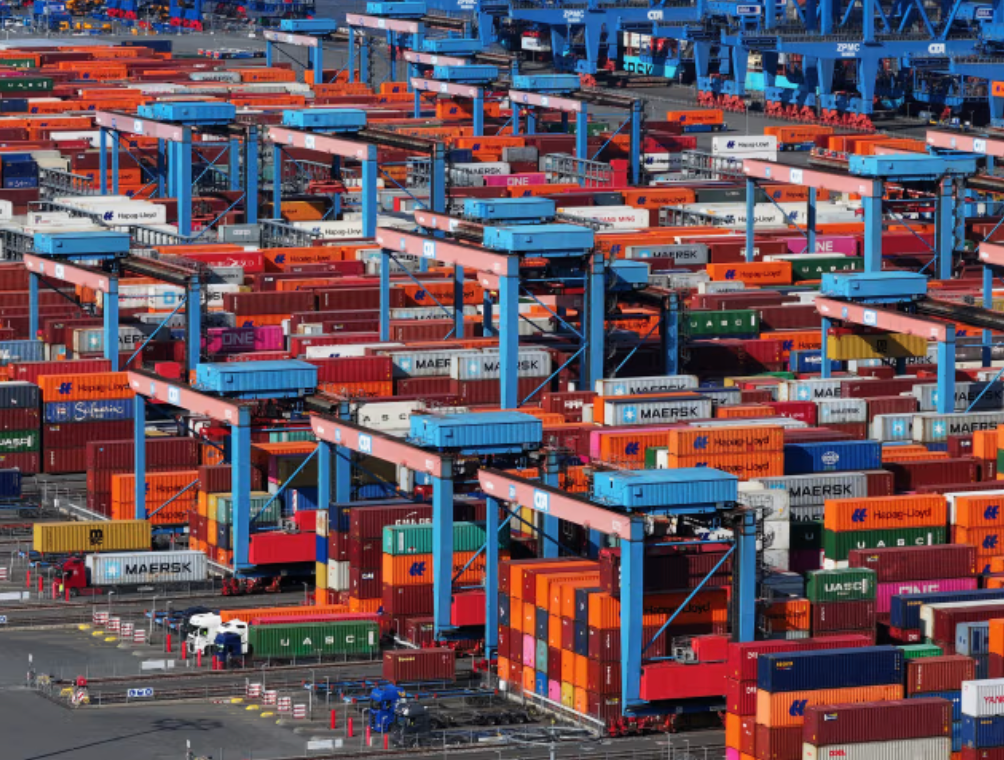 German Exports Rise as US Demand Strengthens Trade Outlook
Fresh economic data has provided an encouraging signal for Europe's largest economy. German exports increased unexpectedly in May, supported by stronger demand from the United States and improving overseas shipments despite ongoing uncertainty surrounding global trade and geopolitical tensions.
According to Germany's Federal Statistical Office, exports rose 1.2% from April, exceeding economists' expectations of a decline. The stronger-than-forecast performance helped ease concerns that Germany's export-driven economy was losing momentum after a challenging start to the year.
The latest figures arrive at an important time. Investors have been watching closely for signs that Germany's manufacturing sector and international trade activity are beginning to stabilise following months of weak industrial production and subdued business confidence.
Interestingly, the improvement appears to have been driven largely by demand from the United States, highlighting the continued importance of the US market for German exporters.
Strong US Demand Boosts German Exports
The latest increase in German exports was primarily supported by higher shipments to the United States, which remained one of Germany's largest export destinations during May.
According to Reuters, stronger American demand helped offset softer trade conditions in several other regions, allowing total exports to outperform market forecasts.
For Germany, exports remain a key pillar of economic growth. Industries relying heavily on overseas demand include:
- Automobiles
- Industrial machinery
- Chemicals
- Pharmaceuticals
- Engineering products
When export activity improves, it often provides wider support for manufacturing output, employment, and business investment. That explains why financial markets pay close attention to every monthly trade release.
Germany's Manufacturing Sector Shows Signs of Stability
The latest German exports report also offers cautious optimism for the country's manufacturing sector.
German factories have faced multiple challenges over the past two years, including:
- Higher borrowing costs
- Elevated energy prices
- Slowing global demand
- Supply chain disruptions
Although many of those pressures have not disappeared entirely, recent economic indicators suggest conditions may be gradually improving.
Business confidence remains mixed, but stronger export orders could help manufacturers rebuild momentum during the second half of the year.
The United States Remains a Critical Trading Partner
The latest data once again highlights the importance of the United States for German exports.
American consumers and businesses continue to purchase significant volumes of German-made vehicles, industrial equipment, medical technology, and specialised manufacturing products.
Despite ongoing discussions surrounding tariffs, trade policy, and global supply chains, commercial demand between the two economies has remained relatively resilient. Analysts believe this relationship has helped cushion Germany against weaker demand from several other international markets.
At the same time, policymakers continue monitoring trade negotiations that could influence future export performance.
What the Trade Data Means for the Eurozone
The improvement in German exports carries significance beyond Germany itself.
As the largest economy in the Eurozone, Germany plays a central role in regional manufacturing activity and international trade. Stronger export performance can support suppliers across neighbouring European countries while contributing positively to overall economic growth.
Financial markets therefore often treat German trade data as an important indicator of broader Eurozone economic health. Should export growth continue in the coming months, investors may become more optimistic about Europe's manufacturing outlook after an extended period of subdued activity.
However, economists remain cautious about drawing broad conclusions from a single monthly report. Global trade conditions remain highly sensitive to geopolitical developments, interest rate expectations, and fluctuations in international demand.
Investors Continue Monitoring Economic Momentum
The stronger German exports figures arrive as investors assess several competing themes affecting the global economy.
Inflation has moderated across much of Europe, allowing the European Central Bank to gradually shift its policy focus toward supporting economic growth. At the same time, geopolitical tensions, energy prices, and slowing activity in certain overseas markets continue to present risks.
Export performance therefore remains one of the clearest indicators of how well Germany's economy is adapting to changing global conditions.
Currency traders are also monitoring the data closely. Improving exports can support confidence in the euro by strengthening expectations that economic activity within the Eurozone is becoming more resilient. Nevertheless, exchange rate movements will continue to depend on broader monetary policy developments on both sides of the Atlantic.
Markets Will Look for Confirmation
The latest German exports report provides a welcome surprise after months of relatively weak trade data. Stronger demand from the United States has helped lift overseas shipments and offered fresh evidence that parts of Germany's export sector remain resilient despite an uncertain global backdrop.
Whether this marks the beginning of a broader recovery will depend on future economic releases. Investors will continue watching manufacturing surveys, industrial production figures, business confidence indicators, and upcoming trade reports to determine whether export growth can be sustained.
For now, the stronger-than-expected increase in German exports offers a constructive signal for Germany's economy and the wider Eurozone. While challenges remain, improving external demand may provide manufacturers with greater confidence as they navigate the remainder of 2026.
DISCLAIMER: Derivative products carry high risk and may result in the loss of your entire invested capital. Before trading, ensure you fully understand the legal framework, product characteristics, and your broker’s trading rules. Always trade responsibly and with caution.
RISK WARNING: Margin trading with leverage is not suitable for all investors due to its high risk. THERE ARE NO GUARANTEED RETURNS in trading. Beware of any claims promising assured profits. Only use capital you can afford to lose. Before engaging in any transaction, ensure you understand the risks and assess both your experience and risk tolerance.
