

Análises de mercado
Strait of Hormuz Tensions Escalate as US and Iran Exchange Strikes After Tanker Attacks
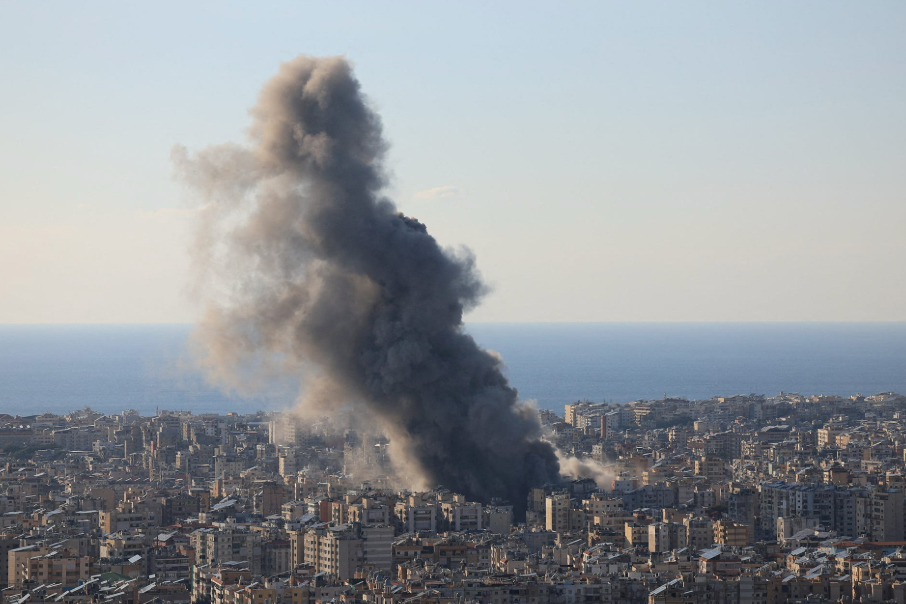 Strait of Hormuz Tensions Rattle Global Oil Markets
The Strait of Hormuz has once again become the centre of global attention after a series of tanker attacks and escalating military exchanges between the United States and Iran raised fresh concerns over regional stability. The latest developments have renewed fears of potential disruptions to one of the world's most important energy shipping routes, prompting investors to reassess geopolitical risks across financial markets.
According to Reuters, reports published on July 8, 2026 confirmed that the United States and Iran exchanged strikes following attacks on commercial tankers operating in the Strait of Hormuz. The incident immediately drew international attention, with governments and financial markets closely monitoring whether the confrontation could develop into a broader regional conflict.
Interestingly, while oil production has not experienced a major disruption so far, markets often respond well before any physical supply interruption occurs. Expectations alone can be enough to influence investor behaviour.
Why the Strait of Hormuz Matters
The Strait of Hormuz is widely regarded as one of the world's most strategically important maritime chokepoints.
Located between Oman and Iran, the narrow waterway connects the Persian Gulf to the Gulf of Oman and the Arabian Sea. A substantial share of the world's crude oil exports and liquefied natural gas shipments passes through this corridor every day.
That makes the Strait of Hormuz critical to global energy security.
Any military activity, shipping disruption, or political instability affecting the region can immediately influence oil prices, freight costs, insurance premiums, and broader financial markets.
For investors, developments in the Strait of Hormuz often serve as an early warning indicator for potential market volatility.
Tanker Attacks Renew Supply Concerns
The latest confrontation began after commercial tankers operating near the Strait of Hormuz were reportedly hit, raising immediate concerns about the safety of international shipping.
Although investigations into the incidents continue, the attacks have already prompted increased security measures across the region. According to BBC, shipping companies and insurers are closely monitoring these developments because any increase in operational risk can raise transportation costs and delay deliveries.
Even when physical damage remains limited, uncertainty surrounding maritime security often influences commodity markets. That explains why energy traders reacted quickly following reports of the tanker attacks.
The possibility of future disruptions has become a significant consideration for investors assessing global energy supplies.
Oil Markets Respond to Geopolitical Risk
The renewed tensions surrounding the Strait of Hormuz quickly influenced crude oil prices.
Brent crude and West Texas Intermediate (WTI) moved higher as traders priced in a larger geopolitical risk premium. Markets frequently respond to expectations rather than confirmed supply losses.
If shipping traffic through the Strait of Hormuz were to become more restricted, global oil availability could tighten rapidly given the region's importance to international energy exports.
Let that sink in: a single shipping route carries a meaningful share of the world's energy supply.
Even temporary uncertainty surrounding that route can influence prices across multiple asset classes. This explains why geopolitical headlines often trigger immediate reactions throughout commodity markets.
Safe Haven Assets Also Attract Attention
Periods of heightened geopolitical uncertainty often encourage investors to shift capital toward defensive assets.
- Gold typically attracts stronger demand during periods of military conflict or rising political tensions.
- Government bonds may also benefit as investors seek relatively lower-risk investments.
- Currency markets often react as well, with the US dollar and Japanese yen historically strengthening during episodes of increased geopolitical uncertainty.
The latest developments involving the Strait of Hormuz therefore extend beyond energy markets alone. Equities, foreign exchange markets, commodities, and fixed income securities can all experience increased volatility when geopolitical risks intensify.
Global Trade Could Face Additional Challenges
The significance of the Strait of Hormuz extends well beyond crude oil.
The route also supports the transportation of refined petroleum products, liquefied natural gas, and numerous other commodities that are essential to international trade.
- Higher transportation costs for global shipping companies.
- Increased manufacturing and logistics expenses.
- Potential upward pressure on consumer prices worldwide.
Central banks also monitor such developments carefully because prolonged increases in energy costs may contribute to renewed inflationary pressures. As a result, geopolitical events in the Middle East frequently become global economic issues rather than remaining regional concerns.
Diplomatic Developments Remain Critical
While military exchanges have intensified attention on the Strait of Hormuz, investors continue watching diplomatic efforts just as closely.
Government statements, international mediation, sanctions policy, and military activity will all influence how financial markets assess future risks. According to Al Jazeera, regional officials have called for restraint amid fears of further escalation.
History has shown that geopolitical tensions can either ease quickly through diplomatic negotiations or escalate unexpectedly depending on changing circumstances. Because of that uncertainty, investors are likely to remain cautious until greater clarity emerges.
Market participants will also continue monitoring shipping activity, naval operations, insurance conditions, and official updates from governments operating within the region.
A Region That Continues to Shape Global Markets
The latest events surrounding the Strait of Hormuz reinforce the strategic importance of one of the world's busiest energy corridors. Although the immediate impact has centred on oil prices and geopolitical risk, the implications extend across financial markets, global trade, inflation expectations, and investor sentiment.
Whether tensions ease or intensify in the coming weeks will depend on political decisions, diplomatic engagement, and developments on the ground. Until then, the Strait of Hormuz is likely to remain one of the most closely watched regions by investors seeking to understand the direction of global energy markets and broader economic stability.
DISCLAIMER: Derivative products carry high risk and may result in the loss of your entire invested capital. Before trading, ensure you fully understand the legal framework, product characteristics, and your broker’s trading rules. Always trade responsibly and with caution.
RISK WARNING: Margin trading with leverage is not suitable for all investors due to its high risk. THERE ARE NO GUARANTEED RETURNS in trading. Beware of any claims promising assured profits. Only use capital you can afford to lose. Before engaging in any transaction, ensure you understand the risks and assess both your experience and risk tolerance.
