

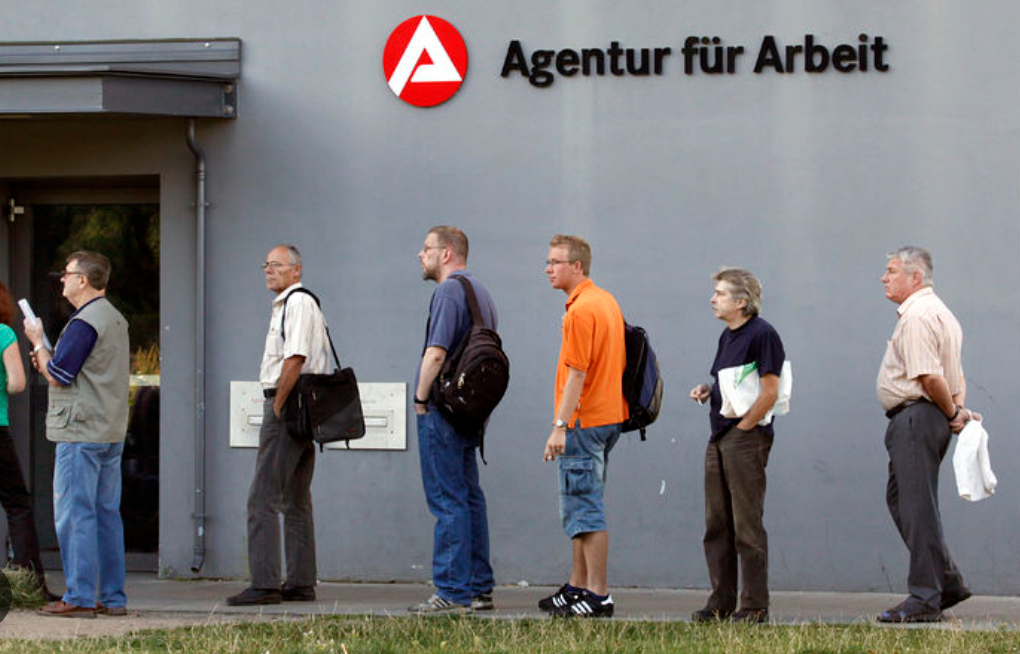
 German Unemployment Declines Unexpectedly in June
German unemployment unexpectedly declined in June, signalling resilience in the labour market despite ongoing economic challenges across Europe.
Market Defied Expectations
Germany's labour market delivered an unexpected boost to investor confidence after official figures showed German unemployment declined in June, defying expectations of another monthly increase. According to Reuters, the latest data from Germany's Federal Employment Agency revealed that the number of unemployed people fell by 5,000 on a seasonally adjusted basis, compared with economists' forecasts for an increase of around 10,000.
The unemployment rate remained unchanged at 6.3%, suggesting that Europe's largest economy continues to demonstrate resilience despite facing slower economic growth and persistent global uncertainty. The figures arrive at an important time for financial markets, as investors have been searching for signs that Germany's economy may be stabilising after an extended period of sluggish industrial activity and weaker business confidence.
Understanding Employment Trends
Interestingly, one month's data rarely changes the broader economic picture overnight. Even so, positive surprises in employment often influence expectations for consumer spending, monetary policy and corporate earnings. The decline in German unemployment caught many analysts off guard, particularly given recent economic headwinds.
In recent months, economists had anticipated continued weakness in the labour market as manufacturers faced softer external demand and higher operating costs. Instead, June's report pointed to a more stable employment environment than previously expected. Although hiring activity has moderated compared with previous years, employers appear reluctant to reduce their workforce aggressively.
Why Employers Retained Workers
This reflects a challenge many companies continue to face. Following widespread labour shortages after the pandemic, businesses remain cautious about letting experienced workers go, recognising that recruiting skilled employees could become difficult once economic conditions improve. That dynamic has helped prevent a sharper rise in German unemployment, even as growth has remained subdued.
Labour Market Resilience Supports the Economy
Employment plays a central role in Germany's economic performance. A relatively stable labour market helps sustain household income, which in turn supports consumer spending across Europe's largest economy. When employment remains resilient, domestic demand often becomes an important buffer against weakness in exports or manufacturing output.
This is particularly relevant for Germany. The country's export-oriented economy has faced multiple challenges, including:
- Weaker global demand
- Geopolitical tensions
- Ongoing adjustments within the automotive and industrial sectors
A healthier labour market cannot eliminate those challenges, but it can reduce their immediate impact on overall economic activity.
Implications for Monetary Policy
The latest German unemployment figures also carry implications for monetary policy. The European Central Bank has been carefully balancing inflation risks against slowing economic growth. Stronger labour market conditions may reinforce expectations that wage pressures could remain elevated, potentially influencing inflation over the medium term.
Policymakers are unlikely to place excessive weight on a single monthly report. Instead, they will continue monitoring broader indicators, including inflation, business activity, consumer confidence and wage growth before adjusting interest rate expectations.
Even so, stronger-than-expected employment data may encourage investors to reassess how quickly the ECB could ease monetary policy in the months ahead.
Manufacturing Challenges Persist
Despite the positive labour market surprise, Germany's broader economic outlook remains mixed. Industrial production continues to face headwinds from weaker global demand and structural changes affecting several key sectors. Manufacturers are also navigating higher energy costs compared with pre-crisis levels, while international trade uncertainties continue to weigh on business investment decisions.
For that reason, economists caution against interpreting the latest German unemployment figures as confirmation that all economic challenges have been resolved. Rather, the report suggests that the labour market is proving more resilient than many had expected. That distinction is important. Economic recoveries rarely follow a straight path, and individual indicators often improve at different speeds.
Financial Market Response
Investors generally respond favourably when economic data exceeds expectations. A lower-than-expected German unemployment reading may improve confidence in German equities, particularly companies exposed to domestic consumer demand. Financial markets also tend to interpret stable employment as a sign that recession risks remain contained.
Meanwhile, currency traders will assess whether stronger labour market conditions could provide modest support for the euro, particularly if additional economic indicators point toward improving momentum across the Eurozone. The reaction, however, will ultimately depend on a broader combination of inflation data, central bank communication and global market conditions.
Key Indicators to Monitor
While June's report represents encouraging news, investors will continue monitoring several developments before drawing broader conclusions about Germany's economic trajectory. Key indicators include:
- German inflation data
- Eurozone business activity surveys
- Industrial production figures
- Consumer confidence readings
- European Central Bank policy decisions
Looking Forward
The unexpected decline in German unemployment offers a welcome reminder that Europe's largest economy continues to demonstrate pockets of resilience despite an uncertain global backdrop. While manufacturing activity remains under pressure and economic growth is still modest, the labour market has provided an important source of stability.
Employers appear committed to retaining workers, household incomes remain supported and consumer spending may continue to provide a foundation for economic activity. Whether this improvement develops into a sustained trend will depend on future economic data, policy decisions and global demand conditions. For now, the latest employment figures suggest that Germany's economy may be proving more resilient than many market participants had anticipated.
