

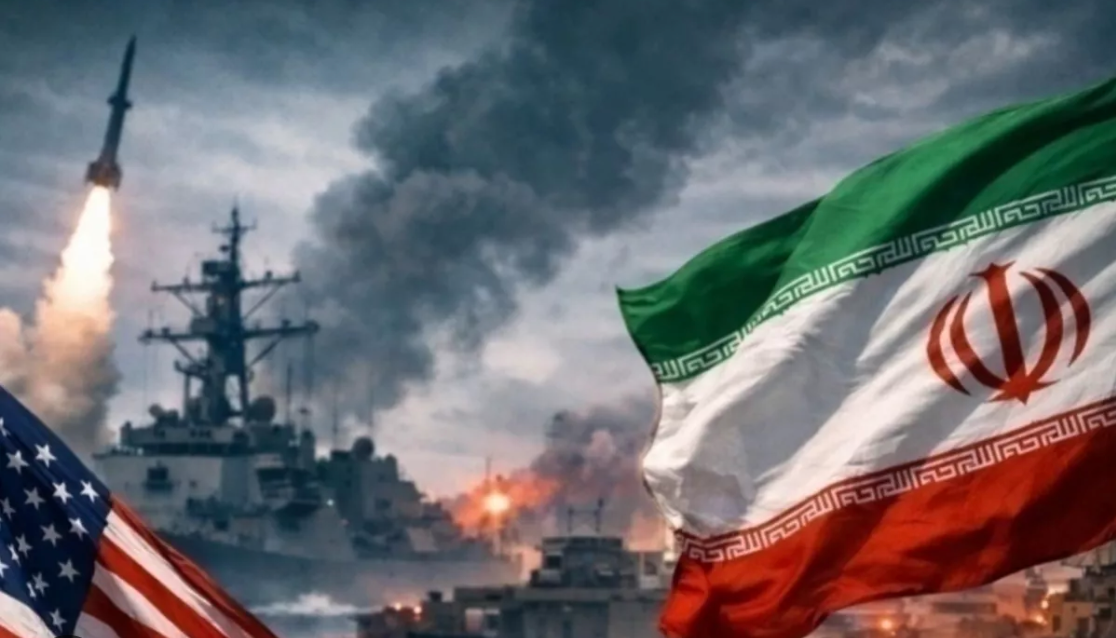
Oil Prices Rally Following Diplomatic Failure
Oil prices moved sharply higher on Monday after the United States and Iran failed to reach an agreement on a proposed peace framework, reigniting concerns over geopolitical instability in the Middle East and the potential impact on global energy supplies. Brent crude futures rose significantly during early trading, while West Texas Intermediate also posted gains as investors reacted to growing uncertainty surrounding the negotiations.
Traders had initially hoped the discussions could reduce tensions in the region. Instead, the lack of progress has intensified fears that disruptions to oil transportation routes and regional energy infrastructure could become more likely. According to Reuters, diplomatic discussions between Washington and Tehran ended without a breakthrough after disagreements remained unresolved on several critical conditions tied to sanctions relief and regional security arrangements.
Market Reaction and Supply Concerns Intensify
The market reaction to oil prices fluctuations was swift and decisive. Oil traders immediately shifted attention toward supply risks, particularly surrounding the Strait of Hormuz, one of the world's most important oil shipping routes. Roughly a fifth of global oil consumption passes through the narrow waterway each day, making it a critical chokepoint for energy markets.
Even small signs of instability in this region tend to ripple across energy markets within hours. The latest move in oil prices reflects more than short-term speculation. Investors are increasingly pricing geopolitical risk back into the energy market after several months of relative stability.
Oil Prices React to Rising Geopolitical Risk
The oil prices rally came as traders reassessed the probability of prolonged tensions between the United States and Iran. Market sentiment had briefly improved last week amid hopes that negotiations could lower military risks and stabilise supply expectations across the Middle East. That optimism faded quickly once talks collapsed.
Analysts noted that energy markets remain highly sensitive to developments involving Iran because of the country's strategic position within global oil transport networks. Any escalation in regional tensions could affect shipping activity, insurance costs, and production flows across neighbouring energy producers.
Several commodity strategists also pointed to the psychological impact of failed diplomacy. When negotiations collapse, uncertainty tends to expand far beyond the immediate political issue itself:
- Will sanctions tighten further on Iranian exports?
- Could shipping routes face additional security threats?
- Might oil-producing nations alter output strategies in response?
- How will oil prices stabilize if instability persists?
Those uncertainties often translate directly into higher oil prices across global markets.
OPEC+ Production Strategy and Oil Prices Dynamics
Market participants are also watching whether OPEC+ producers may adjust future production plans if volatility in oil prices continues rising. Higher oil prices can support revenues for exporting countries, although excessive price spikes may eventually weaken global demand if economic growth slows.
The interaction between supply management and oil prices has become increasingly complex. OPEC+ must balance the short-term benefits of elevated oil prices against the risk of demand destruction if prices remain too high for too long.
Energy Markets Remain Sensitive to Middle East Developments
The current oil prices surge arrives during an already fragile period for global markets. Inflation concerns have not disappeared entirely across major economies, while central banks remain cautious regarding interest rate policy. Higher energy costs from rising oil prices could complicate that picture further.
If oil prices continue climbing over the coming weeks, transportation expenses, manufacturing costs, and consumer fuel prices may also rise. That could place renewed pressure on inflation figures in Europe, the United States, and parts of Asia.
"Oil prices are now a critical variable in the inflation equation, particularly for economies dependent on energy imports," according to energy analysts tracking global market conditions.
Some analysts believe the situation remains manageable for now. However, they also warn that markets may react more aggressively if geopolitical tensions escalate beyond diplomatic disputes. Gold prices edged higher alongside crude oil, reflecting broader demand for defensive assets.
Broader Economic Impact of Oil Prices Volatility
Equity markets showed a more cautious tone as investors evaluated the potential economic impact of sustained energy volatility from elevated oil prices. Currency markets also reacted modestly, with oil-exporting nations generally benefiting from rising crude prices, while countries heavily dependent on imported energy face additional economic pressure.
The relationship between oil prices and macroeconomic outcomes remains complex. A sustained increase in oil prices could trigger several economic scenarios:
- Increased consumer costs for transportation and heating
- Higher production expenses for manufacturing industries
- Potential demand destruction if oil prices exceed economic thresholds
- Central bank policy responses to inflation from elevated energy prices
- Currency adjustments in energy-dependent economies
Traders Focus on Supply Stability and Market Direction
Beyond the immediate headlines, traders are now focusing on whether the failed US-Iran negotiations represent a temporary setback or the beginning of a more prolonged period of instability affecting oil prices. That distinction matters enormously for the oil prices outlook.
Short-lived diplomatic tensions can trigger temporary price spikes that eventually stabilise. Prolonged uncertainty, however, often creates deeper shifts in supply expectations and investment behaviour across the energy sector, directly impacting oil prices.
Large institutional investors are already increasing monitoring of shipping security, regional military developments, and official statements from both Washington and Tehran. Oil prices are expected to remain highly reactive to geopolitical headlines throughout the week ahead.
Global Demand Conditions and Oil Prices Sustainability
At the same time, global demand conditions continue influencing the broader market outlook affecting oil prices. Economic activity in China, Europe, and the United States will still play an important role in determining how sustainable the current oil prices rally becomes.
For now, caution appears to be dominating sentiment around oil prices forecasts. The failed negotiations may not have triggered an immediate supply disruption, yet the market response suggests investors are becoming less confident that tensions can be resolved smoothly in the near term.
That uncertainty alone is enough to move oil prices sharply higher, creating an environment where geopolitical developments and oil prices remain tightly coupled for the foreseeable future.
