

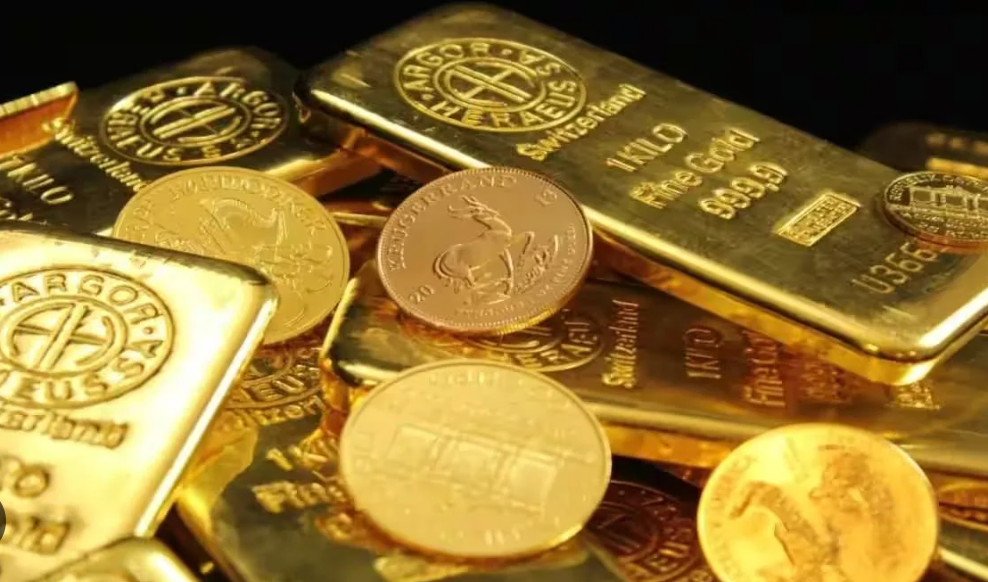
 Gold Prices Stay Strong During Iran Peace Hopes
Gold prices continued to hold substantial gains on May 7 as investors assessed growing hopes of a potential US-Iran truce and its implications for global inflation. While geopolitical tensions in the Middle East remain unresolved, recent diplomatic developments have slightly eased fears over energy supply disruptions and escalating oil prices.
The precious metal, however, has not surrendered its recent momentum. Gold prices often react sharply to changes in inflation expectations, interest rate outlooks, and geopolitical uncertainty. In recent weeks, all three factors have been moving simultaneously, creating an unusually complex environment for investors.
Interestingly, gold's resilience suggests that markets are still cautious despite signs of diplomatic progress. Spot gold remained elevated after a volatile trading period driven by concerns over oil supply risks linked to tensions involving Iran. Earlier fears that the conflict could significantly disrupt energy markets had pushed crude oil prices higher, fueling broader inflation concerns across global economies.
Now, with hopes of de-escalation gaining traction, investors appear to be recalibrating expectations. Still, the market response has been measured rather than dramatic. Traders are not fully convinced that geopolitical risks have disappeared. Instead, sentiment reflects a temporary easing of immediate fears rather than a complete return to stability.
Safe-Haven Demand Supporting Gold Market Strength
The gold market has spent much of 2026 navigating an environment dominated by uncertainty. Central bank policy shifts, fluctuating bond yields, geopolitical tensions, and inflation concerns have all contributed to heightened volatility. Yet gold prices have remained relatively firm throughout the turbulence.
Analysts say safe-haven demand continues to support the metal even as inflation fears cool slightly. The possibility of a US-Iran truce may reduce immediate pressure on energy markets, but investors remain aware that the broader geopolitical landscape is still fragile.
Several market strategists noted that investors are also monitoring the Federal Reserve closely. Lower inflation fears could reduce pressure on the Fed to maintain restrictive interest rates for an extended period. If rate hike expectations soften further, gold prices may continue finding support.
This relationship remains critical because gold does not generate yield. When interest rates rise aggressively, holding gold becomes relatively less attractive compared to yield-bearing assets. Conversely, expectations of slower tightening or eventual rate cuts often improve gold's appeal.
Energy Markets and Inflation Impact on Gold Prices
A major factor behind the recent movement in gold prices has been the sharp focus on energy markets. Oil prices surged earlier over fears that worsening tensions in the Middle East could disrupt key shipping routes and regional energy infrastructure. Such disruptions would likely raise transportation costs, manufacturing expenses, and consumer prices globally.
That scenario triggered renewed inflation concerns. Now, hopes surrounding a potential US-Iran truce have helped stabilize some of those fears. Oil markets remain volatile, but the absence of immediate escalation has reduced panic-driven buying activity.
Even so, analysts caution against assuming that inflation risks have disappeared entirely. Energy markets remain vulnerable to sudden disruptions, and supply chain pressures continue affecting several industries worldwide. In addition, central banks across major economies are still balancing inflation control against slowing economic growth.
For gold prices, this creates an interesting dynamic. Lower inflation expectations could weaken demand for traditional inflation hedges in the short term. However, broader economic uncertainty, geopolitical instability, and concerns about future monetary policy continue supporting safe-haven demand. As a result, gold has managed to maintain a relatively strong position despite shifting macroeconomic narratives.
Federal Reserve Policy Signals Influence Market Sentiment
Beyond geopolitical developments, investors are increasingly focused on upcoming Federal Reserve commentary and economic data releases. Recent inflation reports in the United States have shown signs of moderation compared to earlier peaks. Combined with easing energy concerns, this has encouraged speculation that the Fed may eventually adopt a less aggressive stance toward monetary policy.
Gold prices tend to respond quickly to such expectations. A softer interest rate outlook generally weakens the US dollar and lowers Treasury yields, both of which can provide support for gold. Meanwhile, any indication that inflation remains persistent could quickly reverse current market sentiment.
The uncertainty surrounding monetary policy explains why traders remain cautious despite improving geopolitical headlines. Some investors appear unwilling to reduce safe-haven exposure too aggressively. Others believe gold prices may face resistance if diplomatic progress continues and inflation pressures ease further.
At the same time, institutional demand for gold remains relatively stable in several regions, particularly among central banks seeking diversification away from currency volatility. That trend has quietly become one of the more important structural drivers in the gold market over the past few years.
Key Factors Shaping Gold Price Movements
According to Business Times, multiple factors are currently influencing investor decisions in the precious metals market. The interplay between geopolitical risk, inflation expectations, and monetary policy creates a complex landscape that drives trading activity.
- Geopolitical tensions: Middle East developments directly impact oil prices and inflation expectations, which in turn affect gold prices
- Inflation outlook: Moderating inflation concerns reduce immediate support for gold as an inflation hedge
- Interest rate expectations: Lower rate outlook improves gold's appeal compared to yield-bearing assets
- Safe-haven demand: Persistent uncertainty continues driving investor interest in gold as a protective asset
- Central bank activity: Institutional buying from central banks provides structural support for gold markets
Market Outlook and Investment Considerations
Financial markets are entering a period where geopolitical developments increasingly shape commodity movements and investor psychology. The possibility of a US-Iran truce has certainly reduced some immediate inflation fears. Nevertheless, uncertainty has not disappeared. Investors remain aware that diplomatic negotiations can shift rapidly, particularly in regions tied closely to global energy supply chains.
Gold prices therefore continue reflecting a combination of caution, defensive positioning, and expectations surrounding future monetary policy. For now, the market appears caught between two competing narratives.
One narrative points toward easing inflation pressures and calmer energy markets. The other highlights lingering geopolitical uncertainty and concerns about global economic stability.
That tension may continue influencing gold prices throughout the coming weeks. Investors monitoring both macroeconomic data and geopolitical developments will likely find continued volatility in precious metals markets as these competing forces vie for dominance in price discovery mechanisms.
Conclusion: Navigating Gold Price Volatility
The current environment presents a nuanced challenge for investors evaluating exposure to gold prices. While near-term hopes for diplomatic resolution have eased some immediate inflation concerns, the underlying factors supporting gold demand remain intact. Central bank demand, persistent geopolitical uncertainty, and questions about future monetary policy continue providing a foundation for safe-haven positioning.
According to Business Times analysis, traders should prepare for continued volatility as markets balance improving headlines against structural uncertainties. Those seeking stability in their portfolios may find gold prices offer meaningful diversification benefits, particularly during periods when equities and bonds face simultaneous pressure from policy or geopolitical shifts.
Moving forward, close attention to Federal Reserve communications, energy market developments, and diplomatic progress in critical regions will remain essential for understanding near-term price direction for gold and related precious metals investments.
