

 Oil Prices Rise Again as Hormuz Disruption
Oil Prices Rebound Amid Strait of Hormuz Disruption
Oil prices moved higher on 9 April 2026, recovering part of their recent losses after suffering their steepest drop since 2020. The rebound comes as the Strait of Hormuz, one of the world's most critical oil transit routes, remains disrupted despite ongoing ceasefire discussions in the Middle East. According to Business Times, market analysts continue monitoring shipping conditions closely as oil prices remain sensitive to supply chain disruptions.
Interestingly, the market reaction highlights a familiar pattern. Even when tensions appear to ease on the surface, unresolved supply risks tend to keep oil prices volatile. In this case, traders are watching not just headlines, but actual shipping conditions that directly influence oil prices movements.
The Strait of Hormuz carries roughly a fifth of the world's oil supply. When access is restricted, the impact on oil prices is almost immediate and often dramatic.
A Sudden Drop Followed by Quick Recovery in Oil Prices
Earlier this week, oil prices experienced a sharp decline, marking the biggest single drop since the pandemic-driven selloff in 2020. The initial fall reflected optimism surrounding a potential ceasefire linked to tensions involving Iran. However, that optimism proved short-lived as market conditions shifted rapidly.
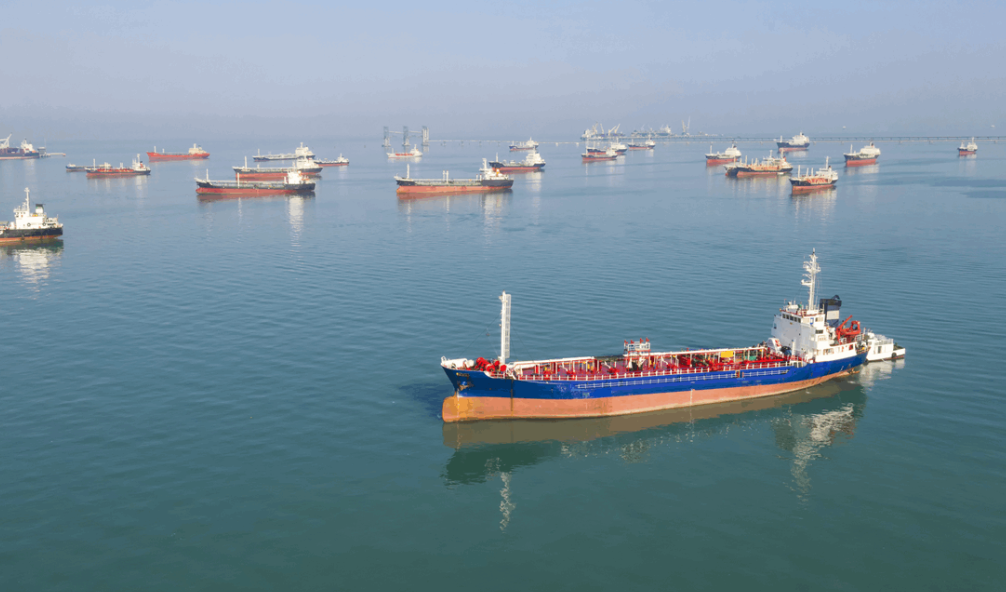
As reports confirmed that the Strait of Hormuz remains effectively blocked, oil prices reversed direction sharply. Brent crude and West Texas Intermediate both posted gains, reflecting renewed concerns over supply disruptions. A single chokepoint continues to dictate the direction of oil prices, even in a market otherwise influenced by interest rates, inflation data, and economic growth forecasts.
This volatility in oil prices demonstrates how geopolitical events can override traditional market fundamentals within hours.
Why the Strait of Hormuz Matters for Oil Prices
The Strait of Hormuz is not just another shipping route. It is arguably the most important oil artery in the world, and consequently, the most critical factor influencing global oil prices.
Around 17 to 20 million barrels of oil pass through this narrow passage daily. Countries such as Saudi Arabia, Iraq, the UAE, and Kuwait rely heavily on it to export crude to global markets. When this flow is interrupted, the effect on oil prices becomes immediate and widespread.
- Buyers begin pricing in potential shortages
- Traders react quickly to supply concerns
- Volatility in oil prices increases substantially
- Market sentiment shifts within minutes
In this context, the recent rebound in oil prices reflects a simple reality: supply risk has not disappeared. The blockade continues to pose a fundamental threat to the stability of oil prices globally.
Market Sentiment Remains Fragile Around Oil Prices
Despite the rebound, sentiment around oil prices remains highly fragile and susceptible to rapid shifts. According to Business Times, market participants are divided between optimism and caution.
On one hand, there is cautious optimism tied to diplomatic efforts and ceasefire talks. On the other, the physical disruption of oil shipments continues to dominate market thinking and influence oil prices upward.
Oil prices rise when supply concerns take center stage. They fall when geopolitical tensions appear to ease. The result is a market that moves sharply in both directions within short periods.
Analysts from major financial institutions have noted that oil prices could remain elevated if the blockage persists. At the same time, any confirmed reopening of the Strait could trigger another rapid decline in oil prices.
Broader Implications of Oil Prices for Global Markets
The movement in oil prices does not exist in isolation. It feeds directly into broader financial markets and influences multiple asset classes and economic sectors.
Higher oil prices can increase inflationary pressure, particularly in energy-importing countries. This, in turn, may influence central bank decisions on interest rates and monetary policy. The ripple effect of oil prices extends far beyond the energy sector.
Oil-exporting nations often see their currencies strengthen when oil prices rise, while import-dependent economies may experience the opposite effect. In short, oil prices act as both a signal and a driver of global economic conditions.
What Traders and Investors Are Watching Regarding Oil Prices
Attention now turns to two key factors that will determine the trajectory of oil prices in the coming weeks.
First, the status of the Strait of Hormuz is paramount. Any signs of reopening would likely ease supply concerns and put downward pressure on oil prices. Second, geopolitical developments in the Middle East remain critical to oil prices stability. Diplomatic progress could stabilise oil prices, but further escalation would likely push them higher.
There is also a technical element at play. After such a sharp drop and rebound, oil prices are entering a phase where positioning and sentiment can amplify movements. For now, uncertainty remains the dominant theme affecting oil prices.
Oil Prices Today: A Market Defined by Uncertainty
Oil prices today are being shaped less by traditional supply-demand balances and more by geopolitical risk. That shift is significant and represents a fundamental change in market dynamics.
Even as global demand patterns stabilise, disruptions like the current Hormuz blockage remind markets how fragile supply chains can be. The speed at which oil prices fell and then rebounded underscores this vulnerability. According to Business Times analysis, traders are not just reacting to data, but to uncertainty itself.
Traders are reacting to uncertainty about future oil prices more than to concrete economic data. And until there is clarity on the situation in the Strait of Hormuz, oil prices are likely to remain volatile, sensitive, and headline-driven.
The coming days will be critical in determining whether oil prices stabilise or continue their unpredictable swings based on geopolitical developments and shipping corridor status.
