

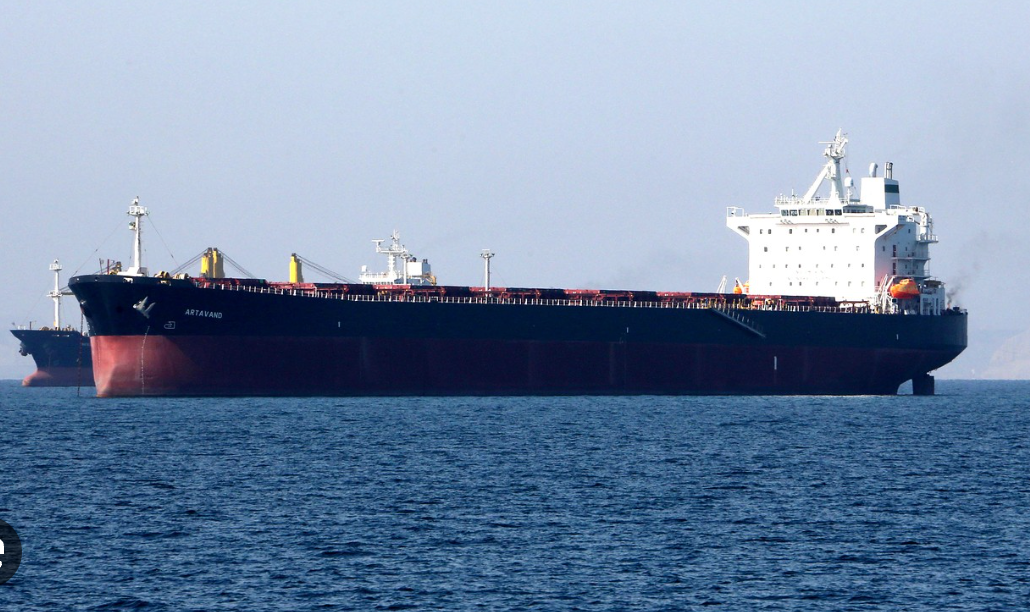
 Iraq Halt Drives Oil Prices Higher
Global oil prices moved higher on 12 March 2026 after Iraq reportedly halted operations at several important oil export ports. The development triggered renewed concerns about supply stability in the global energy market.
According to Bloomberg, both Brent crude and West Texas Intermediate (WTI) climbed as traders reacted to the possibility of reduced exports from Iraq. The country is one of the largest oil producers within OPEC, and its export infrastructure plays a crucial role in supplying crude to international markets.
Energy markets tend to react quickly to disruptions in major producing regions. When uncertainty appears around shipping routes or export terminals, oil prices often adjust rapidly as traders factor in potential supply risks.
Iraq's Oil Port Shutdown Raises Supply Concerns
Iraq exports a large share of its crude through southern ports connected to the Persian Gulf. These terminals handle millions of barrels every day, and their smooth operation is critical to keeping oil prices stable in international markets.
When operations slow or stop at these facilities, markets immediately begin evaluating how global supply may be affected. That is precisely what happened after the latest reports surfaced regarding the Iraqi port shutdown.
Energy analysts noted that the halt could disrupt shipments temporarily, though the full duration of the shutdown remains uncertain. According to Yahoo Finance, even a short pause in exports from Iraq can tighten supply conditions and push oil prices higher across global exchanges.
A disruption lasting only a few days can influence oil prices across global exchanges, reflecting how interconnected the modern energy market has become.
Supply changes in one region can quickly affect pricing worldwide. This is why markets monitor Iraqi port activity with such close attention, as any sign of disruption sends immediate signals through the oil prices benchmark system.
Growing Regional Tensions Add Risk Premium to Oil Prices
Beyond the operational shutdown in Iraq, broader geopolitical developments have also supported the rise in oil prices. Tensions in the Middle East have intensified in recent weeks, particularly involving Iran and regional security concerns.
The Middle East remains one of the most important oil-producing regions on the planet. A large share of global crude exports travels through strategic shipping routes, including:
- The Strait of Hormuz, a critical chokepoint for energy transit
- The Suez Canal corridor, linking Gulf producers to European markets
- Southern Iraqi port terminals along the Persian Gulf coast
Because of this, markets often react strongly to geopolitical developments in the region. Traders begin pricing in a risk premium when the stability of energy infrastructure appears uncertain, which directly affects oil prices across all major benchmarks.
Markets frequently respond to expectations rather than confirmed disruptions. Strong rhetoric, military activity, or political statements can all influence oil prices long before physical supply is affected. This pattern has been visible many times in the past.
Financial Markets Respond to Rising Oil Prices
The increase in oil prices also created ripple effects across financial markets. Energy-related stocks experienced noticeable volatility, particularly companies involved in oil production and transportation logistics.
Higher crude prices often support the profitability outlook for oil producers. According to Bloomberg, investors pay close attention to shifts in the commodity market whenever oil prices move sharply in either direction.
Currency markets showed movement as well. Nations that export large quantities of oil sometimes benefit when oil prices rise because higher export revenues strengthen their economic outlook. The following currencies are commonly affected:
- The Canadian dollar, which holds a historically strong correlation with crude benchmarks
- The Norwegian krone, tied closely to North Sea oil export revenues
- The Russian ruble, historically sensitive to shifts in global energy pricing
- Gulf state currencies pegged to the US dollar but supported by petrodollar flows
At the same time, rising energy costs can influence inflation expectations. Oil prices are deeply connected to transportation, logistics, and manufacturing costs worldwide. This connection explains why central banks carefully monitor movements in the energy market. Sustained increases in oil prices can contribute to broader price pressures across multiple sectors of the economy.
What Energy Traders Are Watching Next
Looking ahead, the direction of oil prices will depend on several key developments unfolding across the energy landscape.
First, markets will watch how quickly Iraq resumes full operations at its export ports. A rapid restart could ease supply concerns and help stabilize oil prices in the near term.
Second, geopolitical developments across the Middle East remain a major variable. Further escalation could keep risk premiums embedded in oil prices for an extended period, even if physical supply remains unaffected.
Global demand trends will also play a critical role. Economic growth in major economies such as China, the United States, and Europe continues to shape long-term energy consumption patterns and, by extension, the trajectory of oil prices.
Any decision by OPEC to adjust output levels could also influence how the supply-demand balance evolves during the coming months, with direct consequences for oil prices globally.
For now, the latest developments highlight how sensitive the oil market remains to geopolitical events and infrastructure disruptions. Even localized issues can ripple through the entire global energy system and move oil prices significantly within a short timeframe.
Energy traders, policymakers, and investors will continue monitoring developments closely. In the current environment, oil prices remain tightly linked to both geopolitical signals and physical supply dynamics, making vigilance essential for all market participants.
