

시장 분석
Oil Prices Edge Lower as Venezuela Supply Hopes Offset Hormuz Risks
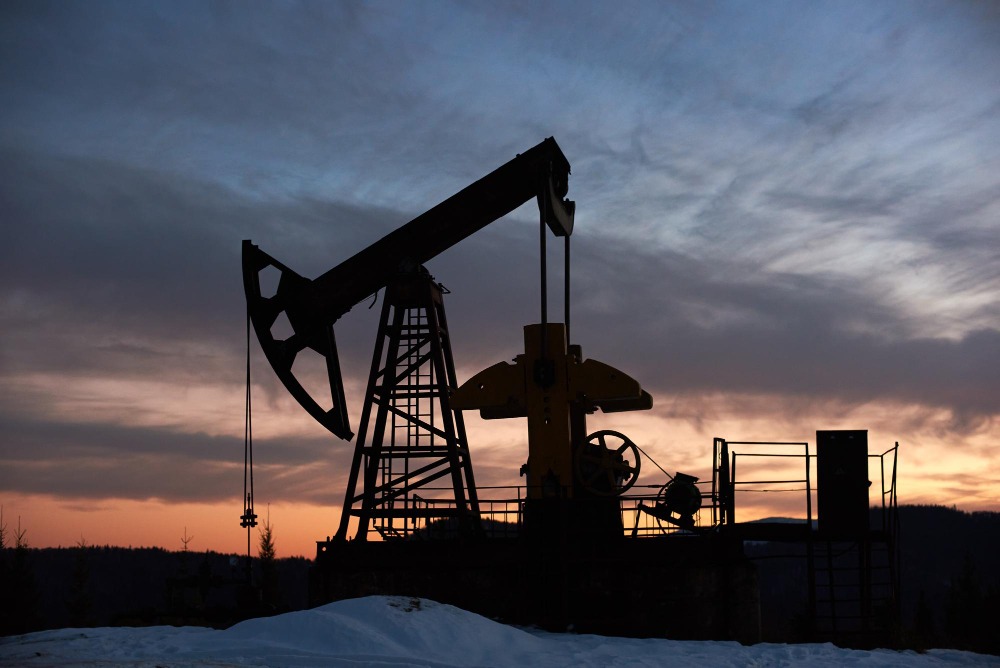 Oil Prices Edge Lower as Venezuela Supply Hopes Offset Hormuz Risks
Oil prices edged lower on Friday as markets weighed the possibility of additional Venezuelan crude supply against continued uncertainty surrounding the Strait of Hormuz. Brent crude futures fell around 0.3% to $89.45 a barrel, while West Texas Intermediate (WTI) crude declined about 0.2% to $83.39. Both benchmarks remained on track for weekly losses of roughly 4% to 5.5%, despite a rebound during the previous session.
The latest weakness reflects a market caught between two opposing forces. On one side, reports that the United States is nearing a deal for long-term access to Venezuelan oil reserves have raised expectations of additional supply. On the other, uncertainty over the reopening of the Strait of Hormuz continues to support a geopolitical risk premium in crude prices.
Venezuela Emerges as a Potential Source of Additional Supply
The most significant development for oil markets is the potential expansion of Venezuelan crude production.
Reports indicate that the US administration is working toward an agreement that could provide long-term access to a group of Venezuelan oilfields for development by American companies. Reuters reported that 17 fields are under discussion, including assets in the Orinoco Belt and Lake Maracaibo. Any resulting supply would be intended to provide guaranteed crude to the United States.
However, investors should distinguish between potential future production and immediate supply.
Venezuela's oil infrastructure has suffered from years of underinvestment and operational difficulties. Even if an agreement is finalized, developing fields and increasing output would require significant capital expenditure and time.
This means the market impact is likely to be more significant for medium- to long-term supply expectations than for immediate physical balances.
Venezuela's Potential OPEC Exit Adds Another Layer
Venezuela is also reportedly considering leaving OPEC as its relationship with Washington strengthens. Such a move would represent another important development for the global oil market because Venezuela is one of the world's largest holders of crude reserves.
An OPEC exit could potentially give Venezuela greater flexibility over production decisions, particularly if the country prioritizes attracting foreign investment and rebuilding its oil industry.
For the wider market, however, the key question is whether increased Venezuelan production would be large enough to materially offset supply disruptions elsewhere.
Strait of Hormuz Remains the Bigger Near-Term Risk
While Venezuela offers a potential source of additional supply, the Strait of Hormuz remains the dominant near-term uncertainty for crude markets.
Before the conflict, the waterway handled approximately one-fifth of global oil supplies. Traffic has remained significantly below normal levels amid security concerns, despite efforts to restore maritime movement. Reuters reported that shipping activity has been estimated at only around 5% to 15% of normal volumes.
Diplomatic efforts have recently placed greater emphasis on reopening the waterway. Iran has agreed to prepare conditions for restoring normal traffic, while Qatar and Pakistan have been involved in efforts to facilitate negotiations. Iran and Oman are also discussing a designated shipping corridor through the strait.
If a credible agreement allows shipping activity to normalize, the resulting improvement in supply security could place further downward pressure on oil prices.
However, negotiations remain fragile, and significant differences between Tehran and Washington remain unresolved.
The Oil Market Is Balancing Two Opposing Forces
The current market environment can therefore be viewed as a balance between potential supply growth and geopolitical supply risk.
Potentially higher Venezuelan production could increase global availability over time, while a successful reopening of the Strait of Hormuz could remove a major logistical constraint on international energy flows.
At the same time, any renewed military escalation or failure of diplomatic efforts could quickly restore the risk premium currently embedded in crude prices.
This creates a particularly sensitive environment for oil traders because headlines can alter expectations well before physical supply changes actually occur.
Demand Concerns Could Limit the Upside
Supply is not the only factor influencing the outlook.
The International Energy Agency's August Oil Market Report projected global oil demand to decline by 1.6 million barrels per day in 2026, citing the ongoing disruption around the Strait of Hormuz and elevated fuel prices as factors weighing on consumption. Global oil supply was projected to decline by 4.3 million barrels per day on average this year before rebounding by 8.3 million barrels per day in 2027.
These forecasts highlight an important tension in the market.
Even if geopolitical risks remain elevated, weaker demand can limit how far crude prices rise. Conversely, any improvement in supply conditions could accelerate price declines if consumption remains subdued.
What Investors Should Watch Next
Several developments could determine the next major move in crude oil prices:
- Progress on the US-Venezuela oil agreement: A finalized agreement could improve expectations for future Venezuelan production, although actual output growth would likely take time.
- Developments surrounding the Strait of Hormuz: Evidence of sustained reopening and rising shipping activity could reduce the geopolitical premium in oil prices.
- US-Iran diplomatic developments: Any progress toward a broader agreement could improve supply expectations, while renewed tensions could quickly push prices higher.
- OPEC and global production policy: Changes in production strategy could influence whether additional Venezuelan output translates into a meaningful increase in global supply.
- Global oil demand: Signs of weaker economic activity or continued high energy costs could further constrain consumption and limit upward price pressure.
A Market Driven by Supply Expectations
The recent decline in oil prices demonstrates how quickly crude markets can respond to changes in expectations.
Venezuela's potential return as a more significant oil producer could eventually provide additional supply to international markets. At the same time, progress toward reopening the Strait of Hormuz could remove one of the most significant logistical risks facing global energy markets.
For now, neither development is guaranteed.
The oil market therefore remains highly sensitive to geopolitical headlines, diplomatic negotiations, production expectations, and demand trends. If Venezuela's oil industry receives substantial investment while Hormuz shipping gradually normalizes, crude prices could face additional downward pressure.
However, any renewed disruption to the Strait or deterioration in US-Iran relations could quickly reverse that trend.
For investors, the key takeaway is that the direction of oil prices will increasingly depend on whether improvements in supply expectations can outweigh persistent geopolitical risks.
DISCLAIMER: Derivative products carry high risk and may result in the loss of your entire invested capital. Before trading, ensure you fully understand the legal framework, product characteristics, and your broker’s trading rules. Always trade responsibly and with caution.
RISK WARNING: Margin trading with leverage is not suitable for all investors due to its high risk. THERE ARE NO GUARANTEED RETURNS in trading. Beware of any claims promising assured profits. Only use capital you can afford to lose. Before engaging in any transaction, ensure you understand the risks and assess both your experience and risk tolerance.
