

 El Niño Threatens to Fuel Inflation Across Emerging Markets
A powerful El Niño weather pattern is raising fresh concerns among economists and investors as the phenomenon threatens to push inflation higher across emerging markets. While financial markets often focus on interest rates and geopolitical developments, weather events can also shape economic outcomes in significant ways. This time, El Niño has emerged as another factor that could influence food prices, central bank policies and investor sentiment over the coming months.
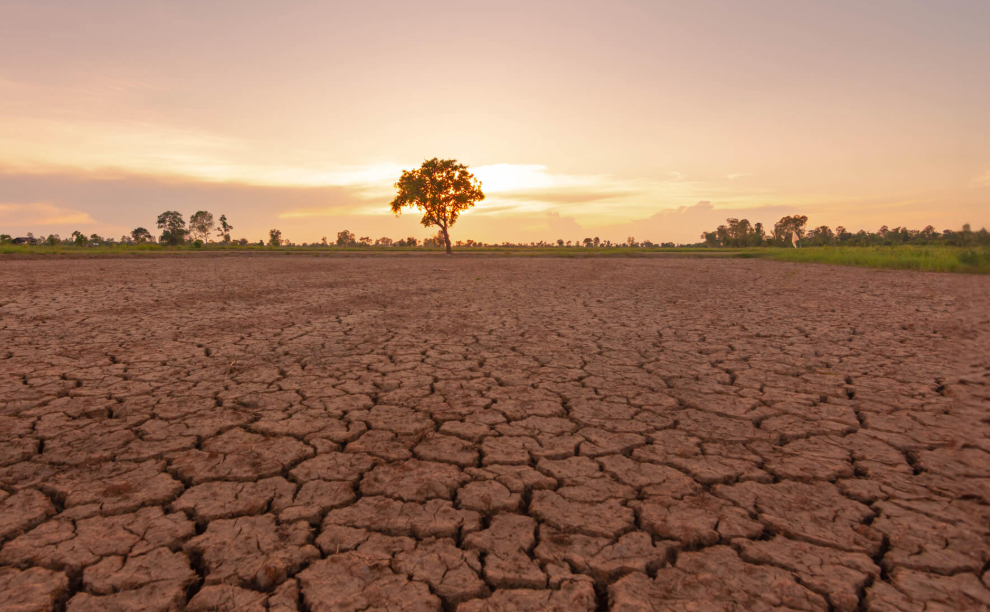
According to Reuters, meteorologists expect El Niño conditions to strengthen during the second half of the year. Historically, strong El Niño events have disrupted rainfall patterns, triggered droughts in some regions and caused flooding in others. These weather disruptions frequently affect agricultural production, reducing crop yields and placing upward pressure on food prices.
For many emerging economies, food accounts for a much larger share of household spending than it does in developed countries. As a result, even modest increases in agricultural prices can quickly translate into higher inflation and slower economic growth.
Why El Niño Matters to Financial Markets
The economic impact of El Niño extends well beyond agriculture.
Weather-related disruptions can affect the production of rice, corn, wheat, sugar, coffee, cocoa and vegetable oils. Lower harvests often reduce supply while demand remains relatively stable, creating conditions for higher commodity prices.
Interestingly, these price movements can ripple through the wider economy. Food manufacturers, retailers and transportation companies may all face higher operating costs, eventually passing some of those increases on to consumers.
Let that sink in. A change in Pacific Ocean temperatures can ultimately influence supermarket prices, inflation figures and even central bank decisions thousands of kilometres away.
That is why investors closely monitor climate developments alongside traditional economic indicators.
Emerging Markets Face Greater Inflation Risks
The latest concerns surrounding El Niño are particularly significant for emerging markets.
Countries across Asia, Latin America and Africa generally have higher food inflation sensitivity because food represents a larger proportion of consumer spending. Agricultural sectors also play a more important role in many developing economies, making them more vulnerable to extreme weather conditions.
- Governments may face pressure to introduce food subsidies
- Consumers may cut back on discretionary spending
- Agricultural export revenues may decline in affected regions
This combination may slow economic activity while inflation remains elevated, creating a challenging policy environment for governments and central banks.
Central Banks May Face Difficult Decisions
One of the biggest concerns surrounding El Niño is its potential effect on monetary policy.
Many central banks have spent the past two years attempting to bring inflation under control through higher interest rates. A renewed increase in food prices could complicate those efforts, particularly if headline inflation begins rising again.
Although policymakers often look beyond temporary food price fluctuations, prolonged weather-related disruptions may eventually influence inflation expectations.
Should inflation remain above target for longer, some central banks could delay interest-rate cuts or maintain tighter monetary policies than previously anticipated. That possibility is already attracting attention among investors seeking clues about future policy decisions across emerging economies.
Commodity Markets Could See Increased Volatility
Agricultural commodity markets have historically responded quickly to significant El Niño events.
Coffee and cocoa producers may experience lower output if prolonged drought affects growing regions. Rice and corn production could also face challenges depending on rainfall patterns across Asia and the Americas.
- Reduced crop yields in drought-affected regions
- Higher feed costs for livestock producers
- Increased price volatility across agricultural futures markets
However, weather forecasts continue to evolve. Actual market outcomes will ultimately depend on the strength, duration and geographical impact of the developing El Niño conditions.
Investors Are Watching More Than Just Weather
Climate events are increasingly becoming part of mainstream investment analysis.
Institutional investors now assess weather risks alongside geopolitical developments, supply chain disruptions and monetary policy. Extreme weather events can affect corporate earnings, commodity prices, insurance costs and economic growth simultaneously.
The latest El Niño forecasts therefore represent more than a meteorological update. They provide another variable that could shape market performance over the coming quarters.
Investors are expected to monitor agricultural production reports, food price indices and inflation data closely as the weather pattern develops, according to Bloomberg.
The Bigger Economic Picture
The renewed focus on El Niño highlights how interconnected the global economy has become.
Weather patterns occurring thousands of kilometres from major financial centres can influence inflation, commodity prices and monetary policy decisions across multiple regions. While the full economic impact remains uncertain, history suggests that strong El Niño events deserve careful attention from policymakers, businesses and investors alike.
If forecasts prove accurate, emerging markets may once again face the difficult task of balancing economic growth with rising inflation. For financial markets, the months ahead could demonstrate that climate remains one of the most influential variables shaping the global economic outlook.
