

시장 분석
Brent Oil Price Surges Above $90 as US-Iran Conflict Disrupts Global Supply
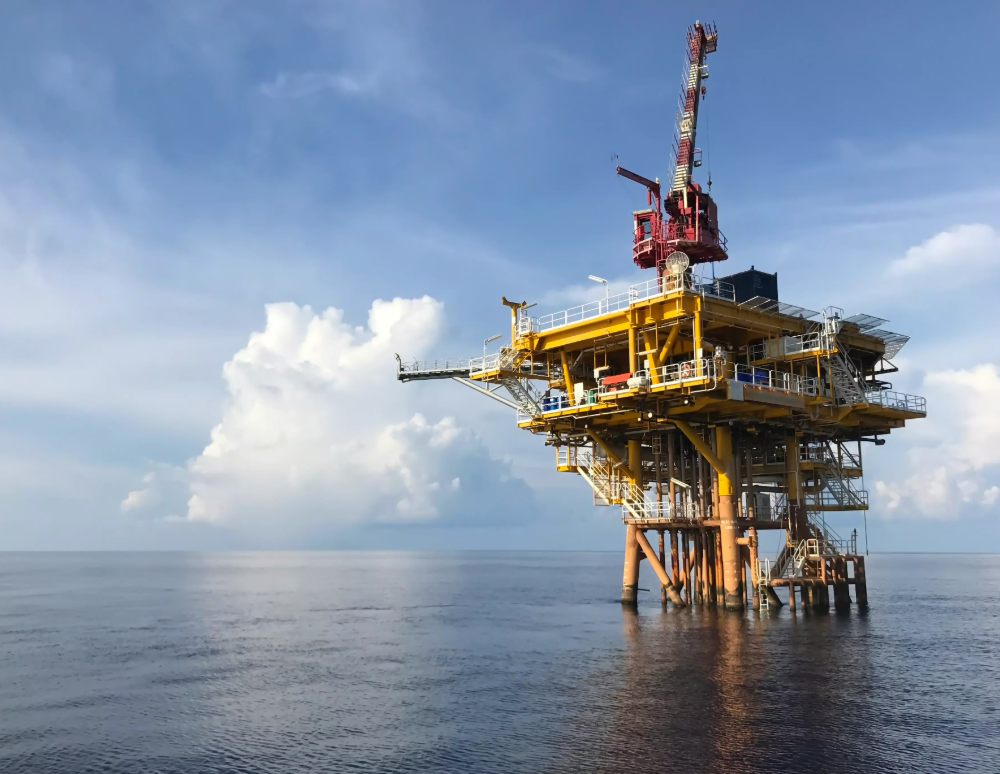 Brent Oil Price Surges Above $90 Amid Iran Tensions
The Brent oil price climbed above $90 per barrel on 20 July 2026, reaching its highest level in more than a month as military tensions between the United States and Iran intensified across the Middle East. The rally follows several days of escalating attacks that have disrupted shipping through the Strait of Hormuz, one of the world's most important energy corridors. (According to )
For global financial markets, this development extends well beyond the energy sector. Higher oil prices often influence inflation expectations, central bank policy, corporate earnings, and investor sentiment. With geopolitical risks showing few signs of easing, the latest jump in the Brent oil price has become one of the market's most closely watched developments.
Why the Brent Oil Price Is Rising
The immediate catalyst behind the surge is the renewed military confrontation between the United States and Iran. Over the weekend, both sides expanded attacks across the region, increasing concerns that energy exports could face prolonged disruptions.
Shipping activity through the Strait of Hormuz has already slowed noticeably. The narrow waterway normally handles around one-fifth of global oil shipments, making it one of the most strategically significant trade routes in the world. Even modest interruptions can tighten global supply and quickly lift the Brent oil price.
Brent crude futures gained roughly 3%, trading around $90.79 per barrel, while West Texas Intermediate (WTI) climbed to approximately $84.68. Both benchmarks also recorded their strongest weekly gains in several months. Interestingly, the latest rally is being driven less by current supply shortages and more by fears about what could happen next. Energy markets often react rapidly when the possibility of future disruptions increases.
Strait of Hormuz Remains the Critical Focus
Much of the market's attention remains fixed on the Strait of Hormuz.
Recent reports indicate that fewer vessels successfully passed through the waterway over the weekend compared with normal traffic levels. At the same time, both Washington and Tehran have imposed measures affecting maritime activity, creating additional uncertainty for shipping companies and oil traders.
If oil cargoes cannot move efficiently through the region, global supply could tighten further. That possibility alone has been enough to push the Brent oil price above the psychologically important $90 threshold.
What Higher Oil Prices Mean for Financial Markets
A rising Brent oil price affects far more than fuel costs.
Energy represents a significant input for transportation, manufacturing, aviation, agriculture, and logistics. As oil becomes more expensive, businesses often face higher operating costs, which can eventually feed into broader consumer inflation.
That presents a fresh challenge for central banks. After recent signs that inflation pressures were easing, higher oil prices could complicate the outlook for monetary policy. Investors have already begun reassessing expectations for future interest rate decisions as energy costs move higher.
Equity markets have also become more cautious. Higher energy prices can pressure consumer spending while increasing costs for many industries. Airline companies, transportation firms, and manufacturers often face the greatest headwinds during periods of elevated oil prices. Energy producers, however, may benefit from stronger crude prices if current levels are sustained.
Could the Brent Oil Price Continue Rising?
That remains the key question.
If tensions continue escalating and shipping disruptions become more severe, analysts believe the Brent oil price could remain above $90 or even move higher in the coming weeks.
However, several variables could change the outlook:
- Diplomatic negotiations could reduce geopolitical tensions.
- Strategic petroleum reserves may be released if governments decide to stabilise markets.
- OPEC+ producers could also adjust output if supply concerns become more pronounced.
Market participants will therefore continue monitoring developments in the Middle East alongside official comments from governments, military authorities, and major oil producers. The next few trading sessions may prove particularly important in determining whether this latest rally becomes a sustained trend or simply another short-term geopolitical spike.
Inflation Risks Return to the Spotlight
The timing of the latest Brent oil price rally is particularly notable.
Global investors had recently become more optimistic that inflation was gradually moving under control. Rising energy prices could reverse part of that progress if they remain elevated over an extended period.
Higher fuel costs typically affect several areas of the economy, including:
- Transportation expenses
- Electricity generation in some regions
- Industrial production
- Consumer goods pricing
While these effects are rarely immediate, they often build over time. For policymakers, this creates a delicate balancing act. Economic growth remains uneven across many major economies, yet persistent inflation could limit the flexibility of central banks to reduce interest rates.
Let that sink in. A single geopolitical event thousands of kilometres away can influence borrowing costs, investment decisions, and consumer prices across the global economy.
Market Outlook
The Brent oil price has once again demonstrated how quickly geopolitical events can reshape financial markets.
Although global oil supply has not yet experienced a major interruption, investors are increasingly pricing in the possibility of tighter availability if the conflict expands further. The Strait of Hormuz remains the central focus because of its critical role in global energy transportation, and any prolonged disruption could continue supporting higher crude prices.
For now, traders are likely to remain highly sensitive to every new headline emerging from the Middle East. Until there is greater clarity on the conflict, volatility across oil, currencies, equities, and broader financial markets is expected to remain elevated.
DISCLAIMER: Derivative products carry high risk and may result in the loss of your entire invested capital. Before trading, ensure you fully understand the legal framework, product characteristics, and your broker’s trading rules. Always trade responsibly and with caution.
RISK WARNING: Margin trading with leverage is not suitable for all investors due to its high risk. THERE ARE NO GUARANTEED RETURNS in trading. Beware of any claims promising assured profits. Only use capital you can afford to lose. Before engaging in any transaction, ensure you understand the risks and assess both your experience and risk tolerance.
