

시장 분석
US Dollar Heads for Weekly Loss as Rate Hike Expectations Ease
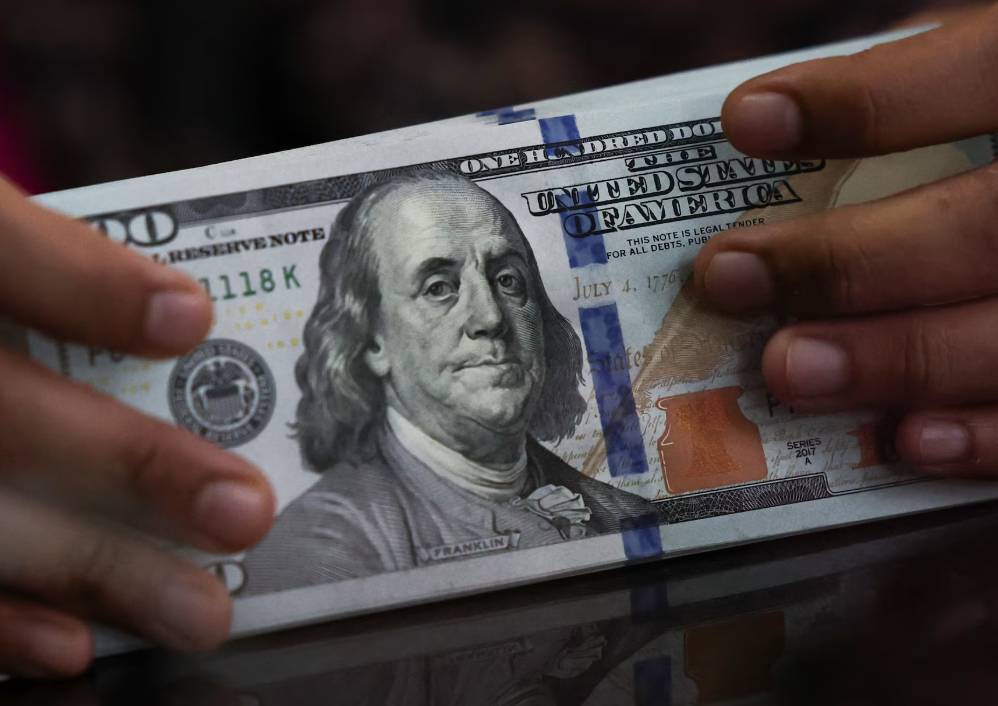 US Dollar Slips as Fed Rate Hike Bets Fade
The US dollar is on course to record its first weekly decline in several weeks as investors reassess expectations for additional Federal Reserve interest rate hikes. Although recent US economic data has remained relatively resilient, financial markets are increasingly convinced that policymakers may adopt a more measured approach during the remainder of 2026.
The shift in expectations has weakened demand for the US dollar, allowing several major currencies to recover after weeks of sustained pressure. Currency traders are also weighing stronger performances from overseas economies alongside improving investor confidence, resulting in a more balanced outlook across global foreign exchange markets.
Interestingly, this adjustment comes despite encouraging economic indicators from the United States. That alone suggests markets are paying closer attention to future policy signals rather than backward-looking data.
US Dollar Loses Momentum
The US dollar slipped against a basket of major currencies during Friday's trading session, placing the US Dollar Index (DXY) on track for a weekly loss. While the decline has been relatively modest, it represents a notable shift after the currency's recent strength.
Market participants have gradually reduced expectations that the Federal Reserve will continue raising interest rates aggressively over the coming months. Instead, traders are increasingly pricing in a scenario where policymakers maintain current rates for longer before considering additional action.
According to Reuters, currency markets reacted as investors adjusted their outlook for US monetary policy while monitoring developments in global equity markets and bond yields. Strong corporate earnings and mixed economic signals have encouraged a more cautious approach toward the US dollar.
Why Rate Hike Expectations Matter
Interest rate expectations remain one of the biggest drivers of the US dollar.
When investors believe the Federal Reserve will continue raising interest rates, US Treasury yields often move higher. That tends to attract overseas capital seeking better returns, increasing demand for the US dollar.
However, when expectations for future rate hikes begin to fade, that advantage becomes less pronounced. As a result, investors often shift some capital into other currencies, reducing demand for the US dollar in the process.
Let that sink in: the Federal Reserve does not actually need to change interest rates for the currency market to react. Expectations alone can move exchange rates long before policymakers make an official decision.
Economic Data Paints a Mixed Picture
Recent US economic reports have delivered mixed signals.
- Retail sales exceeded expectations, suggesting consumer spending remains resilient despite elevated borrowing costs.
- Weekly jobless claims remained relatively low, pointing to continued strength in the labour market.
- Inflation has continued to moderate compared with last year's peak.
Normally, those indicators would support a stronger US dollar because they reinforce confidence in the broader economy. Yet financial markets appear focused on inflation trends and future monetary policy rather than current economic momentum.
Several Federal Reserve officials have recently indicated that policy decisions will remain data dependent. Investors therefore continue to analyse each economic release for clues about the next interest rate decision. That development has encouraged traders to scale back expectations for additional rate hikes before the end of 2026.
Global Currencies Find Support
The softer US dollar has allowed several major currencies to strengthen.
- The euro remained firm as investors responded to improving economic conditions across parts of the eurozone.
- The Japanese yen stabilised after experiencing considerable volatility during recent months.
- The Australian dollar and New Zealand dollar posted modest gains as risk appetite improved across global financial markets.
Currency markets rarely move in isolation. Developments in equities, bond yields, commodity prices and central bank policy all contribute to daily fluctuations. This interconnected relationship explains why traders continue monitoring multiple asset classes before making decisions on the direction of the US dollar.
Bond Yields Remain an Important Signal
Another key factor influencing the US dollar is the US Treasury market.
Treasury yields eased slightly during the week as investors reduced expectations for further tightening by the Federal Reserve. Lower yields generally reduce the appeal of holding US assets relative to investments elsewhere. Consequently, demand for the US dollar also softened.
Analysts note that bond yields and currency markets often move together because both reflect changing expectations for future monetary policy. While daily fluctuations can be volatile, broader trends usually emerge as investors gain greater confidence in the economic outlook.
Markets Continue Watching the Federal Reserve
Attention is now turning toward upcoming inflation reports, employment data and comments from Federal Reserve officials.
These developments will likely determine whether the recent weakness in the US dollar proves temporary or develops into a more sustained trend. Market pricing currently suggests investors expect only limited changes to interest rates over the coming months. Nevertheless, that outlook remains highly dependent on incoming economic data.
Should inflation unexpectedly accelerate again, expectations could quickly shift back toward additional tightening. Conversely, further signs of easing price pressures may reinforce the current outlook for a softer US dollar.
A Delicate Balance for Currency Markets
The latest movements illustrate how quickly sentiment can change in the foreign exchange market.
Economic growth in the United States remains relatively solid, while inflation continues to move gradually toward the Federal Reserve's target. Even so, investors appear increasingly comfortable with the idea that the central bank may not need to raise interest rates as aggressively as previously expected.
For currency traders, the coming weeks will be particularly important. Every major economic release has the potential to reshape expectations surrounding monetary policy, Treasury yields and the direction of the US dollar. Until greater clarity emerges, foreign exchange markets are likely to remain sensitive to even modest changes in economic data and central bank communication.
DISCLAIMER: Derivative products carry high risk and may result in the loss of your entire invested capital. Before trading, ensure you fully understand the legal framework, product characteristics, and your broker’s trading rules. Always trade responsibly and with caution.
RISK WARNING: Margin trading with leverage is not suitable for all investors due to its high risk. THERE ARE NO GUARANTEED RETURNS in trading. Beware of any claims promising assured profits. Only use capital you can afford to lose. Before engaging in any transaction, ensure you understand the risks and assess both your experience and risk tolerance.
